Magnolia acuminata Yellow Leaves
eco Yellow Leaves

Magnolia acuminata – Yellow Leaves

Why does your Magnolia acuminata have yellow leaves? Diagnose the cause and fix it with our step-by-step guide.

pets Pet Friendly

search Possible Causes

error

Iron Chlorosis (Nutrient Deficiency)

In high pH or alkaline soils, Magnolia acuminata cannot effectively uptake iron, leading to interveinal chlorosis where veins remain green while leaf tissue turns yellow. This is particularly common in calcareous soils where this species struggles.

Very Common
lightbulb
How to confirm: Look for a pattern where the veins of the leaves stay dark green while the spaces between them turn bright yellow.
build How to fix it
shopping_cart Recommended Products
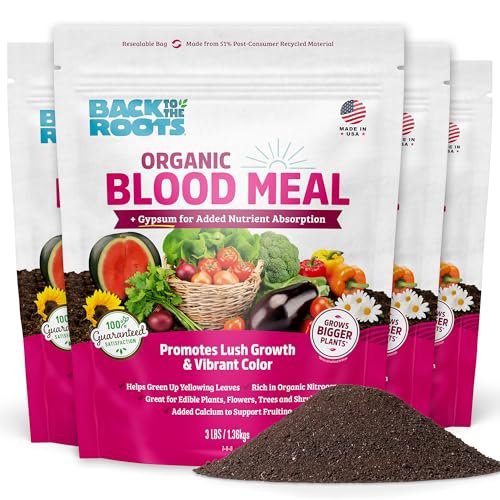
1 Apply an iron-rich supplement to the soil to correct the deficiency and help restore green chlorophyll production.
2 Monitor soil pH levels to ensure the environment remains acidic enough for iron uptake; use a tester to detect alkaline shifts.
3 Amend the soil with organic matter or acidifying amendments to lower the pH and improve nutrient availability.
error

Waterlogged Soil (Root Hypoxia)

Magnolia acuminata requires well-drained but moist soil; prolonged saturation prevents oxygen from reaching the roots, leading to leaf yellowing and eventual abscission. This often occurs in heavy clay soils that do not drain efficiently.

Very Common
lightbulb
How to confirm: Check the soil moisture several inches below the surface and feel if the substrate is muddy or has an unpleasant odor.
build How to fix it
shopping_cart Recommended Products
1 Immediately improve soil drainage by aerating the area around the root zone or adding organic matter like perlite to break up heavy clay.
2 Monitor the soil moisture levels closely to ensure the root zone is not staying saturated; use a moisture meter to prevent future overwatering.
3 If the plant is in a container, repot it into a well-draining medium using a high-porosity mix to prevent future waterlogging.
warning

Nitrogen Deficiency

A lack of available nitrogen results in a general chlorosis that starts with the older, lower leaves turning pale yellow before moving to new growth. This is common in depleted or overly leached soils.

Common
lightbulb
How to confirm: Observe if the yellowing is uniform across the entire leaf blade and begins specifically on the oldest leaves at the base of the tree.
build How to fix it
shopping_cart Recommended Products
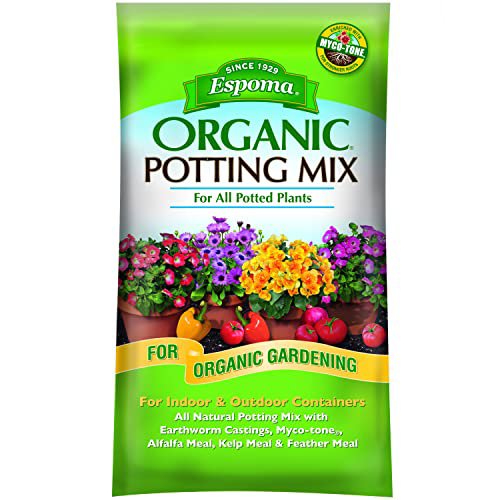
1 Apply a nitrogen-rich organic fertilizer to the soil to replenish depleted nutrients and stop the progression of chlorosis.
2 Incorporate organic matter like worm castings or compost into the soil to improve long-term nutrient availability and soil structure.
3 Monitor soil moisture levels using a moisture meter to ensure nitrogen is not being leached away by overwatering.
warning

Root Rot (Phytophthora)

Fungal pathogens like Phytophthora can attack the root system of the Cucumber Tree, especially in poorly drained areas, disrupting water and nutrient transport. This manifests as widespread yellowing and wilting of foliage.

Common
lightbulb
How to confirm: Examine the base of the trunk for any signs of dark, water-soaked lesions or decay near the soil line.
build How to fix it
shopping_cart Recommended Products
1 Improve soil drainage immediately by repotting the tree in a well-aerated medium containing perlite or horticultural grit to prevent further oxygen deprivation to the roots.
2 Apply a fungicide to combat the Phytophthora pathogen and prevent the spread of the infection through the root system.
3 Monitor soil moisture levels closely using a moisture meter to ensure the soil is not staying saturated, which facilitates fungal growth.
local_hospital All symptoms eco All plants with yellow leaves
favorite