Magnolia dawsoniana Yellow Leaves
eco Yellow Leaves

Magnolia dawsoniana – Yellow Leaves

Why does your Magnolia dawsoniana have yellow leaves? Diagnose the cause and fix it with our step-by-step guide.

pets Pet Friendly

search Possible Causes

error

Iron Chlorosis

Magnolias prefer acidic soil; if the pH is too high, the plant cannot absorb iron, leading to interveinal chlorosis where leaves turn yellow but veins remain green. This is a common physiological disorder in alkaline or lime-rich soils.

Very Common
lightbulb
How to confirm: Check if the yellowing pattern is specifically concentrated between the leaf veins while the veins stay dark green.
build How to fix it
shopping_cart Recommended Products
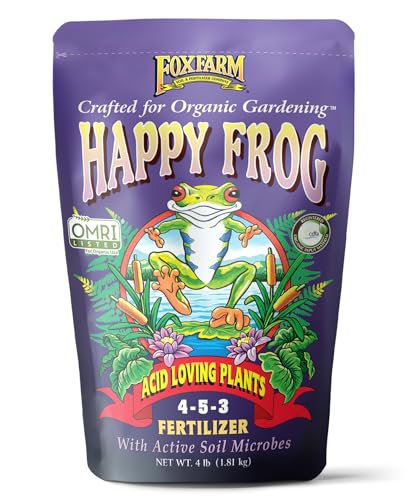
1 Apply an acidifying soil amendment to lower the soil pH, which will help the Magnolia absorb iron more effectively.
2 Supplement with a chelated iron or acid-loving fertilizer to provide immediate nutrient availability to the leaves.
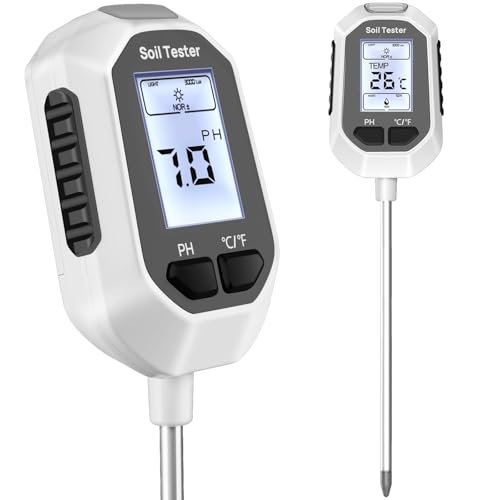
3 Monitor the soil pH levels regularly using a tester to ensure the environment remains in the acidic range preferred by Magnolias.
error

Overwatering and Root Suffocation

Dawson's Magnolia requires well-draining soil; prolonged saturation leads to anaerobic conditions that damage fine feeder roots, preventing nutrient transport. This often manifests as uniform yellowing of older leaves.

Very Common
lightbulb
How to confirm: Insert your finger deep into the soil to check if it remains saturated and feels soggy even several inches down.
build How to fix it
shopping_cart Recommended Products
1 Immediately reduce watering frequency and ensure the plant is in a container with excellent drainage to prevent further root suffocation.
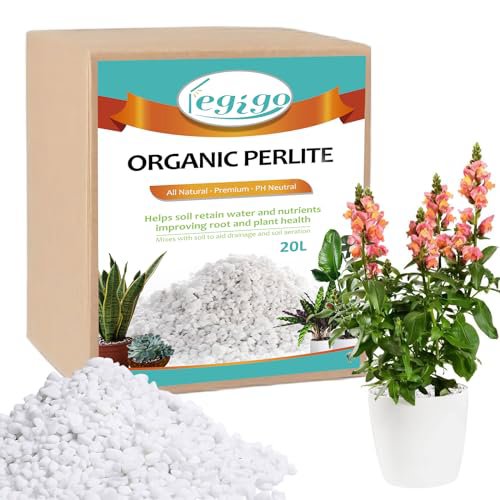
2 Repot the Magnolia into a well-draining medium, incorporating perlite or horticultural grit to improve aeration and prevent anaerobic conditions.
3 Monitor the soil moisture levels closely using a moisture meter to ensure the root zone is not staying saturated for too long.
warning

Nitrogen Deficiency

A lack of available nitrogen prevents the production of chlorophyll, causing the entire leaf blade to fade from dark green to a pale yellow. This typically starts on older, lower foliage first.

Common
lightbulb
How to confirm: Observe if the yellowing is progressing uniformly across the entire leaf surface starting from the bottom of the plant.
build How to fix it
shopping_cart Recommended Products
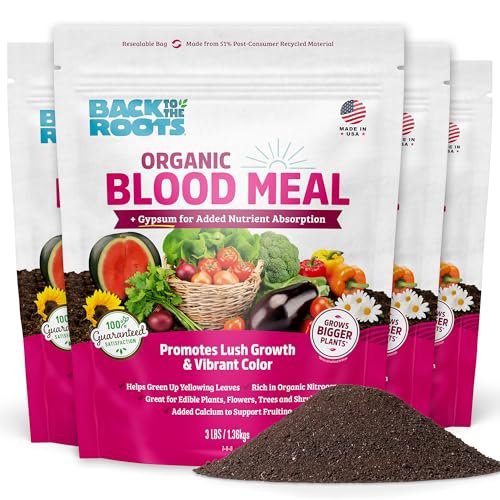
1 Apply a nitrogen-rich organic fertilizer to the soil to restore chlorophyll production and green up the foliage.
2 Supplement with a liquid seaweed fertilizer to boost nutrient uptake and support overall plant vigor.
3 Monitor soil moisture levels using a moisture meter to ensure nitrogen is being delivered effectively without causing root rot.
warning

Environmental Stress (Temperature Fluctuations)

Rapid shifts in temperature or sudden exposure to cold drafts can cause the plant to shed chlorophyll as a stress response. This is common in young Dawson's Magnolia specimens during seasonal transitions.

Common
lightbulb
How to confirm: Assess if the yellowing coincided with a recent period of extreme heat, frost, or significant changes in local weather patterns.
build How to fix it
shopping_cart Recommended Products
1 Stabilize the plant's environment by moving it away from cold drafts, air conditioning vents, or sudden temperature shifts.
2 Monitor soil moisture levels closely during temperature transitions to ensure the roots are not experiencing both cold stress and waterlogged conditions.
3 Apply a microbial-based liquid fertilizer to help the plant recover from environmental stress and support root zone strength.
local_hospital All symptoms eco All plants with yellow leaves
favorite