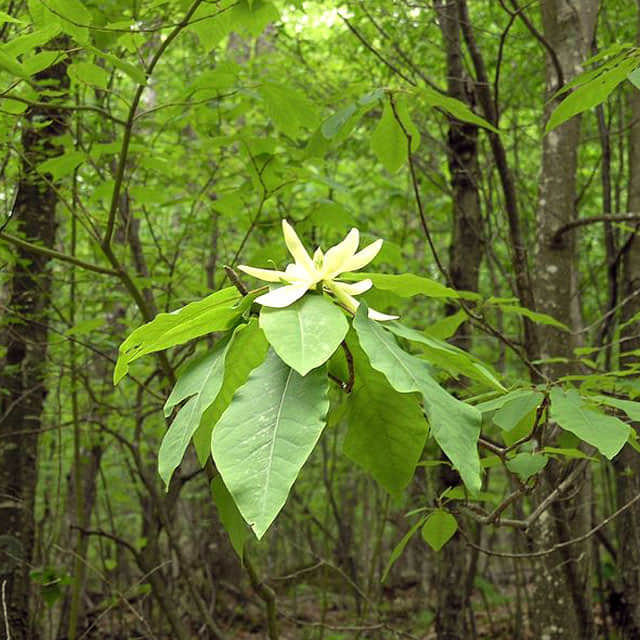
Magnolia fraseri Yellow Leaves
eco Yellow Leaves

Magnolia fraseri – Yellow Leaves

Why does your Magnolia fraseri have yellow leaves? Diagnose the cause and fix it with our step-by-step guide.

search Possible Causes

error

Iron Chlorosis

In alkaline or high-pH soils, Magnolia fraseri cannot effectively absorb iron, causing the interveinal areas of young leaves to turn yellow while veins remain green. This is common in limestone-heavy soils where this species is often planted.

Very Common
lightbulb
How to confirm: Observe if the yellowing pattern is strictly limited to the leaf tissue between prominent green veins.
build How to fix it
shopping_cart Recommended Products
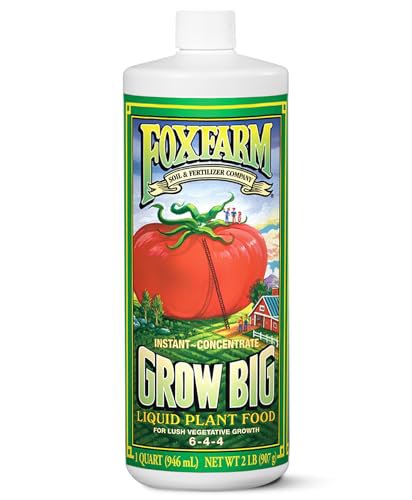
1 Apply a chelated iron supplement or acidifying fertilizer to lower the soil pH and make iron more bioavailable to the roots.
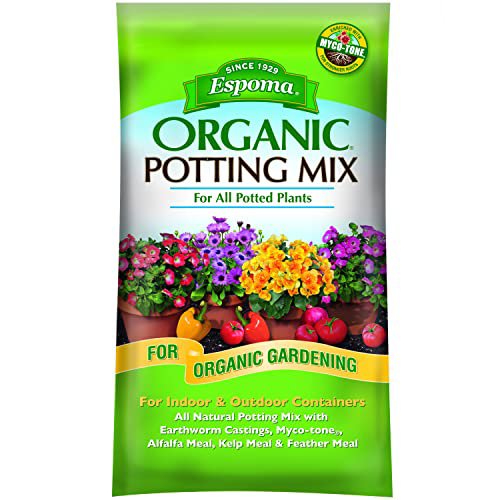
2 Amend the soil with organic matter like compost or peat moss to help buffer the pH and improve nutrient uptake.
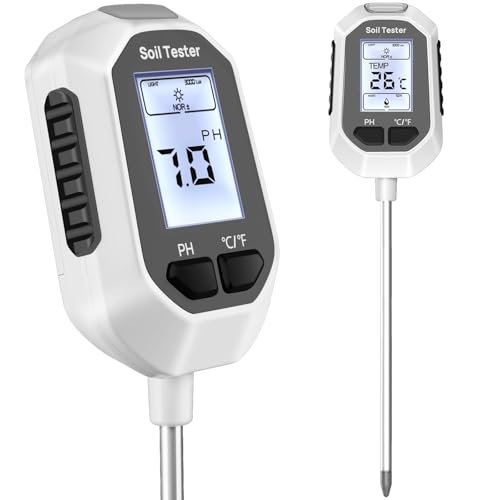
3 Monitor the soil pH regularly using a tester to ensure the environment remains in the slightly acidic range preferred by Magnolias.
error

Improper Soil Moisture (Water Stress)

Magnolias require consistent moisture but are highly susceptible to root hypoxia. Both drought stress and waterlogged soil can cause the large, heavy leaves of the Fraser Magnolia to lose chlorophyll and turn yellow.

Very Common
lightbulb
How to confirm: Insert your finger two inches into the soil to check if it is bone-dry or excessively saturated.
build How to fix it
shopping_cart Recommended Products
1 Check the soil moisture level at the root zone using a moisture meter to determine if the soil is currently bone-dry or waterlogged.
2 If the soil is waterlogged, ensure the plant is in a well-draining container or amend the soil with perlite to improve aeration and prevent root rot.
3 If the soil is too dry, implement a consistent watering schedule to maintain even moisture without allowing the soil to become saturated.
warning

Nitrogen Deficiency

A lack of available nitrogen leads to a uniform yellowing across the entire leaf surface, often starting with older, lower leaves first. This is common in leaching soils where nutrients are washed away by heavy rainfall.

Common
lightbulb
How to confirm: Check if the yellowing is uniform across the whole leaf and starting from the bottom of the tree.
build How to fix it
shopping_cart Recommended Products
1 Apply a nitrogen-rich organic fertilizer to replenish the soil nutrients and stop the yellowing of older leaves.
2 Check the soil moisture levels with a meter to ensure heavy rainfall hasn't caused nutrient leaching through overwatering.
3 Amend the existing soil with organic matter like worm castings to improve nutrient retention and prevent future leaching.
warning

Root Rot (Phytophthora)

Fungal pathogens like Phytophthora can attack the root system of Magnolia fraseri in poorly drained sites, leading to a systemic inability to transport nutrients and resulting in yellowing foliage.

Common
lightbulb
How to confirm: Check for dark, water-soaked areas on the lower stem or bark near the soil line.
build How to fix it
shopping_cart Recommended Products
1 Improve soil drainage immediately by repotting the plant in a well-aerated medium containing perlite or coarse sand to prevent further water stagnation.
2 Inspect the root system for mushy, dark brown roots and prune away any decayed sections using sterilized tools to stop the spread of the pathogen.
3 Apply a fungicide to treat the fungal infection and monitor soil moisture levels closely with a meter to ensure the roots are not sitting in saturated soil.
local_hospital All symptoms eco All plants with yellow leaves
favorite