Malus micromalus Ruby White Powder
eco White Powder

Malus micromalus Ruby – White Powder

Why does your Malus micromalus Ruby have white powder? Diagnose the cause and fix it with our step-by-step guide.

search Possible Causes

error

Powdery Mildew (Podosphaera leucotricha)

This fungal pathogen is the most common cause of white, flour-like patches on crabapple leaves and buds. It thrives in high humidity and moderate temperatures, often causing leaves to curl or distort.

Very Common
lightbulb
How to confirm: Inspect the underside of leaves and young shoots for a fuzzy, white coating that can be rubbed off with your finger.
build How to fix it
shopping_cart Recommended Products
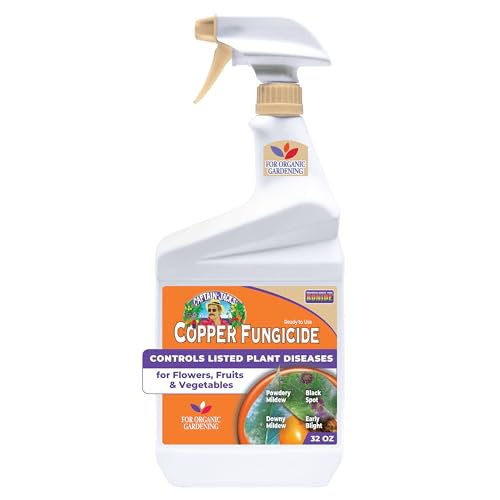
1 Apply an organic fungicide to the affected leaves and buds to eliminate the fungal spores and prevent further spread.
2 Prune and dispose of heavily infected branches and fallen leaves to reduce the fungal load in the area.
3 Improve air circulation around the plant and avoid overhead watering to decrease the humidity that promotes mildew growth.
warning

Apple Scab (Venturia inaequalis)

While typically presenting as dark olive spots, early stages or certain varieties of scab can appear as light-colored, velvety patches on the fruit and foliage. It is highly prevalent in damp spring conditions.

Common
lightbulb
How to confirm: Look for dark, corky lesions on the developing fruit alongside the white powdery appearance on leaves.
build How to fix it
shopping_cart Recommended Products
1 Apply an organic fungicide to the foliage and fruit to control the spread of the fungal pathogen.
2 Prune away and properly dispose of infected leaves and fruit, ensuring you do not compost them, to reduce the fungal inoculum.
3 Improve air circulation around the tree by thinning dense branches and avoid overhead watering to keep the foliage dry.
warning

Mealybugs

These small insects secrete a white, waxy, cotton-like substance to protect themselves. They congregate in crevices, such as leaf axils or beneath the fruit, sucking sap from the 'Ruby' crabapple.

Common
lightbulb
How to confirm: Check for tiny, slow-moving insects hidden in the leaf joints or under the fruit skin.
build How to fix it
shopping_cart Recommended Products
1 Isolate the plant and spray affected areas with an organic insecticide to eliminate the mealybug population.
2 Manually remove visible white waxy clusters using a cotton swab dipped in isopropyl alcohol.
3 Inspect the crevices of the plant regularly to ensure no new insects are developing.
warning

Spider Mite Webbing

Extreme infestations of spider mites can create a fine, silvery-white webbed appearance across the foliage. This is usually accompanied by stippling (tiny white dots) on the leaf surface.

Common
lightbulb
How to confirm: Tap a leaf over a white piece of paper to see if tiny specks fall off, indicating moving mites.
build How to fix it
shopping_cart Recommended Products
1 Apply an organic miticide or insecticide to eliminate the spider mite population and destroy any remaining eggs or larvae.
2 Prune and dispose of heavily infested or dead foliage to prevent the mites from spreading to healthy parts of the tree.
3 Increase humidity around the plant and regularly inspect the undersides of leaves to monitor for new webbing.
local_hospital All symptoms eco All plants with white powder
favorite