Malus yunnanensis White Powder
eco White Powder

Malus yunnanensis – White Powder

Why does your Malus yunnanensis have white powder? Diagnose the cause and fix it with our step-by-step guide.

search Possible Causes

error

Powdery Mildew (Podosphaera leucotricha)

This is the most common fungal pathogen affecting Malus species, characterized by a white, flour-like coating on leaves and buds. It thrives in high humidity and moderate temperatures, often causing leaf distortion in Yunnan Crabapple.

Very Common
lightbulb
How to confirm: Inspect if the white patches can be easily rubbed off with your finger and check for distorted new growth.
build How to fix it
shopping_cart Recommended Products
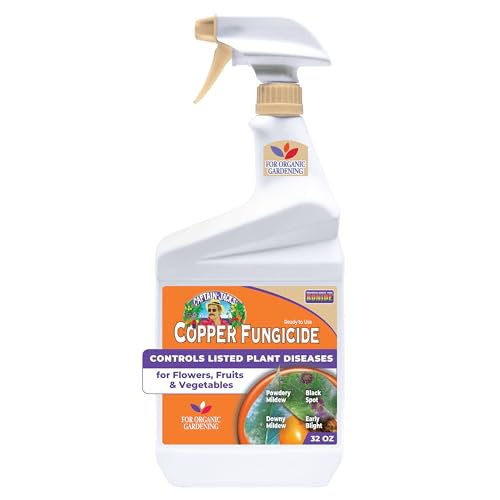
1 Apply an organic fungicide to the affected leaves and buds to eliminate the fungal spores and prevent further spread.
2 Prune and carefully dispose of heavily infected branches and fallen leaves to reduce the fungal load in the plant's environment.
3 Improve air circulation around the plant and avoid overhead watering to lower humidity levels, which discourages mildew growth.
warning

Mealybugs

These small, soft-bodied insects secrete a white, waxy, cottony substance to protect themselves. In Malus yunnanensis, they often cluster at the junctions of stems and leaf petioles.

Common
lightbulb
How to confirm: Use a magnifying glass to look for tiny, crawling insects underneath the white coating on the undersides of leaves.
build How to fix it
shopping_cart Recommended Products
1 Isolate the plant immediately to prevent the mealybugs from spreading to other greenery.
2 Apply an organic insecticide spray to the affected areas, ensuring you coat the white, cottony clusters thoroughly.
3 Use a cotton swab dipped in isopropyl alcohol to manually remove visible insect clusters from stem junctions and leaf petioles.
warning

Apple Scab (Venturia inaequalis)

While primarily known for olive-green lesions, early stages or secondary fungal growth can sometimes appear as light-colored, fuzzy patches on the leaf surface.

Common
lightbulb
How to confirm: Check if the white patches are accompanied by dark, velvety spots or 'scabby' textures on the fruit or leaves.
build How to fix it
shopping_cart Recommended Products
1 Apply an organic fungicide to the affected leaves to control the spread of fungal spores and prevent further lesions.
2 Prune and remove any heavily infected leaves or branches, ensuring you dispose of them away from your garden to prevent reinfection.
3 Improve air circulation around the plant by thinning out dense foliage, which helps leaves dry faster and discourages fungal growth.
local_hospital All symptoms eco All plants with white powder
favorite