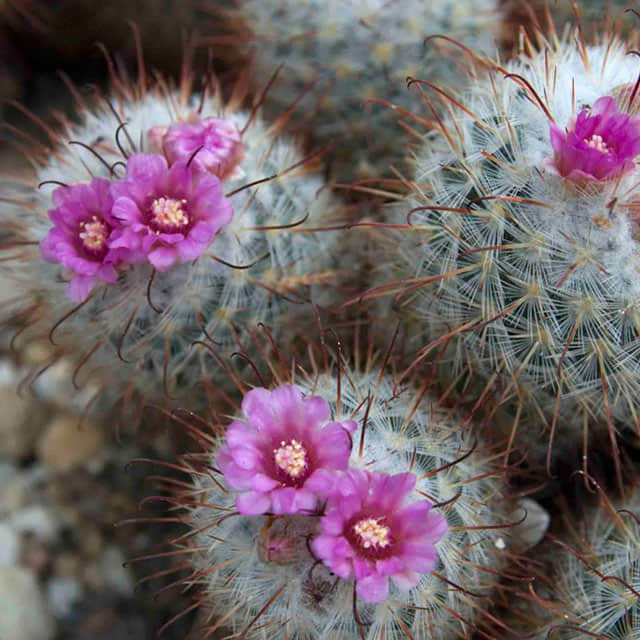
Mammillaria bombycina Fine Webbing
eco Fine Webbing

Mammillaria bombycina – Fine Webbing

Why does your Mammillaria bombycina have fine webbing? Diagnose the cause and fix it with our step-by-step guide.

search Possible Causes

error

Two-Spotted Spider Mite Infestation

These microscopic arachnids thrive in the warm, dry conditions often experienced by Mammillaria bombycina. They pierce the cactus skin to feed on cellular contents, leaving behind fine silk webbing as a protective habitat for their colonies.

Very Common
lightbulb
How to confirm: Hold a white piece of paper under the cactus and tap the plant firmly to see if tiny crawling specks fall onto the paper.
build How to fix it
shopping_cart Recommended Products
1 Immediately treat the cactus with an organic miticide to eliminate the spider mite population and destroy their eggs.
2 Gently wipe the cactus and surrounding area with a damp cloth to physically remove the silk webbing and remaining mites.
3 Increase local humidity and reduce heat to make the environment less hospitable for future mite outbreaks.
warning

Tetranychus urticae (European Red Spider Mite)

This specific mite species is highly adapted to succulents and can create dense webbing around the spines of the Cotton Cactus. The webbing often obscures the characteristic white cottony spines, making the plant look dusty or dirty.

Common
lightbulb
How to confirm: Inspect the base of the spines for small, reddish or orange dots that move very slowly.
build How to fix it
shopping_cart Recommended Products
1 Apply an organic insecticide spray to the cactus to eliminate the spider mites and destroy their eggs and webbing.
2 Gently wipe the cactus with a soft, damp cloth or brush to remove the visible webbing and dust from the spines.
3 Increase humidity around the plant and ensure better airflow to create an environment less favorable for mite reproduction.
warning

High Humidity/Fungal Mycelium

While less common for spider mites, certain fungal pathogens can produce visible thread-like structures (hyphae) that mimic fine webbing. In Mammillaria species, this is often a sign of localized rot starting near the base or within the areoles due to trapped moisture.

Common
lightbulb
How to confirm: Check if the 'webbing' feels dry and brittle versus soft/moist, and look for any dark, sunken spots on the cactus body.
build How to fix it
shopping_cart Recommended Products
1 Inspect the base and areoles of the cactus for any signs of soft, mushy tissue or dark discoloration, which indicates rot.
2 Improve airflow around the plant and reduce humidity levels to prevent further fungal growth and moisture entrapment.
3 Apply an organic fungicide to treat the visible mycelium and protect the plant from spreading pathogens.

Other Mammillaria bombycina problems

Your plant might also be experiencing one of these issues:

local_hospital All symptoms eco All plants with fine webbing
favorite

