Why does your Mammillaria elongata have sticky leaves? Diagnose the cause and fix it with our step-by-step guide.
Mealybugs are common pests for Mammillaria that secrete a sticky substance called honeydew as they feed on the cactus's sap. You may also see white, cottony masses nestled between the cylindrical stems.
Scale insects attach themselves to the skin of the Mammillaria elongata and excrete honeydew, which leads to a sticky residue on the stems. This can also cause yellowing or stunted growth in the cactus columns.
While less common on cacti than soft-bodied plants, aphids can colonize the growth points of Mammillaria and produce honeydew. This sticky residue often attracts secondary molds or sooty mold.
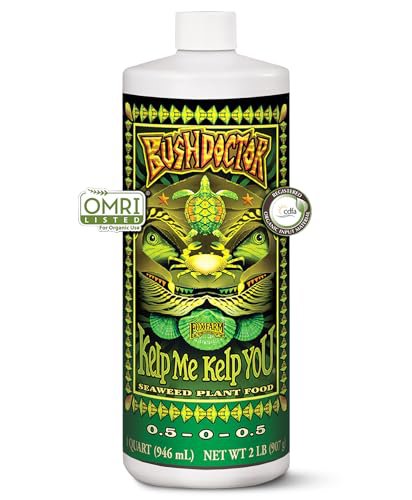
Using a fertilizer with high nitrogen or applying it in liquid form can leave behind mineral salts and concentrated nutrients that feel tacky on the cactus surface as water evaporates.
Your plant might also be experiencing one of these issues:

 English
 Italiano