Mammillaria hahniana Sticky Leaves
eco Sticky Leaves

Mammillaria hahniana – Sticky Leaves

Why does your Mammillaria hahniana have sticky leaves? Diagnose the cause and fix it with our step-by-step guide.

search Possible Causes

error

Scale Insect Infestation

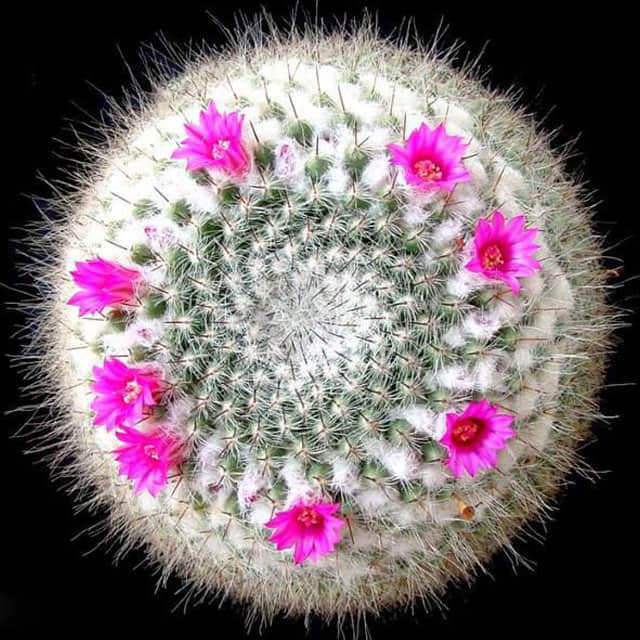
Scale insects attach to the body of the Mammillaria hahniana and secrete 'honeydew,' a sticky, sugary substance. This residue often attracts sooty mold, which can darken the white bristles of the Old Lady Cactus.

Very Common
lightbulb
How to confirm: Inspect the crevices between the tubercles for small, bump-like insects or cottony white patches.
build How to fix it
shopping_cart Recommended Products
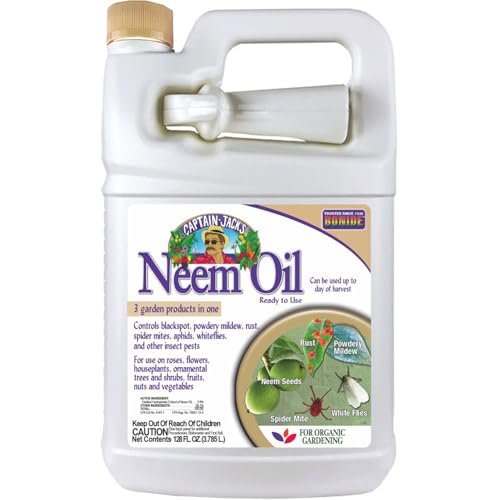
1 Treat the cactus with an organic insecticide spray to eliminate the scale insects and stop the production of honeydew.
2 Gently wipe the cactus body and white bristles with a cotton swab dipped in isopropyl alcohol to remove existing scale and sticky residue.
3 Monitor the soil moisture levels using a moisture meter to ensure the cactus is not being overwatered, which can exacerbate pest issues.
error

Mealybug Infestation

Mealybugs produce sticky honeydew as they feed on the cactus sap. In Mammillaria species, they often hide deep within the dense white hair (radial spines) where they are difficult to see.

Very Common
lightbulb
How to confirm: Use a magnifying glass to look for tiny, white, waxy clumps nestled near the base of the spines.
build How to fix it
shopping_cart Recommended Products
1 Isolate the cactus immediately and use a cotton swab dipped in isopropyl alcohol to manually remove visible white mealybug clusters from the dense spines.
2 Apply an organic insecticide spray to the entire plant to target any remaining pests and larvae hiding deep within the cactus hair.
3 Clean the surrounding area and any nearby plants to prevent the infestation from spreading via the sticky honeydew residue.
warning

Aphid Infestation

Aphids feed on the succulent tissue of the cactus, excreting honeydew that creates a sticky film on the plant surface. While less common on mature cacti than soft-bodied plants, they can affect new growth.

Common
lightbulb
How to confirm: Check for small, pear-shaped insects concentrated around the base or any new growth points.
build How to fix it
shopping_cart Recommended Products
1 Apply an organic insecticide spray to the cactus to eliminate existing aphids and prevent further feeding.
2 Gently wipe away the sticky honeydew residue from the cactus surface using a soft cloth dampened with water.
3 Monitor the plant closely using a moisture meter to ensure the soil remains dry, as overly moist conditions can encourage pest activity.
warning

Sap Exudation due to Physical Damage

If the epidermis of the Mammillaria hahniana is punctured by tools or pests, the plant may exude a sticky sap as a defense mechanism or during healing.

Common
lightbulb
How to confirm: Look for visible wounds, cracks, or bruising on the cactus body near the sticky areas.
build How to fix it
shopping_cart Recommended Products
1 Gently clean the sticky sap from the cactus surface using a soft, damp cotton swab to prevent fungal growth or attracting pests.
2 Inspect the puncture site for any signs of rot or insect activity; if pests are present, treat the area with an organic insecticide.
3 Ensure the cactus is in a well-draining environment to prevent secondary infections in the damaged tissue.

Other Mammillaria hahniana problems

Your plant might also be experiencing one of these issues:

local_hospital All symptoms eco All plants with sticky leaves
favorite