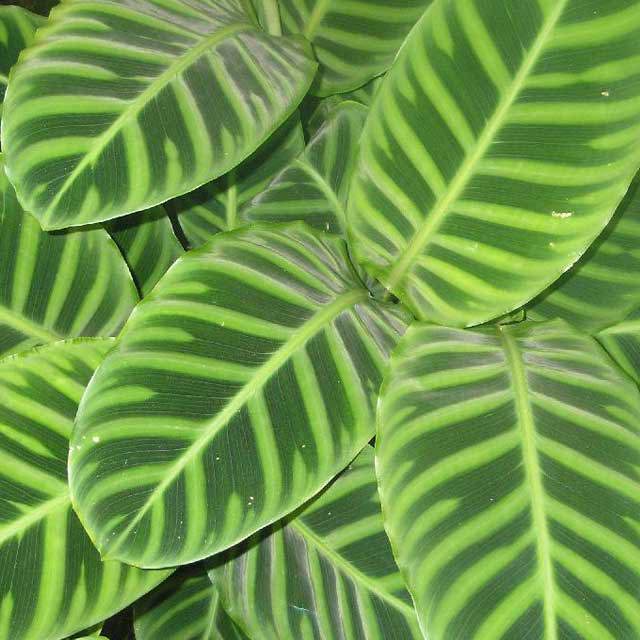
Maranta arundinacea variegata Yellow Leaves
eco Yellow Leaves

Maranta arundinacea variegata – Yellow Leaves

Why does your Maranta arundinacea variegata have yellow leaves? Diagnose the cause and fix it with our step-by-step guide.

pets Pet Friendly

search Possible Causes

error

Overwatering and Root Rot

Maranta arundinacea is highly susceptible to fungal pathogens like Pythium if the rhizomes stay too wet. Excessive moisture prevents oxygen from reaching the roots, leading to yellowing of older leaves as the root system fails.

Very Common
lightbulb
How to confirm: Gently lift the plant from its pot to check if the rhizomes or roots feel mushy and smell like decay.
build How to fix it
shopping_cart Recommended Products
1 Immediately remove the plant from its current pot and inspect the rhizomes and roots for mushy, dark, or foul-smelling rot.
2 Prune away all dead or rotting roots using sterilized shears and repot the plant in a well-draining, airy medium like a mix containing perlite or orchid bark.
3 Switch to a more breathable container and use a moisture meter to ensure the soil dries out significantly between waterings to prevent future oxygen deprivation.
error

Nutrient Deficiency (Nitrogen/Magnesium)

As a tropical rhizomatous plant, variegated varieties have higher metabolic demands for nutrients. A lack of nitrogen or magnesium prevents chlorophyll production, causing the characteristic yellowing between leaf veins.

Very Common
lightbulb
How to confirm: Observe if the yellowing starts on older leaves and moves toward new growth while checking your fertilization schedule.
build How to fix it
shopping_cart Recommended Products
1 Apply a liquid fertilizer rich in nitrogen and magnesium to restore chlorophyll production and green up the leaves.
2 Supplement with a calcium and magnesium booster to strengthen cell walls and prevent further yellowing.
3 Monitor soil moisture levels with a meter to ensure the plant is not experiencing root stress, which can mimic nutrient deficiency symptoms.
warning

Low Humidity/Drought Stress

Variegated Maranta species lack the dense chlorophyll of green varieties, making them more sensitive to transpiration stress. Dry air or infrequent watering causes the leaf margins to yellow and eventually crisp.

Common
lightbulb
How to confirm: Check if the soil is bone dry several inches deep and feel if the surrounding indoor air is particularly arid.
build How to fix it
shopping_cart Recommended Products
1 Increase ambient humidity around the plant to prevent leaf margins from crisping, ideally using a pebble tray or a fine misting tool.
2 Monitor soil moisture levels closely to ensure the plant remains consistently moist but not waterlogged, using a moisture meter to avoid drought stress.
3 Apply a light liquid feeding to support recovery and strengthen the plant's resilience against environmental stress.
warning

Light Stress (Photo-oxidation)

While variegation requires light, too much direct sunlight can damage the delicate variegated cells in Maranta arundinacea. Intense light causes the pigments to break down, resulting in yellow or bleached patches.

Common
lightbulb
How to confirm: Check if the yellowing patches coincide with areas of the plant that receive direct afternoon sun.
build How to fix it
shopping_cart Recommended Products
1 Move your Maranta to a location with bright, indirect light, away from direct sunbeams that can cause bleaching.
2 Monitor the light intensity using a light meter or by observing if the leaves feel warm to the touch.
3 Prune any severely yellowed or dead leaves using clean, sharp shears to prevent further energy loss.
local_hospital All symptoms eco All plants with yellow leaves
favorite