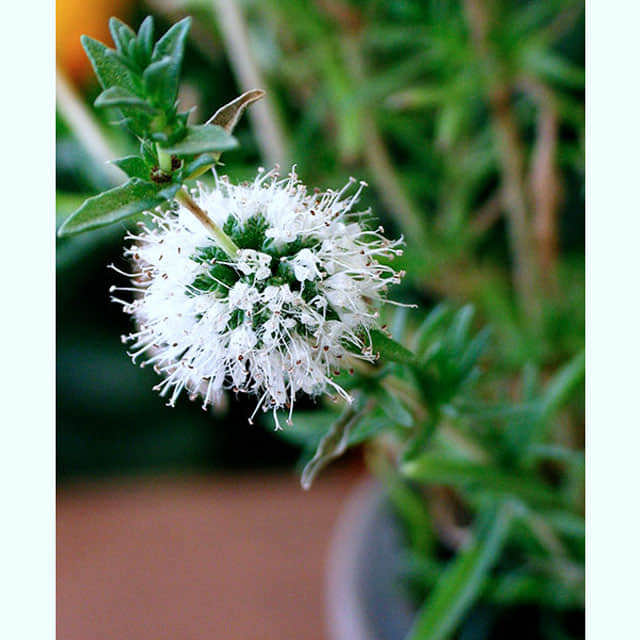
Mentha cervina Drooping Leaves
eco Drooping Leaves

Mentha cervina – Drooping Leaves

Why does your Mentha cervina have drooping leaves? Diagnose the cause and fix it with our step-by-step guide.

search Possible Causes

error

Water Stress (Underwatering)

Mint species like Mentha cervina have high transpiration rates and shallow root systems, making them highly susceptible to rapid moisture loss. When the substrate dries out, turgor pressure drops, causing the leaves to wilt or droop significantly.

Very Common
lightbulb
How to confirm: Stick your finger one inch into the soil; if it is bone dry, the plant requires immediate deep watering.
build How to fix it
shopping_cart Recommended Products
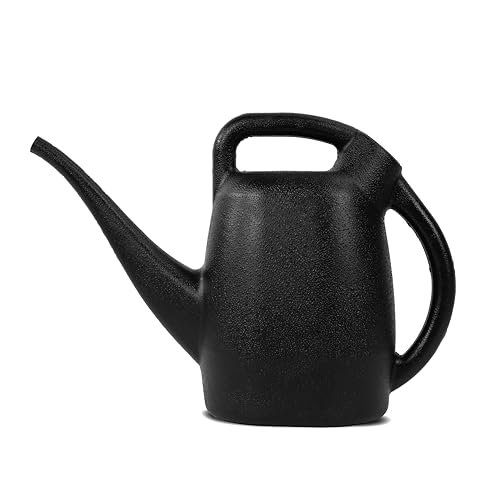
1 Immediately check the soil moisture level using a probe to confirm the depth of dehydration.
2 Thoroughly water the plant until water drains from the bottom of the pot, ensuring the shallow root system is fully saturated.
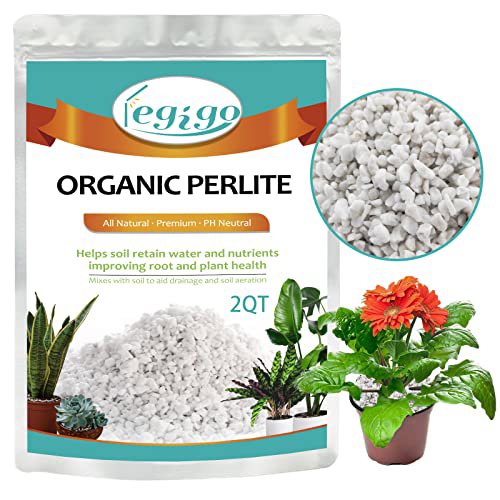
3 To prevent future rapid moisture loss, consider adding a layer of perlite or vermiculite to the soil to improve water retention.
error

Root Rot (Overwatering/Poor Drainage)

Excessive moisture in the soil suffocates the roots by displacing oxygen, leading to fungal pathogens like Phytophthora. This damage prevents the plant from transporting water to the leaves, resulting in wilting that looks similar to drought stress.

Very Common
lightbulb
How to confirm: Check the base of the stems for darkening or mushiness and smell if the soil has a sour, fermented odor.
build How to fix it
shopping_cart Recommended Products
1 Immediately inspect the soil moisture levels using a meter to confirm if the root zone is saturated.
2 Repot the plant in a well-draining medium, incorporating perlite to improve aeration and prevent future oxygen displacement.
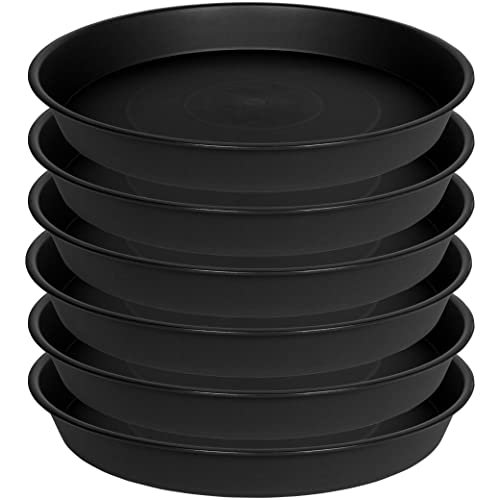
3 Ensure the plant is in a container with adequate drainage and use a saucer to catch excess water, making sure not to let the pot sit in standing water.
warning

Temperature Stress (Heat Scorch)

High ambient temperatures or direct afternoon sun can cause the leaves to lose water faster than the roots can replenish it. This physiological response leads to temporary drooping during the hottest parts of the day.

Common
lightbulb
How to confirm: Observe if the plant recovers and stands upright once the evening temperature drops or after shading.
build How to fix it
shopping_cart Recommended Products
1 Move the plant to a shaded area or provide temporary afternoon shade to protect leaves from direct, intense sunlight.
2 Monitor soil hydration levels closely using a moisture meter to ensure the roots are not drying out during heat waves.
3 Apply a light mulch or organic amendment to the soil surface to help retain moisture and regulate soil temperature.
warning

Nutrient Deficiency (Nitrogen)

A lack of available nitrogen prevents the synthesis of chlorophyll and structural proteins necessary for leaf strength. While primarily causing yellowing (chlorosis), severe deficiency can lead to weakened, drooping foliage.

Common
lightbulb
How to confirm: Inspect older leaves for yellowing patterns accompanied by stunted growth across the whole plant.
build How to fix it
shopping_cart Recommended Products
1 Apply a nitrogen-rich liquid fertilizer to boost chlorophyll production and restore leaf structural strength.
2 Check the soil moisture levels with a moisture meter to ensure the drooping isn't actually caused by underwatering.
3 Ensure the plant is receiving adequate sunlight, as insufficient light can exacerbate the appearance of weakened foliage.

Other Mentha cervina problems

Your plant might also be experiencing one of these issues:

local_hospital All symptoms eco All plants with drooping leaves
favorite