Mentha requienii Drooping Leaves
eco Drooping Leaves

Mentha requienii – Drooping Leaves

Why does your Mentha requienii have drooping leaves? Diagnose the cause and fix it with our step-by-step guide.

search Possible Causes

error

Underwatering / Desiccation

As a moisture-loving plant, Mentha requienii has very shallow root systems that dry out quickly. Drooping is the primary defense mechanism to reduce transpiration when soil moisture levels fall below critical thresholds.

Very Common
lightbulb
How to confirm: Check if the substrate feels dry to the touch or if the leaves feel crispy and thin.
build How to fix it
shopping_cart Recommended Products
1 Immediately check the soil moisture level using a probe to confirm the depth of desiccation.
2 Thoroughly water the plant until water drains from the bottom, ensuring the shallow root system is fully saturated.
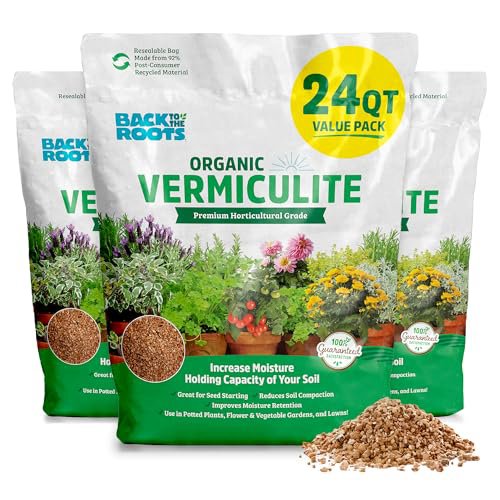
3 To prevent future rapid drying, consider using a self-watering system or adding a moisture-retaining substrate like vermiculite to the soil.
error

Root Rot (Pythium/Phytophthora)

While this species loves moisture, stagnant water in poorly draining soil leads to anaerobic conditions. This suffocates the fine root hairs of Corsican Mint, preventing water uptake and causing a paradox where the plant droops despite wet soil.

Very Common
lightbulb
How to confirm: Gently lift the plant from its pot to see if the roots are dark, slimy, or have a foul odor.
build How to fix it
shopping_cart Recommended Products
1 Immediately repot the plant in a highly aerated, well-draining medium to eliminate anaerobic conditions and allow roots to breathe.
2 Prune away any mushy, blackened, or foul-smelling roots using sterilized shears to prevent the spread of the pathogen.
3 Monitor the soil moisture levels closely with a meter to ensure the substrate remains damp but never waterlogged.
warning

Temperature Stress / Heat Exhaustion

Mentha requienii prefers cool, humid environments. Exposure to direct afternoon sun or high ambient temperatures can cause rapid wilting as the plant struggles to maintain turgor pressure.

Common
lightbulb
How to confirm: Observe if the drooping improves significantly during the cooler evening hours.
build How to fix it
shopping_cart Recommended Products
1 Move the plant to a cooler, shaded location away from direct afternoon sunlight to reduce heat absorption.
2 Increase local humidity around the plant by using a pebble tray or frequent misting to help the plant maintain turgor pressure.
3 Check the soil moisture levels to ensure the plant is not also experiencing drought stress, using a moisture meter for accuracy.
warning

Nutrient Deficiency (Nitrogen)

Prolonged lack of nitrogen can weaken the structural integrity of the stems and leaves in Mentha species. This often manifests as a general loss of vigor and limp, drooping foliage.

Common
lightbulb
How to confirm: Look for a pale, yellowish tint on older leaves in addition to the drooping symptom.
build How to fix it
shopping_cart Recommended Products
1 Apply a nitrogen-rich liquid fertilizer to boost vegetative growth and restore leaf vigor.
2 Check the soil moisture levels using a moisture meter to ensure the drooping isn't actually caused by underwatering.
3 Ensure the plant is in a well-draining potting medium to prevent root rot, which can also cause drooping.

Other Mentha requienii problems

Your plant might also be experiencing one of these issues:

local_hospital All symptoms eco All plants with drooping leaves
favorite