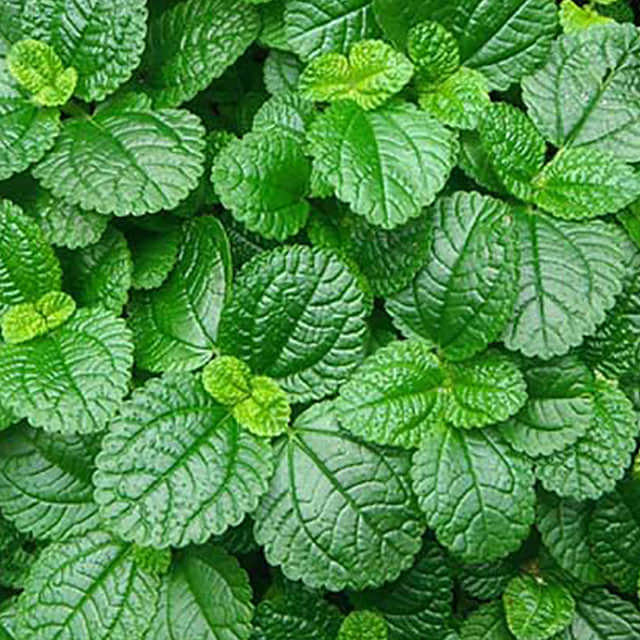
Mentha rotundifolia Brown Leaf Tips
eco Brown Leaf Tips

Mentha rotundifolia – Brown Leaf Tips

Why does your Mentha rotundifolia have brown leaf tips? Diagnose the cause and fix it with our step-by-step guide.

pets Pet Friendly

search Possible Causes

error

Salt or Mineral Accumulation

Mint species are sensitive to high concentrations of dissolved salts from tap water or synthetic fertilizers, which causes osmotic stress at the leaf margins. This leads to localized desiccation and characteristic brown tips.

Very Common
lightbulb
How to confirm: Check if you are using hard water or if there is a white crusty residue on the soil surface.
build How to fix it
shopping_cart Recommended Products
1 Flush the soil thoroughly with distilled or rainwater to leach out accumulated mineral salts and reduce osmotic stress.
2 Switch to a low-salt water source and use a diluted fertilizer regimen to prevent future buildup.
3 Monitor soil moisture levels closely to ensure consistent hydration without overwatering, which can exacerbate salt concentration.
error

Low Humidity / Desiccation

Mentha rotundifolia has high transpiration rates; when air humidity drops too low, the plant cannot transport water to the furthest edges of the leaves fast enough. This results in the drying and browning of the leaf tips.

Very Common
lightbulb
How to confirm: Observe if the browning worsens during periods of indoor heating or low-humidity weather.
build How to fix it
shopping_cart Recommended Products
1 Increase local humidity around the plant by using a pebble tray or a fine misting bottle to hydrate the air.
2 Monitor soil moisture levels closely to ensure the plant remains hydrated, as dry soil exacerbates desiccation.
3 Prune away the most severely browned leaf tips using clean shears to prevent further aesthetic decline.
warning

Inconsistent Soil Moisture

Allowing the soil to dry out completely between waterings causes physiological drought stress. For mint, these rapid fluctuations in moisture levels often manifest first as necrotic (brown) leaf tips.

Common
lightbulb
How to confirm: Feel the top inch of soil; if it is bone dry and the browning is widespread, watering regularity is likely the issue.
build How to fix it
shopping_cart Recommended Products
1 Monitor soil moisture levels closely using an analog meter to ensure the soil remains consistently damp but not waterlogged.
2 Implement a more regular watering schedule to prevent the soil from drying out completely between sessions.
3 Consider using a self-watering system or moisture-retaining amendments like vermiculite to stabilize hydration levels.
warning

Fungal Leaf Spot (e.g., Septoria or Phyllosticta)

While typically presenting as spots, certain fungal pathogens can cause necrotic margins that appear to start at the tips of the mint leaves. This is often exacerbated by moisture sitting on the foliage.

Common
lightbulb
How to confirm: Inspect the brown areas for small black dots (fruiting bodies) within the necrotic tissue.
build How to fix it
shopping_cart Recommended Products
1 Remove and discard all heavily infected or necrotic leaves to prevent the spread of fungal spores throughout the plant.
2 Apply an organic fungicide to protect healthy tissue and control existing fungal pathogens.
3 Adjust watering habits to avoid wetting the foliage; water at the base of the plant and ensure the soil has excellent drainage to reduce humidity around the leaves.

Other Mentha rotundifolia problems

Your plant might also be experiencing one of these issues:

local_hospital All symptoms eco All plants with brown leaf tips
favorite