Mentha spicata Brown Leaf Tips
eco Brown Leaf Tips

Mentha spicata – Brown Leaf Tips

Why does your Mentha spicata have brown leaf tips? Diagnose the cause and fix it with our step-by-step guide.

pets Pet Friendly

search Possible Causes

error

Salt or Fertilizer Accumulation

Spearmint is sensitive to high concentrations of mineral salts from tap water or excessive nitrogen fertilizers. As the plant transpires, these salts accumulate in the leaf margins, leading to localized tissue necrosis at the tips.

Very Common
lightbulb
How to confirm: Check if you are using hard tap water or applying high-nitrogen fertilizer frequently; try flushing the soil with distilled water.
build How to fix it
shopping_cart Recommended Products
1 Flush the soil thoroughly with distilled or rainwater to leach out accumulated mineral salts and prevent further tip burn.
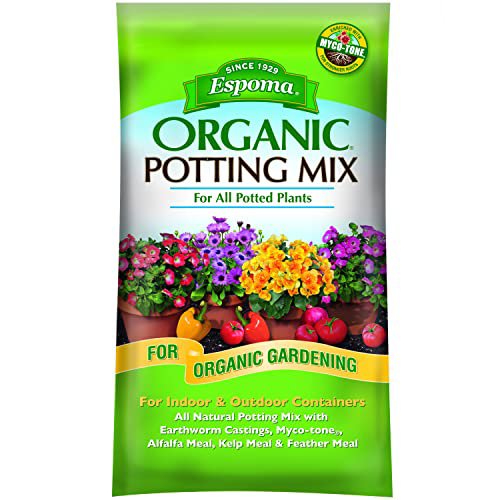
2 Repot the plant in fresh, high-quality potting soil to provide a clean medium free of salt buildup.
3 Reduce fertilizer frequency and avoid high-nitrogen formulas; use a diluted, balanced liquid fertilizer if feeding is necessary.
error

Low Humidity / Desiccation

Spearmint prefers consistent moisture and moderate humidity. Dry air, especially in indoor environments or near heating vents, causes the leaf tips to dry out and turn brown before the rest of the leaf is affected.

Very Common
lightbulb
How to confirm: Observe if the browning occurs during periods of low indoor humidity or when the plant is near a heat source.
build How to fix it
shopping_cart Recommended Products
1 Increase local humidity around the plant by using a pebble tray or a fine misting spray bottle to hydrate the air.
2 Monitor soil moisture levels closely to ensure the plant does not dry out completely, as desiccation often follows underwatering.
3 Move the plant away from dry heat sources like radiators or air conditioning vents to maintain a more stable environment.
warning

Inconsistent Watering (Drought Stress)

While Spearmint likes damp soil, allowing the root ball to dry out completely causes physiological stress. This dehydration often manifests first as crispy, brown tips on the older leaves.

Common
lightbulb
How to confirm: Stick your finger into the soil; if it is bone-dry several inches deep, the plant has likely experienced drought stress.
build How to fix it
shopping_cart Recommended Products
1 Check the soil moisture levels immediately using a moisture meter to determine if the root ball has reached a critical dry point.
2 Establish a consistent watering schedule to ensure the soil remains damp but not waterlogged, preventing future drought stress.
3 Apply a layer of organic mulch or perlite to the soil surface to help retain moisture and stabilize the soil's hydration levels.
warning

Fungal Leaf Spot (e.g., Septoria or Rhizoctonia)

High humidity combined with wet foliage can promote fungal pathogens. While typically presenting as spots, early-stage infection can cause the margins and tips of Mentha spicata leaves to necrotize.

Common
lightbulb
How to confirm: Inspect the underside of the brown tips for small black fruiting bodies or dark lesions spreading toward the stem.
build How to fix it
shopping_cart Recommended Products
1 Remove and discard all heavily infected or necrotic leaves to prevent the spread of fungal spores throughout the plant.
2 Apply an organic fungicide to the foliage to control existing fungal pathogens and protect healthy tissue.
3 Improve air circulation around the plant and avoid overhead watering to ensure leaves remain dry, reducing the humidity that promotes fungal growth.

Other Mentha spicata problems

Your plant might also be experiencing one of these issues:

local_hospital All symptoms eco All plants with brown leaf tips
favorite