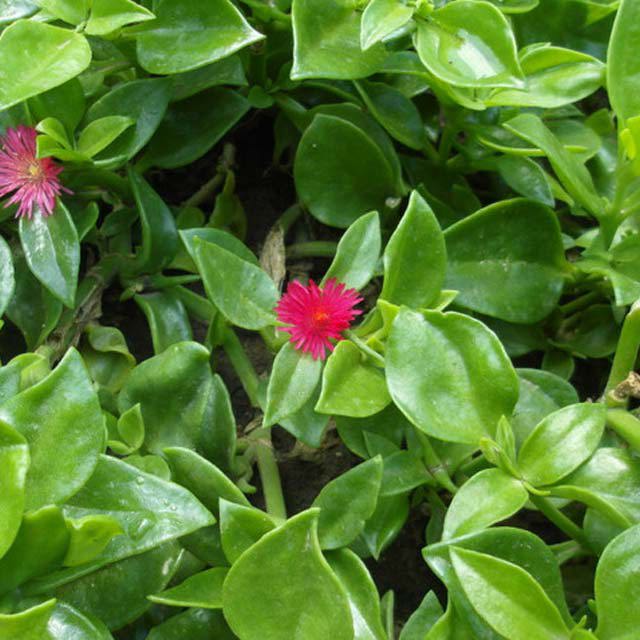
Mesembryanthemum cordifolium Drooping Leaves
eco Drooping Leaves

Mesembryanthemum cordifolium – Drooping Leaves

Why does your Mesembryanthemum cordifolium have drooping leaves? Diagnose the cause and fix it with our step-by-step guide.

pets Pet Friendly

search Possible Causes

error

Underwatering and Drought Stress

As a succulent, Mesembryanthemum cordifolium stores water in its fleshy leaves; when soil moisture is depleted, the plant loses turgor pressure, causing visible drooping. This is common if the substrate has become bone-dry for an extended period.

Very Common
lightbulb
How to confirm: Stick your finger deep into the substrate to check if it feels completely desiccated and hard.
build How to fix it
shopping_cart Recommended Products
1 Immediately check the soil moisture level using a probe to confirm the depth of dehydration.
2 Thoroughly soak the soil with water until it drains from the bottom, ensuring the root ball is fully rehydrated.
3 To prevent future drought stress, consider adding perlite to your potting mix to improve water retention and evenness of moisture.
error

Root Rot (Overwatering)

Excessive moisture in well-draining soil prevents oxygen from reaching the roots, leading to fungal decay. Once the root system fails, it can no longer transport water to the leaves, causing them to droop despite wet soil.

Very Common
lightbulb
How to confirm: Gently lift the plant from its pot to check if the roots are dark, slimy, or emitting a foul odor.
build How to fix it
shopping_cart Recommended Products
1 Immediately remove the plant from its current container and discard the waterlogged soil to stop the decay process.
2 Prune away any mushy, black, or foul-smelling roots and repot the plant in a fresh, highly porous medium containing perlite to restore aeration.
3 Use a moisture meter to monitor the soil and ensure you only water when the substrate is completely dry to prevent future rot.
warning

Temperature Stress (Heat Scorch)

While heat-tolerant, extreme sudden temperature spikes can cause the plant's physiological processes to struggle, leading to temporary wilting. High transpiration rates during intense midday sun can outpace water uptake.

Common
lightbulb
How to confirm: Observe if the drooping occurs primarily during the hottest part of the day and recovers at night.
build How to fix it
shopping_cart Recommended Products
1 Move the plant to a shaded area or provide temporary afternoon shade to reduce direct solar radiation and lower the leaf temperature.
2 Monitor soil moisture levels closely to ensure the plant is not experiencing dehydration during heat spikes; use a moisture meter to check deep soil hydration.
3 Apply a light mulch or organic amendment around the base to help regulate soil temperature and retain moisture.
warning

Nutrient Deficiency (Nitrogen)

A lack of essential nutrients like nitrogen can weaken the structural integrity of the succulent leaves, making them appear limp. This is most common in plants grown in depleted, sandy soils for multiple seasons.

Common
lightbulb
How to confirm: Check if the drooping is accompanied by a noticeable yellowing (chlorosis) of the older leaves.
build How to fix it
shopping_cart Recommended Products
1 Apply a nitrogen-rich organic fertilizer to replenish the soil nutrients and restore leaf structural integrity.
2 Amend your existing soil with a nutrient-dense organic matter like worm castings to prevent future depletion.
3 Check the soil moisture levels with a meter to ensure the drooping isn't actually caused by underwatering.

Other Mesembryanthemum cordifolium problems

Your plant might also be experiencing one of these issues:

local_hospital All symptoms eco All plants with drooping leaves
favorite