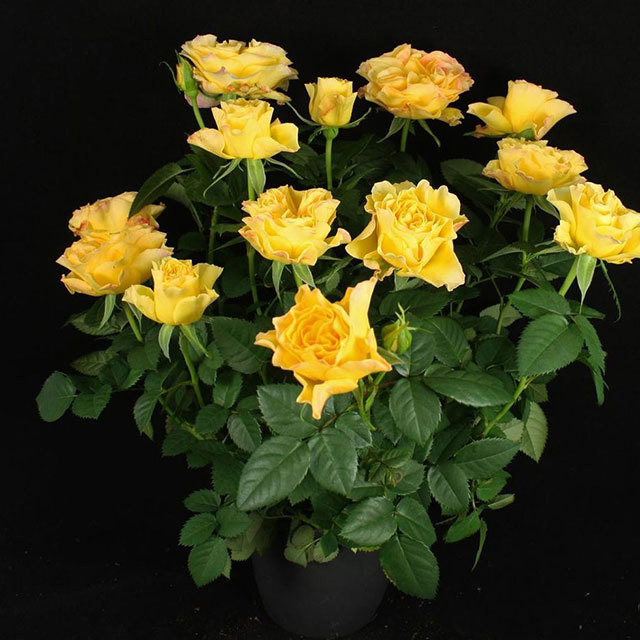
Mini Rose Desert Ovation Leggy Stems
eco Leggy Stems

Mini Rose Desert Ovation – Leggy Stems

Why does your Mini Rose Desert Ovation have leggy stems? Diagnose the cause and fix it with our step-by-step guide.

search Possible Causes

error

Insufficient Light Exposure

As a cultivar bred for compact growth, lack of intense sunlight causes the plant to undergo etiolation, where stems stretch rapidly toward the nearest light source. This results in weak, elongated internodes and reduced flowering.

Very Common
lightbulb
How to confirm: Observe if the distance between leaf nodes has increased significantly compared to previously healthy growth.
build How to fix it
shopping_cart Recommended Products
1 Move your mini rose to a location with much higher light intensity, such as a south-facing window, to stop stems from stretching.
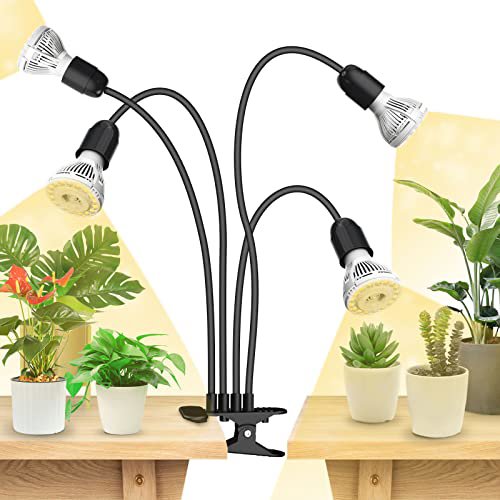
2 Supplement with a full-spectrum LED grow light to provide the intense light necessary for compact, bushy growth and flowering.
3 Prune away the most elongated, weak stems using sharp shears to encourage new, denser growth from the base.
warning

Excessive Nitrogen Fertilization

High levels of nitrogen promote rapid vegetative foliage growth at the expense of structural integrity and compact habit. In mini roses, this can lead to soft, succulent stems that lack the strength to hold blooms upright.

Common
lightbulb
How to confirm: Check if you have recently used a high-N fertilizer or if the new growth appears unusually dark green and fleshy.
build How to fix it
shopping_cart Recommended Products
1 Stop all nitrogen-rich fertilization immediately to allow the plant to stabilize and prevent further soft, succulent growth.
2 Prune the leggy, weak stems back to a sturdier growth point to encourage a more compact and structurally sound habit.
3 Flush the soil with plain, room-temperature water to help leach excess nitrogen salts away from the root zone.
warning

Overwatering and Poor Aeration

Constant moisture in the substrate can lead to shallow, weak root systems that cannot support a robust stem structure. This often manifests as 'floppy' or leggy growth because the plant lacks the hydraulic pressure from healthy roots.

Common
lightbulb
How to confirm: Insert your finger 2 inches into the soil to see if it remains saturated for extended periods.
build How to fix it
shopping_cart Recommended Products
1 Check the soil moisture levels immediately using a moisture meter to ensure the substrate is not staying saturated.
2 Repot the rose in a well-draining medium and incorporate perlite to improve aeration and prevent future waterlogging.
3 Ensure the plant is in a pot with adequate drainage and use a saucer to prevent water from pooling around the base.
warning

Inappropriate Pruning Regimen

Failure to prune dead or overly long stems prevents the plant from developing its characteristic bushy, dwarf habit. Allowing old, woody stems to persist without renewal can lead to a sparse, leggy appearance.

Common
lightbulb
How to confirm: Inspect the base of the plant for old, thick stems that have not been cut back to promote new lateral growth.
build How to fix it
shopping_cart Recommended Products
1 Prune back the overly long, leggy stems to encourage new, bushy growth and a more compact dwarf habit.
2 Use sharp, clean shears to make precise cuts just above a healthy leaf node to prevent disease spread.
3 Apply a balanced liquid fertilizer to provide the nutrients necessary for the development of new, vigorous stems.

Other Mini Rose Desert Ovation problems

Your plant might also be experiencing one of these issues:

local_hospital All symptoms eco All plants with leggy stems
favorite