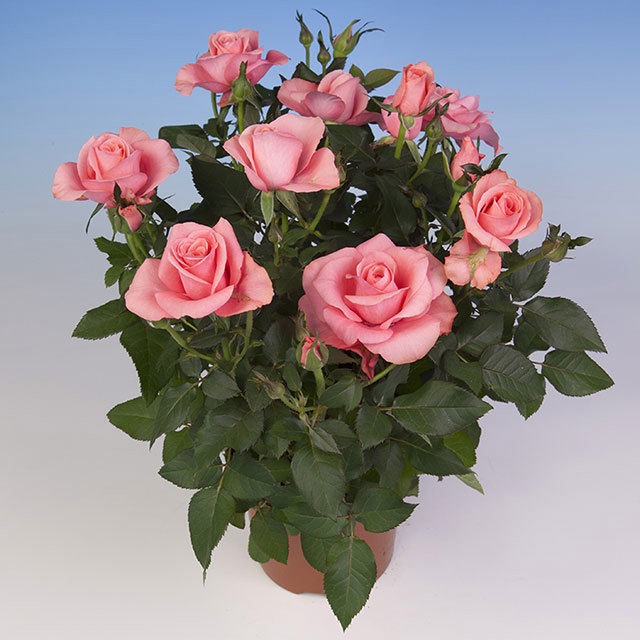
Mini Rose Lady Star Leggy Stems
eco Leggy Stems

Mini Rose Lady Star – Leggy Stems

Why does your Mini Rose Lady Star have leggy stems? Diagnose the cause and fix it with our step-by-step guide.

search Possible Causes

error

Insufficient Light Exposure

Miniature roses require high light intensity to maintain compact growth. When light is low, the plant undergoes etiolation, stretching stems toward the nearest light source to maximize photosynthesis.

Very Common
lightbulb
How to confirm: Observe if the internodes (distance between thorns/leaves) are significantly longer than they were during more productive growing periods.
build How to fix it
shopping_cart Recommended Products
1 Move your miniature rose to a location with much higher light intensity, such as a south-facing window or a spot with direct sunlight.
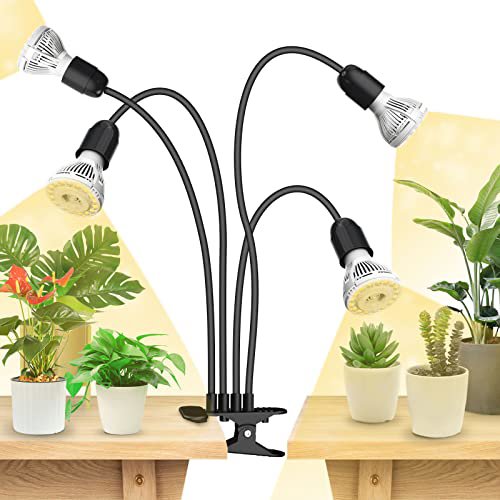
2 Supplement natural light with a full-spectrum grow light to ensure the plant receives enough energy to stop stretching and promote compact growth.
3 Prune the elongated, leggy stems back to a healthy node to encourage bushier, more compact development.
error

Excessive Nitrogen Fertilization

High levels of nitrogen promote rapid, succulent vegetative growth at the expense of structural strength. In 'Lady Star', this often results in weak, elongated stems that lack the characteristic bushy habit.

Very Common
lightbulb
How to confirm: Review your recent fertilizer brand and check if the N-P-K ratio is heavily weighted toward Nitrogen.
build How to fix it
shopping_cart Recommended Products
1 Stop all nitrogen-rich fertilization immediately to allow the plant to stabilize and focus on structural development.
2 Prune the elongated, weak stems back to a stronger node to encourage bushier, more compact growth.
3 Flush the soil with plain, room-temperature water to help leach out excess nitrogen salts from the root zone.
warning

Overwatering/High Humidity

Consistent moisture in the substrate can lead to soft, weak tissue development. This prevents the rose from developing the woody strength required for compact miniature growth.

Common
lightbulb
How to confirm: Check if the soil stays damp for several days after watering and if the new growth feels soft or bendable rather than firm.
build How to fix it
shopping_cart Recommended Products
1 Reduce watering frequency and allow the top inch of soil to dry out completely before watering again to prevent root rot and soft tissue.
2 Improve air circulation around the plant to lower humidity levels and help the stems dry out.
3 Prune away the weakest, softest stems to encourage the plant to redirect energy into developing sturdier, woodier growth.
warning

Lack of Pruning

Failing to prune dead or overly mature stems allows older, weaker branches to continue growing outward. Without regular pinching, the plant loses its tight, mounded shape characteristic of miniature varieties.

Common
lightbulb
How to confirm: Inspect the plant for a lack of new lateral buds and an accumulation of old, long-reaching wood from previous seasons.
build How to fix it
shopping_cart Recommended Products
1 Use sharp, clean pruning shears to remove dead, weak, or overly long stems to encourage a bushier growth habit.
2 Pinch back the tips of new growth to maintain the compact, mounded shape essential for miniature rose varieties.
3 Apply a balanced liquid fertilizer to support new, healthy bud development following the pruning.

Other Mini Rose Lady Star problems

Your plant might also be experiencing one of these issues:

local_hospital All symptoms eco All plants with leggy stems
favorite