Mini Rose Rosa Terrazza Comet Leggy Stems
eco Leggy Stems

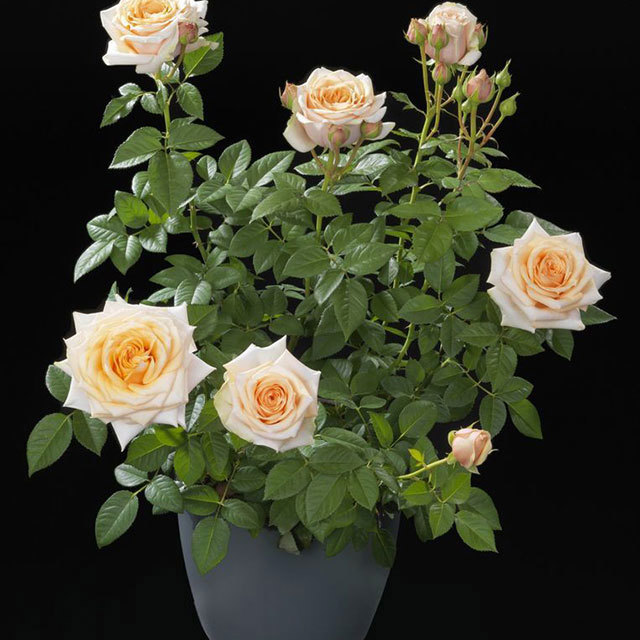
Mini Rose Rosa Terrazza Comet – Leggy Stems

Why does your Mini Rose Rosa Terrazza Comet have leggy stems? Diagnose the cause and fix it with our step-by-step guide.

search Possible Causes

error

Insufficient Light Exposure

As a miniature variety, Rosa Terrazza Comet requires high light intensity to maintain compact growth. Lack of sunlight causes etiolation, where the plant stretches its stems toward the nearest light source to compensate.

Very Common
lightbulb
How to confirm: Observe if the internodes (distance between leaves) are unusually long and if the leaves are turning a lighter green.
build How to fix it
shopping_cart Recommended Products
1 Move your miniature rose to a location with much higher light intensity, such as a south-facing window, to prevent further stretching.
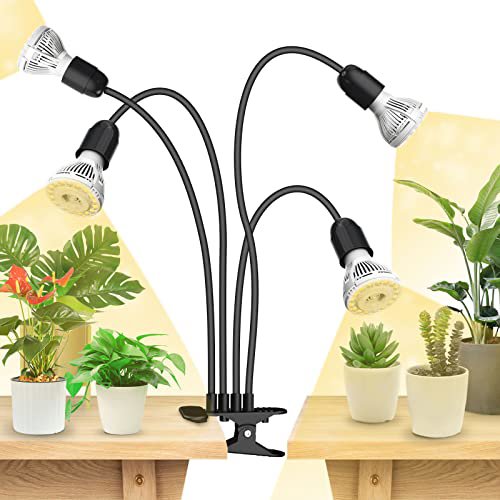
2 Supplement natural sunlight with a full-spectrum grow light to provide the consistent energy needed for compact, bushy growth.
3 Prune the elongated, leggy stems back to a healthy node to encourage new, denser growth from the base.
error

Excessive Nitrogen Fertilization

High levels of nitrogen encourage rapid, succulent vegetative growth at the expense of structural strength. In miniature roses, this often results in weak, spindly stems that cannot support the flower weight.

Very Common
lightbulb
How to confirm: Check if you have recently used a fertilizer with a significantly high first number (N) on the N-P-K ratio.
build How to fix it
shopping_cart Recommended Products
1 Immediately cease all nitrogen-rich fertilization to allow the plant to stabilize and focus on structural development.
2 Prune the spindly, leggy stems using sharp, clean shears to encourage bushier, sturdier growth from the base.
3 Switch to a balanced or phosphorus-rich fertilizer to support stronger stems and future blooms.
warning

Improper Pruning Regimen

Failure to prune dead or overly long canes can lead to an accumulation of old, weak growth. Without regular pinching or pruning, the plant lacks the hormonal signals to promote bushier, more compact development.

Common
lightbulb
How to confirm: Inspect the plant for a lack of side shoots and many long, unbranched stems originating from the base.
build How to fix it
shopping_cart Recommended Products
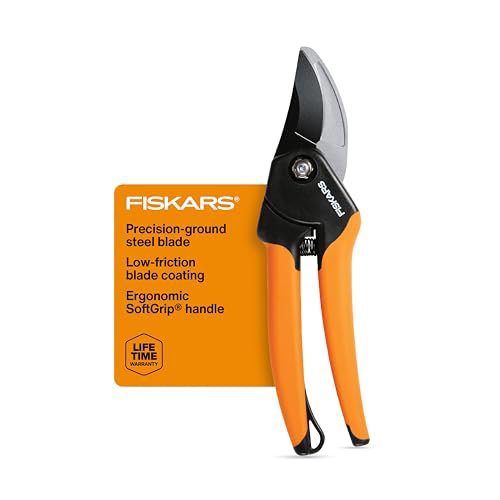
1 Use sharp, clean pruning shears to prune back the long, leggy canes to a shorter, denser height, cutting just above a healthy leaf node to stimulate new, bushy growth.
2 Remove any dead, diseased, or overly weak stems at the base of the plant to improve airflow and prevent the accumulation of old growth.
3 Apply a balanced liquid fertilizer to provide the nutrients necessary for the development of new, vigorous shoots following the pruning.
warning

Temperature Fluctuations

Consistently warm nighttime temperatures can prevent the rose from entering its necessary metabolic rest phase. This keeps the plant in a continuous growth state, leading to elongated, less dense cell structures.

Common
lightbulb
How to confirm: Determine if the plant is being kept in an environment that stays warm throughout the night without any cooling period.
build How to fix it
shopping_cart Recommended Products
1 Stabilize the environment by moving the plant to a location with more consistent temperatures, avoiding drafts or heat sources that disrupt the plant's metabolic rest phase.
2 Prune the elongated, leggy stems using sharp, clean shears to encourage denser, bushier growth and more compact structure.
3 Apply a balanced fertilizer to support healthy, sturdy new growth following the pruning.

Other Mini Rose Rosa Terrazza Comet problems

Your plant might also be experiencing one of these issues:

local_hospital All symptoms eco All plants with leggy stems
favorite