Mini Rose Rosa Terrazza Neptune Tiny Black Flies
eco Tiny Black Flies

Mini Rose Rosa Terrazza Neptune – Tiny Black Flies

Why does your Mini Rose Rosa Terrazza Neptune have tiny black flies? Diagnose the cause and fix it with our step-by-step guide.

search Possible Causes

error

나 Fungus Gnats

These tiny black flies thrive in the moist, organic-rich soil required by miniature roses. The larvae live in the top layer of soil and feed on decaying organic matter or fine root hairs, which can weaken a young Neptune rose plant.

Very Common
lightbulb
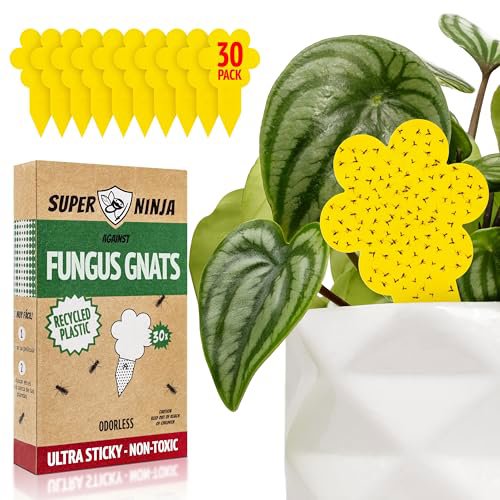
How to confirm: Set a yellow sticky trap near the soil surface to see if small dark flies are captured.
build How to fix it
shopping_cart Recommended Products
1 Deploy yellow sticky traps to capture the adult flying gnats and break the breeding cycle.
2 Reduce watering frequency and allow the top inch of soil to dry out completely to kill larvae in the soil.
3 Apply a microbial-based treatment or ensure the soil surface is well-aerated to disrupt the moist environment gnats prefer.
error

Overwatering / Poor Drainage

Frequent watering or a lack of drainage in miniature rose containers creates the perfect humid microclimate for fungus gnat breeding. This also increases the risk of Pythium root rot, which further attracts soil pests.

Very Common
lightbulb
How to confirm: Stick your finger two inches into the soil to check if it remains saturated for long periods.
build How to fix it
shopping_cart Recommended Products
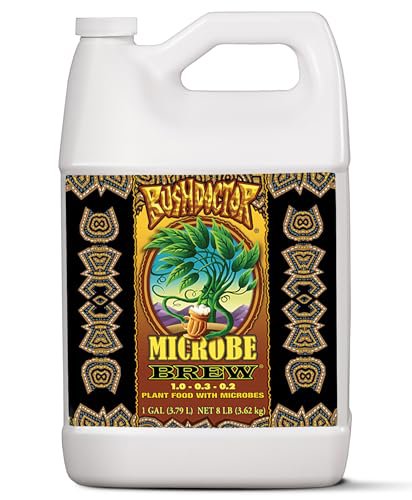
1 Apply an organic insecticide to eliminate the adult flies and larvae, such as Bonide Captain Jack's Neem Oil, to disrupt the breeding cycle.
2 Reduce watering frequency and ensure the container has adequate drainage; consider repotting in a well-draining medium like Espoma Organic Potting Soil Mix to prevent further moisture buildup.
3 Use a soil moisture meter to monitor the substrate and prevent the soil from remaining saturated, which attracts fungus gnats.
warning

Black Vine Weevil (Early Stage)

While typically larger, some species of weevils can be mistaken for small flies in early life cycles. Their larvae feed directly on the roots of roses, causing significant wilting and plant decline.

Common
lightbulb
How to confirm: Gently lift the rose from its pot to check for small, C-shaped white larvae near the root mass.
build How to fix it
shopping_cart Recommended Products
1 Apply an organic insecticide to eliminate the adult flies and prevent further egg-laying near the soil surface.
2 Inspect the root zone for larvae and repot the rose in fresh, well-draining soil to disrupt the life cycle and remove any existing pests.
3 Use a soil moisture meter to ensure the soil is not overly damp, as excessive moisture can encourage pest larvae survival.

Other Mini Rose Rosa Terrazza Neptune problems

Your plant might also be experiencing one of these issues:

local_hospital All symptoms eco All plants with tiny black flies
favorite