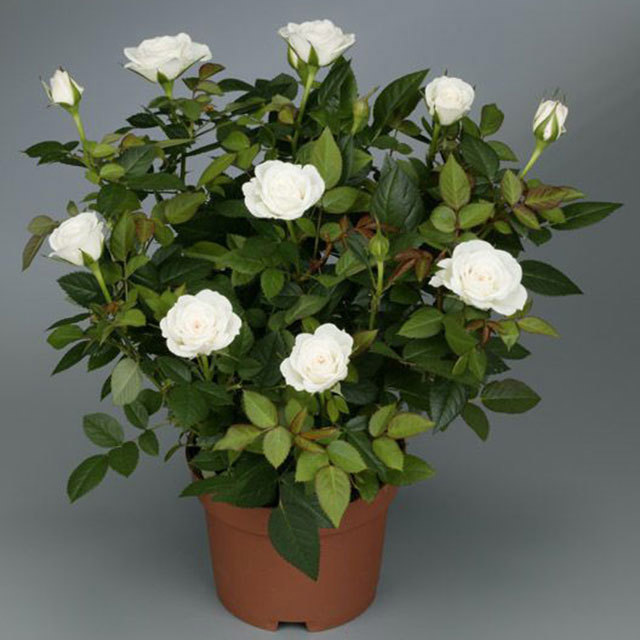
Mini Rose Royal White Optima Leggy Stems
eco Leggy Stems

Mini Rose Royal White Optima – Leggy Stems

Why does your Mini Rose Royal White Optima have leggy stems? Diagnose the cause and fix it with our step-by-step guide.

search Possible Causes

error

Insufficient Light Exposure

Roses require high light intensity to maintain compact growth; lack of sunlight causes etiolation, where the plant stretches stems toward the nearest light source. This results in elongated, weak internodes and sparse foliage.

Very Common
lightbulb
How to confirm: Observe if the new growth is pale and noticeably longer than previous growth cycles during periods of low light.
build How to fix it
shopping_cart Recommended Products
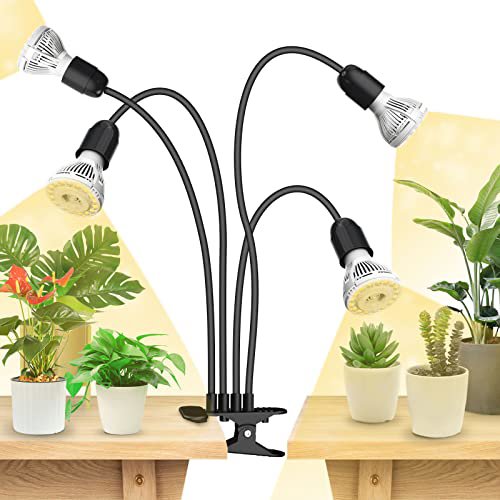
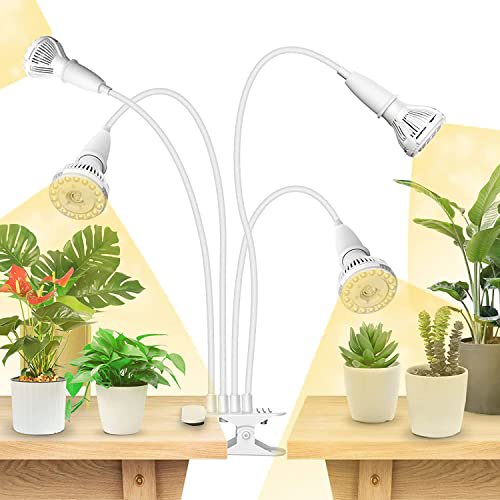
1 Move your mini rose to a location with much higher light intensity, such as a south-facing window or under a dedicated grow light.
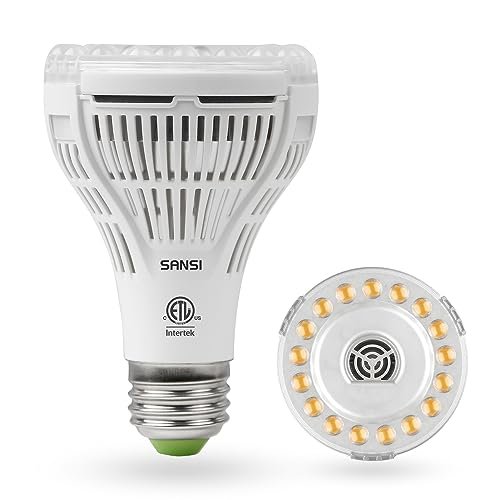
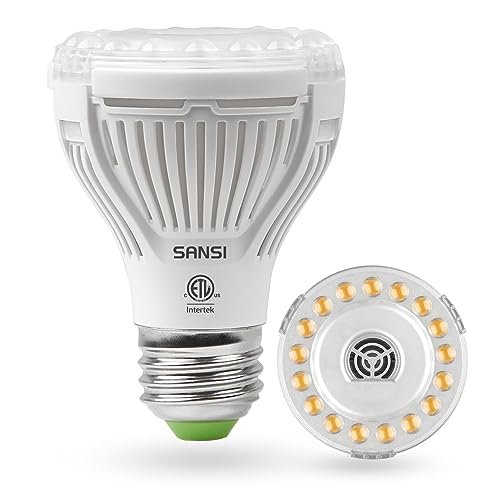
2 Supplement with a full-spectrum LED grow light to ensure the plant receives enough energy to prevent further stem stretching.
3 Prune the elongated, weak stems back to a healthier node to encourage bushier, more compact growth.
error

Excessive Nitrogen Fertilization

An imbalance in fertilizer, specifically an overabundance of nitrogen, promotes rapid vegetative growth at the expense of structural strength. This leads to soft, lush, but spindly stems that lack the density characteristic of a healthy miniature rose.

Very Common
lightbulb
How to confirm: Check if you have recently used a high-nitrogen fertilizer or if the foliage is an unnaturally dark, deep green.
build How to fix it
shopping_cart Recommended Products
1 Stop all nitrogen-rich fertilization immediately to allow the plant to stabilize and focus on structural development.
2 Flush the soil with water to leach out excess nitrogen salts from the root zone.
3 Apply a balanced or low-nitrogen fertilizer, such as a phosphorus-rich formula, to encourage stronger stems and bud development.
warning

Improper Pruning Regimen

Failure to prune dead or overly long stems in miniature roses allows apical dominance to drive vertical growth without lateral branching. Without regular pinching of the tips, the plant will naturally become leggy and lose its mounded shape.

Common
lightbulb
How to confirm: Examine if there are any recent cuts on the stems or if the plant has been left unpruned for an entire growing season.
build How to fix it
shopping_cart Recommended Products
1 Use sharp, clean pruning shears to trim back the overly long, leggy stems to a shorter height, making cuts just above a healthy leaf node to encourage lateral branching.
2 Regularly pinch off the growing tips of new stems to break apical dominance and promote a fuller, mounded growth habit.
3 Ensure the plant receives adequate light to prevent further stretching, and consider using a grow light if indoor light levels are insufficient.
warning

Temperature Fluctuations and Heat Stress

Inconsistent or excessively high temperatures can cause rapid, weak cell elongation. When a miniature rose experiences sudden warmth without adequate light, it prioritizes vertical stretching to escape the heat zone.

Common
lightbulb
How to confirm: Monitor if the leggy growth coincides with recent heatwaves or placement near a heat vent/radiator.
build How to fix it
shopping_cart Recommended Products
1 Relocate the plant to a stable environment with consistent temperatures and avoid placing it near heat vents or in direct, intense afternoon sun.
2 Increase light intensity to support stronger stem development and prevent further stretching; consider using a full-spectrum grow light if natural light is insufficient.
3 Apply a balanced liquid fertilizer to provide the nutrients necessary for robust, sturdy growth.

Other Mini Rose Royal White Optima problems

Your plant might also be experiencing one of these issues:

local_hospital All symptoms eco All plants with leggy stems
favorite