Miniature Rose Sudden Leaf Drop
eco Sudden Leaf Drop

Miniature Rose – Sudden Leaf Drop

Why does your Miniature Rose have sudden leaf drop? Diagnose the cause and fix it with our step-by-step guide.

search Possible Causes

error

Water Stress (Overwatering or Underwatering)

Miniature roses have much smaller root systems than standard roses and are highly sensitive to moisture fluctuations. Sudden leaf drop is a primary defense mechanism when roots are suffocated by waterlogged soil or desiccated by drought.

Very Common
lightbulb
How to confirm: Stick your finger an inch into the soil; if it is bone dry or muddy, you have found your culprit.
build How to fix it
shopping_cart Recommended Products
1 Check the soil moisture level immediately by inserting a probe into the root zone to determine if the soil is waterlogged or bone dry.
2 If overwatered, repot the rose in a well-draining medium like Espoma Organic Potting Soil Mix to prevent root rot.
3 If underwatered, ensure the soil is thoroughly hydrated and consider using a moisture-retaining amendment like perlite to balance aeration and water retention.
error

Environmental Shock (Temperature/Light Fluctuations)

Miniature roses are less buffered against environmental changes than larger varieties. Rapid shifts in temperature or moving the plant from a dark interior to direct hot sunlight can trigger an immediate abscission response.

Very Common
lightbulb
How to confirm: Check if the plant was recently moved to a new location or if there has been a sudden cold snap/heatwave.
build How to fix it
shopping_cart Recommended Products
1 Stabilize the environment by placing the plant in a location with consistent temperatures and indirect sunlight to prevent further stress.
2 Monitor soil moisture levels closely during this recovery period to ensure the plant is neither bone-dry nor waterlogged.
3 Apply a light feeding of liquid seaweed to help the plant recover from the physiological stress of the temperature shift.
warning

Fungal Infection (e.g., Black Spot or Botrytis)

While leaf drop is often systemic, fungal pathogens like Diplocarpon rosae can weaken the foliage significantly. As the fungus spreads, the plant sheds infected leaves to prevent further spread through the canopy.

Common
lightbulb
How to confirm: Inspect the remaining leaves for dark, circular spots with fringed edges.
build How to fix it
shopping_cart Recommended Products
1 Remove and dispose of all fallen and infected leaves immediately to prevent fungal spores from spreading through the soil and canopy.
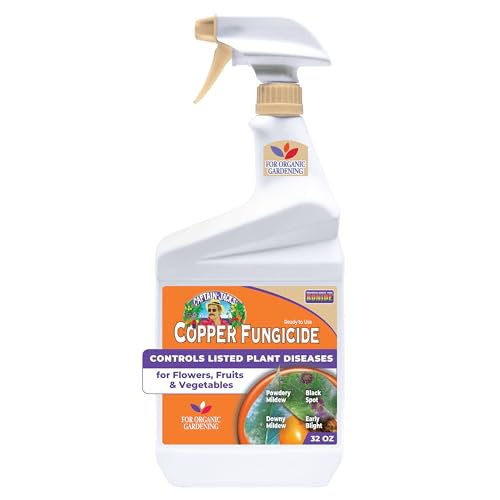
2 Apply an organic fungicide spray to the remaining foliage to control active fungal pathogens like Black Spot or Botrytis.
3 Improve air circulation around the plant and avoid overhead watering to keep the foliage dry and less hospitable to fungal growth.
warning

Nutrient Deficiency (Nitrogen)

Small container-grown miniature roses deplete soil nutrients very rapidly. A lack of nitrogen prevents the plant from maintaining foliage, leading to chlorosis and eventual leaf drop.

Common
lightbulb
How to confirm: Look for a uniform yellowing of the older, lower leaves before they fall.
build How to fix it
shopping_cart Recommended Products
1 Apply a nitrogen-rich liquid fertilizer to quickly replenish depleted soil nutrients and support new foliage growth.
2 Check the soil moisture levels using a moisture meter to ensure the nitrogen uptake isn't being hindered by overwatering or underwatering.
3 Repot the miniature rose into fresh, nutrient-dense potting soil to provide a long-term reservoir of essential minerals.

Other Miniature Rose problems

Your plant might also be experiencing one of these issues:

local_hospital All symptoms eco All plants with sudden leaf drop
favorite