Monstera deliciosa Leggy Stems
eco Leggy Stems

Monstera deliciosa – Leggy Stems

Why does your Monstera deliciosa have leggy stems? Diagnose the cause and fix it with our step-by-step guide.

search Possible Causes

error

Insufficient Light

Monstera deliciosa is phototropic, meaning it will stretch its internodes (the space between leaves) to search for a light source. Low light levels prevent the plant from producing enough energy to develop thick, sturdy stems and large fenestrations.

Very Common
lightbulb
How to confirm: Observe if the new growth is significantly paler than old leaves and if the plant is leaning heavily toward a window.
build How to fix it
shopping_cart Recommended Products
1 Move your Monstera to a location with brighter, indirect light to prevent further stretching and encourage leaf development.
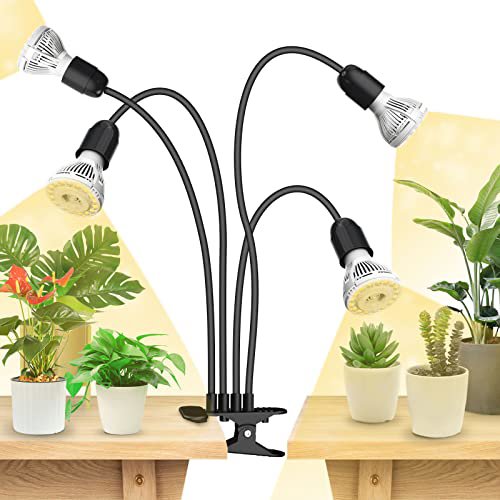
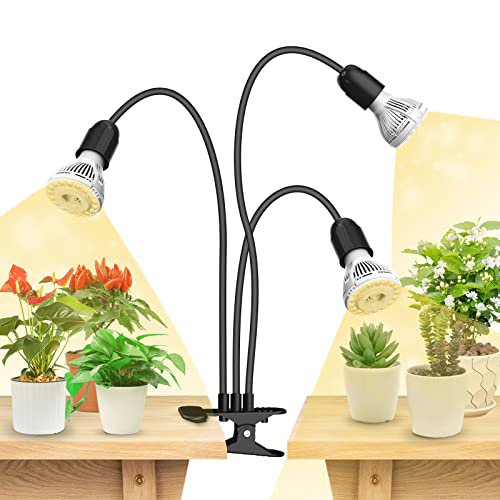
2 Supplement existing lighting with a full-spectrum grow light to provide the necessary energy for sturdy stem growth.
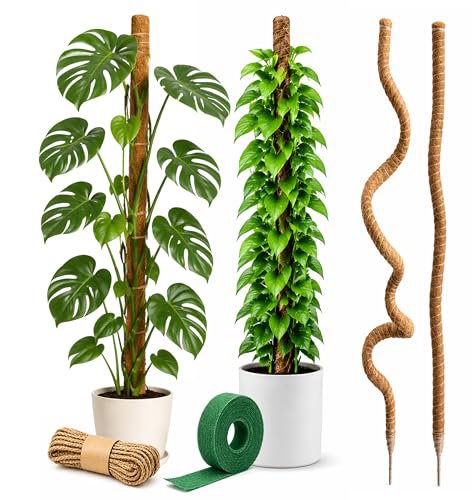
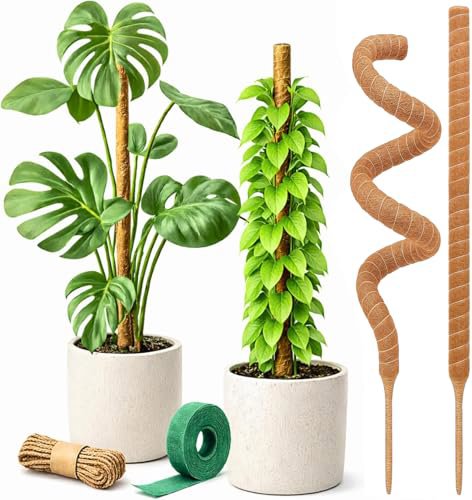
3 Provide physical support for the elongated stems using a moss pole to encourage the plant to climb and develop thicker growth.
error

Improper Pruning/Support

Without a moss pole or trellis to climb, Monstera stems naturally sprawl and elongate. This lack of vertical structure can cause the plant to appear 'leggy' as it searches for something to anchor its aerial roots.

Very Common
lightbulb
How to confirm: Check if your Monstera has access to a sturdy vertical support like a coco coir pole.
build How to fix it
shopping_cart Recommended Products
1 Provide a vertical structure like a moss pole to allow the plant to climb and anchor its aerial roots.
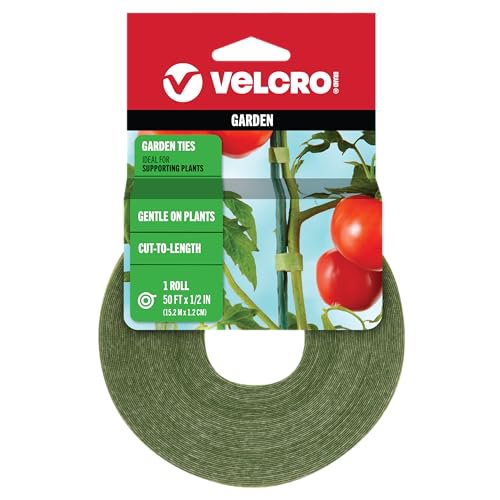
2 Use soft ties to securely attach the stems to the support pole, guiding them upward to prevent further stretching.
3 Prune any excessively long, weak stems using sharp, clean shears to encourage bushier growth.
warning

Excessive Nitrogen (Over-fertilization)

An abundance of nitrogen-rich fertilizer can trigger rapid, succulent growth that lacks structural integrity. This results in fast-growing, thin stems that cannot support the weight of the developing leaves.

Common
lightbulb
How to confirm: Review your fertilization schedule to see if high-nitrogen products were used recently during a growth spurt.
build How to fix it
shopping_cart Recommended Products
1 Flush the soil with plenty of fresh, room-temperature water to leach out excess nitrogen salts from the root zone.
2 Transition to a balanced or lower-nitrogen fertilizer and avoid high-nitrogen products like Grow Big during this recovery phase.
3 Provide increased indirect light to help the plant strengthen its stems and support new, sturdier growth.
warning

Temperature Fluctuations

Sudden drops in temperature or exposure to cold drafts can stress the plant, causing it to cease robust development and instead focus on rapid, weak elongation as a survival response to changing environmental stressors.

Common
lightbulb
How to confirm: Check if the plant is located near an air conditioning vent or a drafty window.
build How to fix it
shopping_cart Recommended Products
1 Relocate your Monstera to a stable environment away from cold drafts, windows, or air conditioning vents to prevent further temperature stress.
2 Provide supplemental lighting to encourage stronger, more compact growth and reduce the plant's tendency to stretch toward light sources.
3 Support the elongated stems using a sturdy moss pole to guide growth and encourage the development of aerial roots.
local_hospital All symptoms eco All plants with leggy stems
favorite