Narcissus Abba Yellow Leaves
eco Yellow Leaves

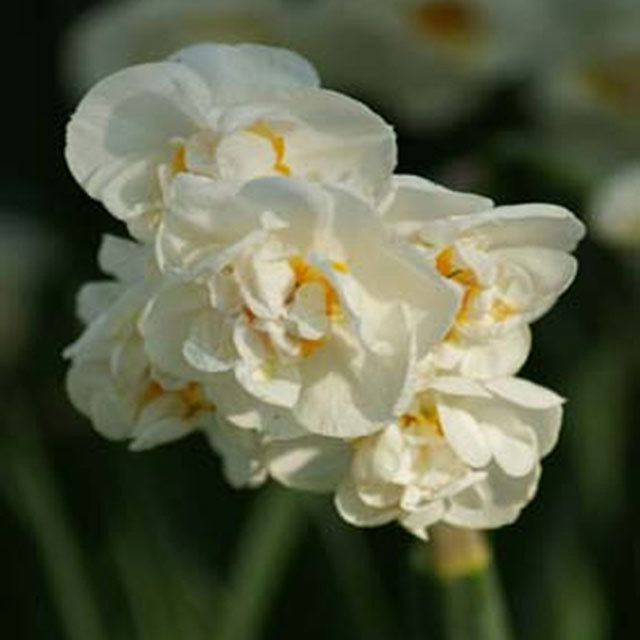
Narcissus Abba – Yellow Leaves

Why does your Narcissus Abba have yellow leaves? Diagnose the cause and fix it with our step-by-step guide.

search Possible Causes

error

Natural Senescence

After blooming, it is physiologically normal for Narcissus leaves to turn yellow and die back as the plant redirects energy into the bulb for next year's growth. This process usually begins mid-to-late summer.

Very Common
lightbulb
How to confirm: Check if the flowers have recently finished blooming and if the rest of the bulb appears healthy.
build How to fix it
shopping_cart Recommended Products
1 Allow the leaves to turn yellow and die back naturally; do not cut them off until they are completely brown to ensure the bulb stores enough energy for next year.
2 Once the foliage has completely withered, carefully remove and dispose of the dead leaves to prevent fungal growth in the garden.
3 Ensure the bulb remains in well-draining soil to prevent rot during the dormant period; consider adding organic matter like worm castings to enrich the bulb for next season.
error

Overwatering/Soil Saturation

Narcissus bulbs are highly susceptible to fungal rot if left in waterlogged soil. Excessive moisture prevents oxygen from reaching the roots, causing rapid yellowing of foliage and eventual bulb decay.

Very Common
lightbulb
How to confirm: Feel the soil depth; if it remains muddy days after rain or watering, drainage is likely insufficient.
build How to fix it
shopping_cart Recommended Products
1 Immediately check the soil moisture level using a meter to confirm saturation and stop all watering until the top inch of soil is dry.
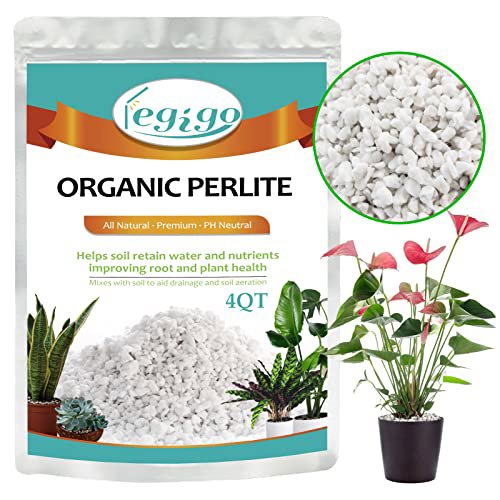
2 Repot the bulb into a well-draining medium, incorporating perlite to improve aeration and prevent future waterlogging.
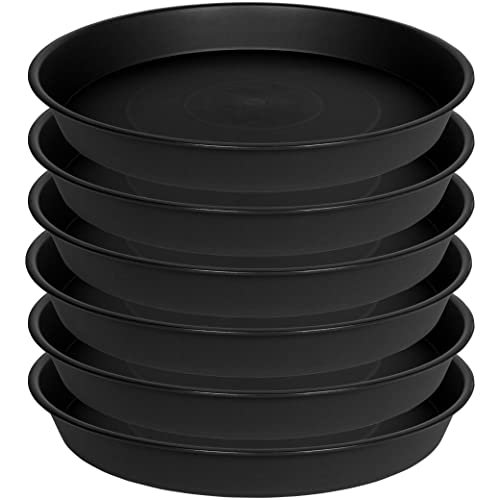
3 Ensure the plant is in a container with adequate drainage and use a saucer to catch excess water, emptying it promptly after watering.
warning

Nitrogen Deficiency

A lack of available nitrogen in the growing medium prevents chlorophyll production. In daffodils, this often manifests as a uniform yellowing of older leaves before newer growth appears.

Common
lightbulb
How to confirm: Observe if the yellowing started on the oldest leaves first and consider applying a balanced spring fertilizer.
build How to fix it
shopping_cart Recommended Products
1 Apply a nitrogen-rich organic fertilizer to the soil to restore chlorophyll production and green up the foliage.
2 Supplement the growing medium with organic worm castings to provide a slow-release source of nitrogen and beneficial microbes.
3 Monitor soil moisture levels with a moisture meter to ensure nitrogen is being effectively delivered to the roots without causing waterlogging.
warning

Botrytis Lari (Bulb Rot)

Fungal pathogens like Botrytis can attack the foliage and bulbs, especially in cool, damp conditions. This typically presents as yellowing accompanied by soft, brownish spots on the leaves.

Common
lightbulb
How to confirm: Inspect the base of the leaves for any signs of mushy texture or dark, water-soaked lesions.
build How to fix it
shopping_cart Recommended Products
1 Remove and discard all yellowing or spotted foliage immediately to prevent the fungal pathogen from spreading to healthy leaves and bulbs.
2 Improve air circulation and reduce moisture around the base of the plant by avoiding overhead watering and ensuring the soil is well-draining.
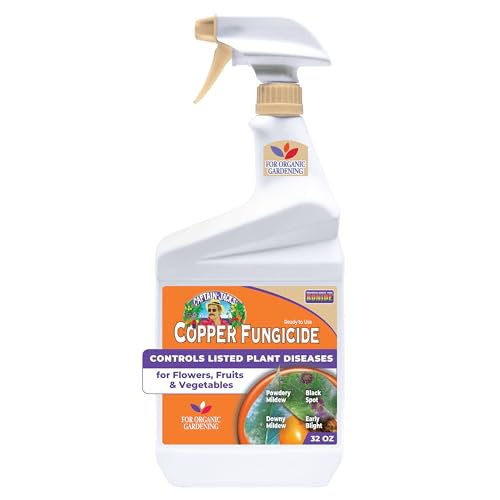
3 Apply an organic fungicide to protect the remaining healthy tissue from further fungal infection.
local_hospital All symptoms eco All plants with yellow leaves
favorite