Narcissus Dutch Master Drooping Leaves
eco Drooping Leaves

Narcissus Dutch Master – Drooping Leaves

Why does your Narcissus Dutch Master have drooping leaves? Diagnose the cause and fix it with our step-by-step guide.

search Possible Causes

error

Overwatering and Soil Drainage Issues

Narcissus bulbs are highly susceptible to fungal rot if kept in saturated soil. Excessive moisture prevents oxygen from reaching the bulb, causing the foliage to lose turgidity and wilt.

Very Common
lightbulb
How to confirm: Gently press the soil near the bulb; if it feels muddy or smells of decay, the bulb may be rotting.
build How to fix it
shopping_cart Recommended Products
1 Immediately stop watering and allow the soil to dry out completely to prevent bulb rot.
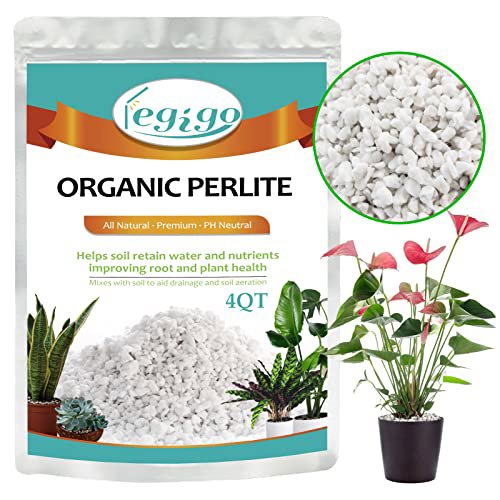
2 Repot the bulb in a well-draining medium, incorporating perlite to improve aeration and prevent water pooling.
3 Ensure the plant is in a container with adequate drainage and use a saucer to catch excess water, emptying it after use.
error

Botrytis Lati Buli (Bulb Rot)

This fungal pathogen attacks the bulb and leaves, causing themes to soften and droop. It thrives in cool, damp spring conditions typical for Narcissus growth.

Very Common
lightbulb
How to confirm: Inspect the base of the leaves for any brownish, mushy lesions or fuzzy grey mold growth.
build How to fix it
shopping_cart Recommended Products
1 Remove and discard all infected plant material and bulbs immediately to prevent the spread of the fungus to healthy plants.
2 Apply an organic fungicide to the remaining healthy foliage and soil to control the spread of Botrytis.
3 Improve air circulation and ensure the soil is well-draining to prevent the damp conditions that allow bulb rot to thrive.
warning

Nutrient Deficiency (Nitrogen)

A lack of nitrogen prevents the 'Dutch Master' from maintaining structural strength in its foliage. This often manifests as pale green leaves that eventually collapse under their own weight.

Common
lightbulb
How to confirm: Check if the drooping leaves are also showing signs of yellowing, starting from the older leaves first.
build How to fix it
shopping_cart Recommended Products
1 Apply a nitrogen-rich liquid fertilizer to boost foliage strength and restore the deep green color of the leaves.
2 Monitor the soil moisture levels using an analog meter to ensure the plant is not also suffering from overwatering, which can mimic nitrogen deficiency symptoms.
3 Ensure the plant is receiving adequate sunlight to support the metabolic processes required for nutrient uptake.
warning

Temperature Stress (Heat Exhaustion)

If temperatures rise too quickly before the plant has finished its spring cycle, the foliage may wilt to conserve moisture. This is common if the Narcissus is planted in a location that receives sudden intense afternoon sun.

Common
lightbulb
How to confirm: Check if the drooping occurs primarily during the hottest part of the day and recovers at night.
build How to fix it
shopping_cart Recommended Products
1 Move the plant to a cooler, shaded location to protect it from intense afternoon sun and reduce heat-induced transpiration.
2 Monitor soil moisture levels closely to ensure the plant remains hydrated without becoming waterlogged during heat waves.
3 Apply a mulch layer around the base of the bulb to help regulate soil temperature and retain moisture.
local_hospital All symptoms eco All plants with drooping leaves
favorite