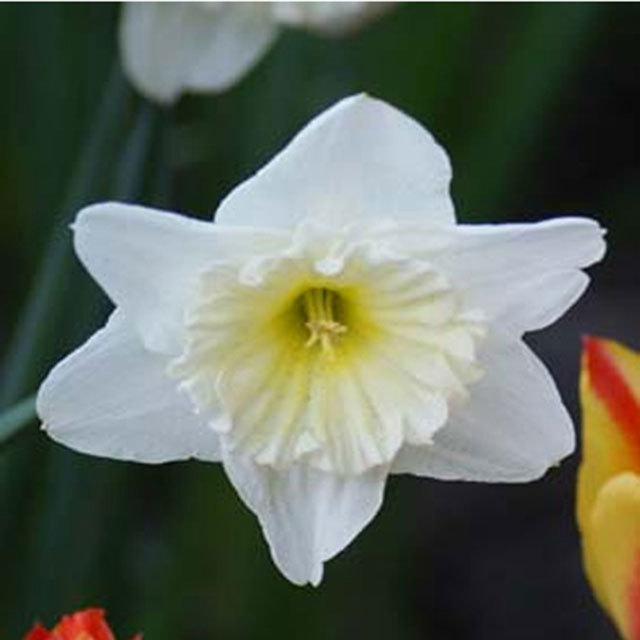
Narcissus Ice Follies Drooping Leaves
eco Drooping Leaves

Narcissus Ice Follies – Drooping Leaves

Why does your Narcissus Ice Follies have drooping leaves? Diagnose the cause and fix it with our step-by-step guide.

search Possible Causes

error

Botrytis Latiis (Narcissus Fire)

This fungal pathogen attacks the foliage of Narcissus, causing leaves to wilt, turn brown, and eventually collapse. It thrives in high humidity and cool, wet conditions common during spring.

Very Common
lightbulb
How to confirm: Check for small, water-soaked lesions on the leaves that rapidly expand into necrotic patches.
build How to fix it
shopping_cart Recommended Products
1 Remove and destroy all infected, drooping, or brown foliage immediately to prevent the fungal spores from spreading to healthy plants.
2 Apply an organic fungicide to the affected area to control the spread of the pathogen.
3 Improve air circulation around your Narcissus and avoid overhead watering to reduce the high humidity that allows Botrytis to thrive.
error

Overwatering or Soil Saturation

Excessive moisture in the bulb zone leads to oxygen deprivation and root rot. As the roots decay, they can no longer support the structural integrity of the 'Ice Follies' foliage, causing it to droop.

Very Common
lightbulb
How to confirm: Feel the soil depth around the bulb; if it is muddy or holds water for long periods, drainage is likely insufficient.
build How to fix it
shopping_cart Recommended Products
1 Immediately check the soil moisture level using a probe to confirm saturation and allow the soil to dry out completely before the next watering.
2 Repot the bulbs into a well-draining medium, incorporating perlite or horticultural grit to improve aeration and prevent future waterlogging.
3 Ensure the plant is in a container with adequate drainage and use a saucer to catch excess water, making sure not to let the pot sit in standing water.
warning

Bulb Rot (Fusarium or Pythium)

Pathogens attacking the basal plate of the Narcissus bulb can compromise the vascular system. This prevents water from reaching the leaves, resulting in sudden drooping despite adequate soil moisture.

Common
lightbulb
How to confirm: Carefully dig up one bulb to see if it feels soft, slimy, or has a foul odor.
build How to fix it
shopping_cart Recommended Products
1 Immediately remove the affected bulb from the soil to inspect for soft, mushy, or foul-smelling tissue at the basal plate.
2 Discard any bulbs showing clear signs of rot and sterilize your gardening tools using an alcohol solution to prevent spreading the pathogen.
3 Repot healthy bulbs into fresh, well-draining medium enriched with organic matter to promote a healthy root zone.
warning

Heat Stress / High Transpiration

If temperatures rise too quickly before the foliage has finished its growth cycle, the plant may wilt to conserve moisture. This is common if 'Ice Follies' are planted in a spot with intense afternoon sun.

Common
lightbulb
How to confirm: Observe if the leaves recover and perk up during the cooler evening or early morning hours.
build How to fix it
shopping_cart Recommended Products
1 Move the plant to a cooler location with dappled sunlight or afternoon shade to reduce transpiration rates and prevent further wilting.
2 Monitor soil moisture levels closely to ensure the plant remains hydrated during heat spikes, using a moisture meter to prevent both dehydration and overwatering.
3 Apply a layer of organic mulch around the base of the bulbs to help regulate soil temperature and retain essential moisture.
local_hospital All symptoms eco All plants with drooping leaves
favorite