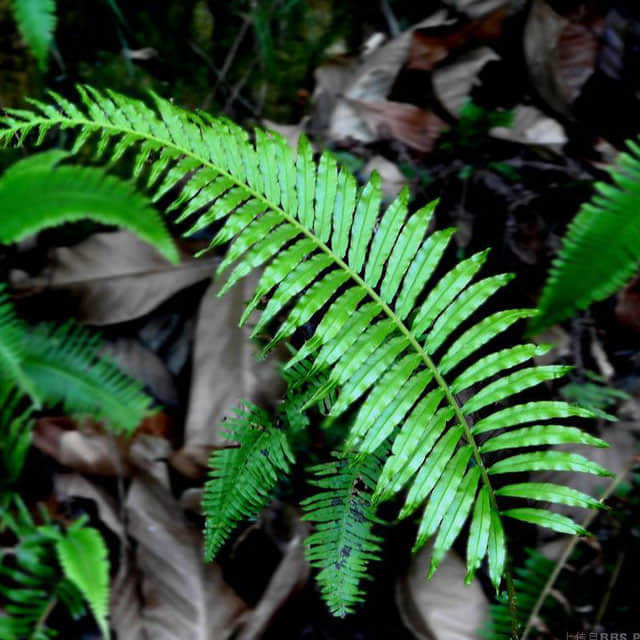
Nephrolepis obliterata Fine Webbing
eco Fine Webbing

Nephrolepis obliterata – Fine Webbing

Why does your Nephrolepis obliterata have fine webbing? Diagnose the cause and fix it with our step-by-step guide.

pets Pet Friendly

search Possible Causes

error

Two-Spotted Spider Mite Infestation

Spider mites thrive in the low humidity environments common for Boston Ferns, creating fine silk webbing to protect themselves and their eggs. These microscopic arachnids pierce the fronds to suck out chlorophyll, leading to stippling or yellowing of the leaflets.

Very Common
lightbulb
How to confirm: Hold a white piece of paper beneath a frond and tap it sharply to see if tiny moving dots fall onto the paper.
build How to fix it
shopping_cart Recommended Products
1 Immediately spray the plant with an organic miticide or insecticide to kill the spider mites and their eggs.
2 Increase local humidity around the fern by using a fine mist spray bottle to prevent future mite outbreaks.
3 Gently wipe the fronds with a damp cloth to physically remove the webbing and any remaining mites from the leaves.
warning

Tetranychus urticae (European Red Spider Mite)

A specific subspecies that is highly aggressive in indoor settings with dry air. The webbing becomes denser as the population grows, often concentrated on the undersides of the Boston Fern's pinnae.

Common
lightbulb
How to confirm: Inspect the underside of the leaves for tiny reddish or orange speckles near the web junctions.
build How to fix it
shopping_cart Recommended Products
1 Apply an organic insecticide spray to the undersides of the leaves to eliminate the spider mite population and destroy any remaining eggs.
2 Increase local humidity around the fern by using a fine mist spray bottle to create a more hostile environment for mites.
3 Gently wipe the leaves with a damp cloth to physically remove webbing and any visible mites from the plant surface.
warning

Dust Accumulation and Desiccation

While not biological webbing, heavy dust buildup on Nephrolepis fronds can sometimes be mistaken for fine webs in low light. This layer prevents gas exchange and contributes to the drying out of the delicate fern leaflets.

Common
lightbulb
How to confirm: Wipe a single frond with a damp cloth; if the 'webbing' disappears and the leaf looks clean, it is likely just dust.
build How to fix it
shopping_cart Recommended Products
1 Gently wipe the fern fronds with a damp cloth or use a fine mist spray to remove dust buildup and restore gas exchange.
2 Increase local humidity around the plant to prevent leaflet desiccation, especially if the air is dry.
3 Monitor soil moisture levels closely to ensure the plant remains consistently moist without becoming waterlogged.

Other Nephrolepis obliterata problems

Your plant might also be experiencing one of these issues:

local_hospital All symptoms eco All plants with fine webbing
favorite