Onion Superon F1 Drooping Leaves
eco Drooping Leaves

Onion Superon F1 – Drooping Leaves

Why does your Onion Superon F1 have drooping leaves? Diagnose the cause and fix it with our step-by-step guide.

search Possible Causes

error

Downy Mildew (Peronospora destructor)

This oomycete pathogen thrives in cool, moist conditions and causes the leaves of Superon F1 to wilt and droop as the fungal hyphae invade leaf tissue. It often presents with purplish-grey patches on the upper surface before the entire leaf collapses.

Very Common
lightbulb
How to confirm: Look for a fine, greyish-purple moldy growth on the underside of the drooping leaves during humid mornings.
build How to fix it
shopping_cart Recommended Products
1 Apply an organic fungicide to control the spread of the pathogen and protect healthy leaf tissue.
2 Remove and destroy heavily infected leaves immediately to prevent the pathogen from spreading to healthy plants.
3 Improve air circulation and reduce moisture around the foliage by avoiding overhead watering and ensuring proper plant spacing.
error

Water Stress (Drought or Waterlogging)

Onions have shallow root systems and are highly sensitive to fluctuations in soil moisture. Both extreme drought and anaerobic conditions from waterlogged soil can cause the turgor pressure in Superon F1 leaves to drop, leading to visible drooping.

Very Common
lightbulb
How to confirm: Check the soil moisture at a depth of 2-3 cm; if it is bone dry or muddy/saturated, irrigation needs adjustment.
build How to fix it
shopping_cart Recommended Products
1 Check the soil moisture level at the root zone using a moisture meter to determine if the soil is bone-dry or saturated.
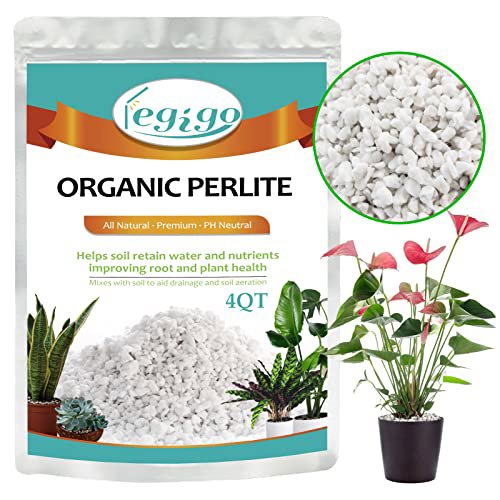
2 If the soil is dry, apply water deeply and evenly to the base of the plants; if waterlogged, improve drainage by adding perlite or coarse sand to the soil.
3 Ensure the planting area has adequate drainage to prevent future anaerobic conditions that lead to root rot.
warning

Allium Leaf Miner (Delia scripta)

The larvae of this pest tunnel through the internal leaf tissue of the onion, disrupting the vascular flow of nutrients and water. This structural damage causes the leaves to lose rigidity and appear limp or wilted.

Common
lightbulb
How to confirm: Inspect the base of the drooping leaves for small holes or visible tunneling tracks within the fleshy tissue.
build How to fix it
shopping_cart Recommended Products
1 Inspect the base of the onion leaves for small tunnels or larvae; if found, remove and destroy the affected plant material immediately to prevent further spread.
2 Apply an organic insecticide to the plant to target any remaining larvae or adult flies, such as Bonide Captain Jack's Neem Oil.
3 Monitor soil moisture levels closely using a moisture meter to ensure the plant is not also suffering from drought stress, which can exacerbate drooping.
warning

Nitrogen Deficiency

Nitrogen is critical for the development of lush, upright foliage in Superon F1. A lack of available nitrogen prevents the plant from building strong cell walls, resulting in weak, drooping, and pale green leaves.

Common
lightbulb
How to confirm: Observe if the drooping is accompanied by a uniform yellowing (chlorosis) starting from the older, bottom leaves.
build How to fix it
shopping_cart Recommended Products
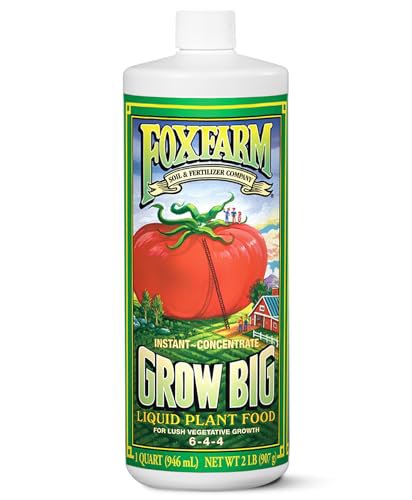
1 Apply a nitrogen-rich liquid fertilizer to provide immediate nutrient uptake and help green up the pale, drooping leaves.
2 Incorporate an organic nitrogen source into the soil to support long-term foliage development and stronger cell wall construction.
3 Monitor soil moisture levels to ensure nitrogen is being effectively transported to the roots without causing waterlogging.

Other Onion Superon F1 problems

Your plant might also be experiencing one of these issues:

local_hospital All symptoms eco All plants with drooping leaves
favorite