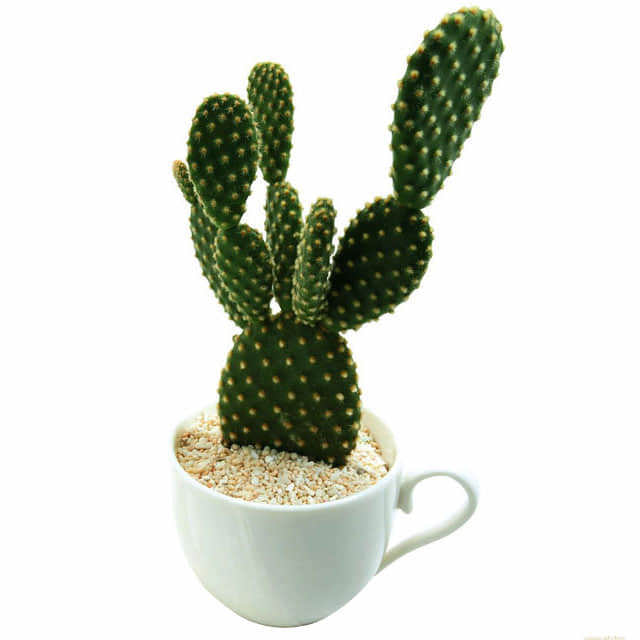
Opuntia microdasys White Cottony Spots
eco White Cottony Spots

Opuntia microdasys – White Cottony Spots

Why does your Opuntia microdasys have white cottony spots? Diagnose the cause and fix it with our step-by-step guide.

search Possible Causes

error

Mealybugs

These small, soft-bodied insects secrete a white, waxy, cottony substance to protect themselves while feeding on the sap of the Opuntia pads. They often cluster in the crevices where the pads meet or near the areoles.

Very Common
lightbulb
How to confirm: Use a cotton swab dipped in rubbing alcohol to dab the spots; if the white mass dissolves and turns brown, it is likely mealybugs.
build How to fix it
shopping_cart Recommended Products
1 Isolate the cactus from other plants immediately to prevent the mealybugs from spreading to your entire collection.
2 Apply an organic insecticide spray to the affected areas, ensuring you target the crevices and areoles where the white cottony clusters are located.
3 Use a cotton swab dipped in isopropyl alcohol to manually remove visible mealybug clusters from the cactus pads.
warning

Cottony Scale

Similar to mealybugs, scale insects can produce white, fluffy secretions that look like cotton. They attach themselves firmly to the skin of the cactus pads to suck nutrients.

Common
lightbulb
How to confirm: Gently scratch the white spot with your fingernail to see if there is a hard, shell-like insect underneath.
build How to fix it
shopping_cart Recommended Products
1 Treat the cactus with an organic insecticide spray to eliminate the scale insects and their white secretions.
2 Manually remove visible scale insects using a cotton swab dipped in isopropyl alcohol to prevent further spread.
3 Isolate the cactus from other plants to prevent the scale insects from migrating to your healthy greenery.
warning

Mold or Fungal Growth

In environments with high humidity and poor airflow, certain fungal species can manifest as white, fuzzy patches on the surface of the cactus. This is often a secondary symptom of localized rot due to excess moisture.

Common
lightbulb
How to confirm: Check if the underlying cactus tissue feels soft or mushy rather than firm.
build How to fix it
shopping_cart Recommended Products
1 Remove any visibly affected areas using sterilized tools and increase airflow around the cactus to reduce humidity.
2 Apply an organic fungicide to treat the fungal growth and prevent further spread.
3 Repot the cactus in a well-draining cactus mix and ensure the container has excellent drainage to prevent future moisture buildup.
local_hospital All symptoms eco All plants with white cottony spots
favorite