Opuntia vulgaris White Cottony Spots
eco White Cottony Spots

Opuntia vulgaris – White Cottony Spots

Why does your Opuntia vulgaris have white cottony spots? Diagnose the cause and fix it with our step-by-step guide.

search Possible Causes

error

Cottony Cushion Scale

This is the most common cause of white, cottony masses on Opuntia. These scale insects secrete a waxy, white substance to protect themselves while they suck nutrients from the cactus pads.

Very Common
lightbulb
How to confirm: Check under the white fuzz for small, oval-shaped insects firmly attached to the pad surface.
build How to fix it
shopping_cart Recommended Products
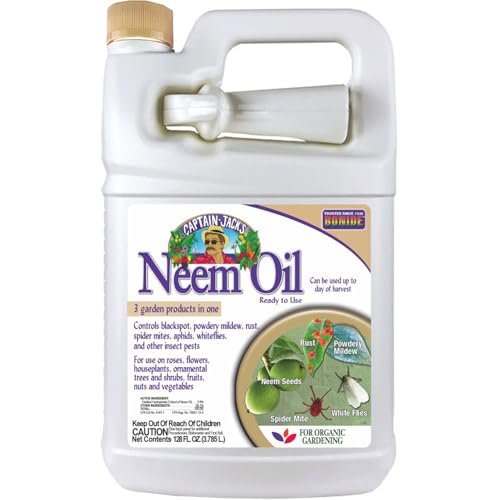
1 Apply an organic insecticide spray to the cactus pads to eliminate the scale insects and their protective waxy coating.
2 Manually remove large cottony masses using a soft brush or cotton swab dipped in isopropyl alcohol to prevent further spread.
3 Inspect nearby plants and increase airflow around the cactus to discourage future pest infestations.
error

Mealybugs

Mealybugs are small, soft-bodied insects that produce white, powdery secretions. They often congregate in the crevices between the Opuntia pads and near the areoles.

Very Common
lightbulb
How to confirm: Use a cotton swab dipped in isopropyl alcohol to dab the spots; if they dissolve and turn brown, it is likely mealybugs.
build How to fix it
shopping_cart Recommended Products
1 Treat the cactus with an organic insecticide spray to eliminate existing mealybug colonies and prevent further infestation.
2 Manually remove visible mealybugs from the crevices and areoles using a cotton swab dipped in isopropyl alcohol.
3 Monitor the soil moisture levels with a meter to ensure the environment is not overly damp, which can encourage pest activity.
warning

Sooty Mold (Secondary infection)

While not a primary cause of white spots, sooty mold grows on the 'honeydew' left behind by scale or mealybugs. This can appear as dark patches, but may be accompanied by white fungal filaments.

Common
lightbulb
How to confirm: Look for sticky residue on the pads preceding the appearance of dark or fuzzy growth.
build How to fix it
shopping_cart Recommended Products
1 Inspect the cactus closely for small, white, waxy insects (mealybugs) or armored scales that produce the honeydew feeding the mold.
2 Gently wipe away the white cottony spots and dark mold patches using a soft cloth dipped in a solution of neem oil or insecticidal soap.
3 Ensure the cactus has excellent airflow and avoid overwatering to prevent the humid conditions that allow fungal filaments to thrive.
local_hospital All symptoms eco All plants with white cottony spots
favorite