Origanum majorana White Powder
eco White Powder

Origanum majorana – White Powder

Why does your Origanum majorana have white powder? Diagnose the cause and fix it with our step-by-step guide.

pets Pet Friendly

search Possible Causes

error

Powdery Mildew

This fungal disease is caused by Oomycetes or Ascomycetes fungi, which thrive in high humidity and stagnant air around the Marjoram foliage. It creates a characteristic white, flour-like coating on leaves and stems, eventually causing them to shrivel.

Very Common
lightbulb
How to confirm: Inspect the underside of the leaves for early fuzzy patches that look like spilled talcum powder.
build How to fix it
shopping_cart Recommended Products
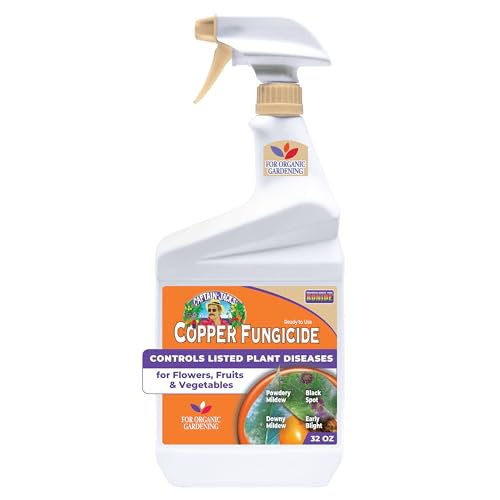
1 Apply an organic fungicide to eliminate the existing fungal spores and prevent further spread across the foliage.
2 Prune and dispose of heavily infected leaves to reduce the fungal load and improve airflow around the plant.
3 Increase air circulation around the Marjoram and avoid overhead watering to ensure the foliage stays dry.
warning

Mealybugs

These small, soft-bodied insects secrete a white, waxy substance to protect themselves, which can mimic a powdery appearance on the stems and leaf axils of Origanum majorana. They suck the sap from the plant, causing leaves to yellow and wilt.

Common
lightbulb
How to confirm: Use a magnifying glass to look for tiny, slow-moving insects or cottony clumps tucked into the stem junctions.
build How to fix it
shopping_cart Recommended Products
1 Isolate the plant immediately to prevent the mealybugs from spreading to other greenery and use a cotton swab dipped in isopropyl alcohol to manually remove visible white waxy clusters.
2 Apply an organic insecticide spray to the entire plant, ensuring you coat the undersides of leaves and stem crevices where pests hide.
3 Monitor the soil moisture levels to ensure the plant is not overwatered, as excess moisture can create a humid environment favorable to pest outbreaks.
warning

Botrytis (Gray Mold) - Early Stage

In very moist conditions, Botrytis can manifest as a light, fuzzy growth on decaying floral or leaf tissue before turning distinctly gray. It is particularly common in Marjoram when the plant has poor air circulation.

Common
lightbulb
How to confirm: Check if the white patches are accompanied by soft, decaying, or browning plant tissue.
build How to fix it
shopping_cart Recommended Products
1 Prune away any affected leaves or floral tissue immediately to prevent the fungus from spreading to healthy parts of the plant.
2 Apply an organic fungicide to control the spread of the mold and protect remaining healthy tissue.
3 Improve air circulation around the plant and reduce moisture by ensuring the soil is not waterlogged and the plant is not overwatered.

Other Origanum majorana problems

Your plant might also be experiencing one of these issues:

local_hospital All symptoms eco All plants with white powder
favorite