Origanum vulgare Leggy Stems
eco Leggy Stems

Origanum vulgare – Leggy Stems

Why does your Origanum vulgare have leggy stems? Diagnose the cause and fix it with our step-by-step guide.

search Possible Causes

error

Insufficient Light Intensity

Oregano is a sun-loving Mediterranean herb that requires at least 6-8 hours of direct sunlight. When light is low, the plant undergoes etiolation, stretching its internodes to search for a light source.

Very Common
lightbulb
How to confirm: Observe if the stems are pale and thin, and check if they are leaning towards the nearest window or light source.
build How to fix it
shopping_cart Recommended Products
1 Increase light exposure by moving the plant to a south-facing window that receives at least 6-8 hours of direct sunlight daily.
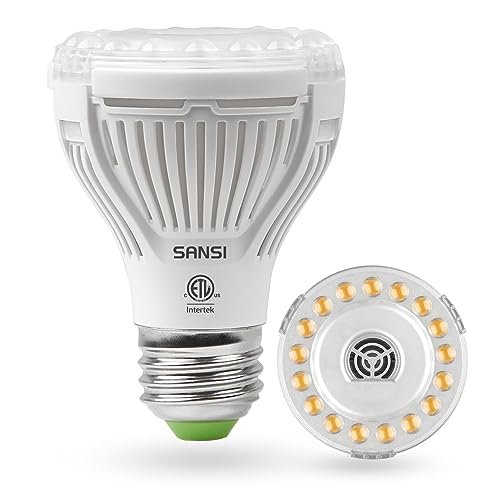
2 Supplement with a full-spectrum grow light to provide the necessary intensity for Mediterranean herbs.
3 Prune the leggy, stretched stems back to encourage bushier growth and prevent the plant from collapsing.
warning

Excessive Nitrogen Fertilization

High levels of nitrogen promote rapid, succulent vegetative growth which can result in weak, spindly stems that lack structural integrity. This creates lush green foliage but lacks the essential oils and sturdiness characteristic of healthy oregano.

Common
lightbulb
How to confirm: Check your recent fertilizer use for high N-P-K ratios and look for unusually dark green, soft leaves.
build How to fix it
shopping_cart Recommended Products
1 Stop all nitrogen-rich fertilization immediately to allow the plant to stabilize and prevent further succulent growth.
2 Prune back the long, spindly stems to encourage bushier, sturdier growth and improve airflow through the plant.
3 Flush the soil with plain, room-temperature water to help leach out excess nitrogen salts from the root zone.
warning

Overwatering and Poor Drainage

Constant moisture in the substrate can lead to weakened root systems, making it difficult for the plant to support its own weight. This often results in a lack of structural density in the stems.

Common
lightbulb
How to confirm: Stick your finger two inches into the soil; if it feels soggy or smells slightly sour, drainage is likely an issue.
build How to fix it
shopping_cart Recommended Products
1 Immediately reduce watering frequency and allow the top inch of soil to dry out completely before watering again to prevent root rot.
2 Repot the oregano in a well-draining medium, incorporating perlite to improve aeration and prevent waterlogged soil.
3 Ensure the plant is in a container with adequate drainage holes and use a saucer to catch excess water, emptying it promptly.
warning

Lack of Pruning (Aging Plant)

As Origanum vulgare matures, the older stems naturally become woody and can lose their upright posture if not regularly harvested or pinched back. Without regular pruning, the plant's center becomes sparse and the outer edges appear leggy.

Common
lightbulb
How to confirm: Inspect the base of the plant to see if the lower stems have become woody and leafless compared to new growth.
build How to fix it
shopping_cart Recommended Products
1 Prune back the woody, leggy stems by cutting them back to a healthy, non-woody section of the stem to encourage new, bushy growth.
2 Regularly pinch off the growing tips of the stems to prevent the plant from becoming sparse and to maintain a compact, upright shape.
3 Ensure the plant receives plenty of direct sunlight to prevent future stretching and leggy growth.

Other Origanum vulgare problems

Your plant might also be experiencing one of these issues:

local_hospital All symptoms eco All plants with leggy stems
favorite