Pachyphytum oviferum Drooping Leaves
eco Drooping Leaves

Pachyphytum oviferum – Drooping Leaves

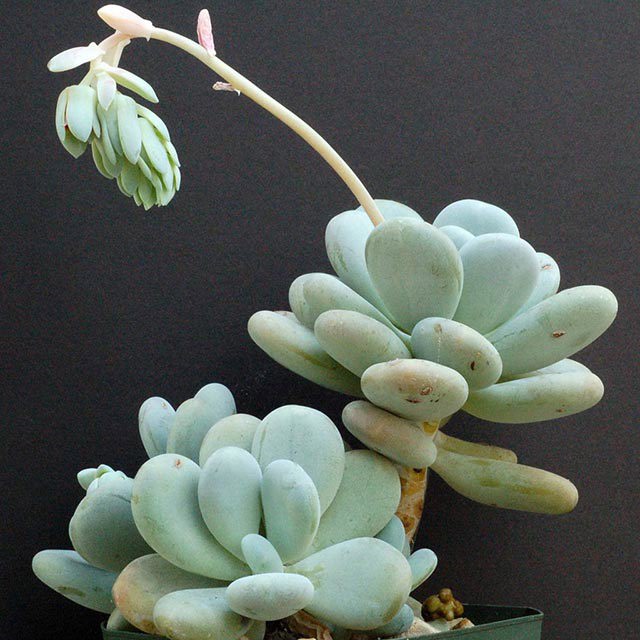
Why does your Pachyphytum oviferum have drooping leaves? Diagnose the cause and fix it with our step-by-step guide.

pets Pet Friendly

search Possible Causes

error

Overwatering and Root Rot

Pachyphytum oviferum is a succulent that stores water in its leaves; excessive moisture causes the roots to decay, preventing the plant from drawing up enough hydration to maintain turgor pressure. This leads to limp, translucent-looking leaves.

Very Common
lightbulb
How to confirm: Gently pull on a leaf to see if it detaches easily and check if the base of the stem or roots feel mushy/black.
build How to fix it
shopping_cart Recommended Products
1 Immediately remove the plant from its current pot and discard any mushy, black, or foul-smelling roots to stop the spread of rot.
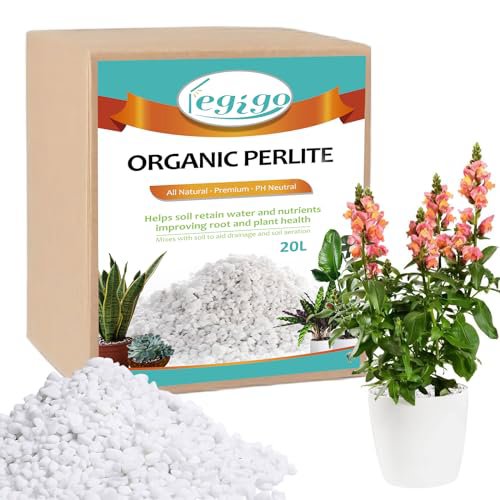
2 Repot the Moonstone in a well-draining, gritty substrate specifically designed for succulents to ensure moisture does not linger around the roots.
3 Use a moisture meter to monitor the soil, ensuring you only water when the medium is completely dry to prevent future overwatering.
error

Underwatering / Dehydration

When the soil remains dry for too long, the plant consumes its internal water reserves to survive, causing the fleshy leaves to wrinkle and droop. Unlike rot, the leaves will feel thin and shriveled rather than soft.

Very Common
lightbulb
How to confirm: Check the weight of the pot; if it feels significantly lighter than usual and the soil is bone dry, it needs a thorough soak.
build How to fix it
shopping_cart Recommended Products
1 Check the soil moisture level immediately using a moisture meter to confirm the depth of dehydration.
2 Thoroughly soak the soil with water until it drains from the bottom, ensuring the root ball is fully rehydrated.
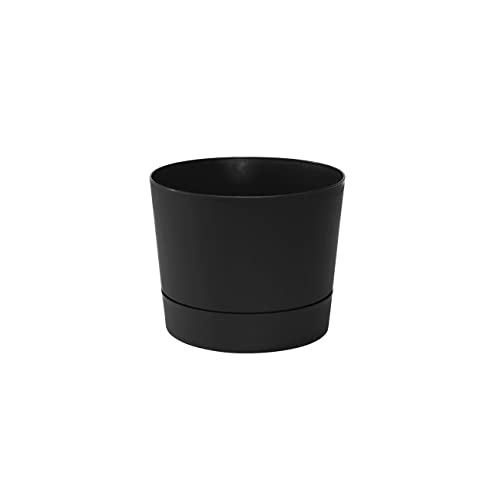
3 Ensure the plant is in a container with excellent drainage, such as a Root & Vessel cylinder pot, to prevent water from pooling and causing rot after rehydration.
warning

Temperature Stress or Heat Exhaustion

Extreme heat or direct, intense afternoon sun without adequate acclimation can cause the plant to wilt as a defense mechanism to reduce transpiration. This is common if the Moonstone has been moved suddenly to a hotter environment.

Common
lightbulb
How to confirm: Observe if the drooping occurs specifically during the hottest part of the day and recovers in the evening.
build How to fix it
shopping_cart Recommended Products
1 Move your Moonstone to a cooler location with bright, indirect light to allow the plant to recover from heat stress.
2 Monitor soil moisture levels closely to ensure the plant isn't drying out too quickly in the heat, using a moisture meter for precision.
3 If the plant shows signs of recovery but looks weak, apply a diluted liquid seaweed fertilizer to help boost resilience against environmental stress.
warning

Nutrient Deficiency

A lack of essential minerals like magnesium or potassium can weaken the cellular structure of the leaves, leading to loss of rigidity. This is more common in long-term indoor cultivation where soil nutrients have been depleted.

Common
lightbulb
How to confirm: Check for discoloration (yellowing) alongside the drooping and consider if the plant has been repotted recently.
build How to fix it
shopping_cart Recommended Products
1 Apply a liquid supplement containing essential minerals to restore cellular strength and leaf rigidity.
2 Check the soil moisture levels with a meter to ensure the drooping isn't actually caused by underwatering or root rot.
3 Refresh the growing medium with a new, nutrient-rich substrate to replenish depleted minerals.

Other Pachyphytum oviferum problems

Your plant might also be experiencing one of these issues:

local_hospital All symptoms eco All plants with drooping leaves
favorite