Paeonia suffruticosa Coral Charm White Powder
eco White Powder

Paeonia suffruticosa Coral Charm – White Powder

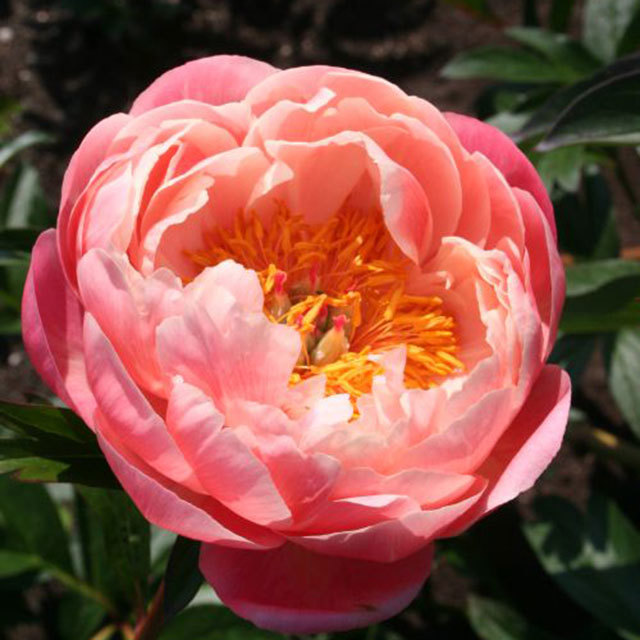
Why does your Paeonia suffruticosa Coral Charm have white powder? Diagnose the cause and fix it with our step-by-step guide.

search Possible Causes

error

Powdery Mildew (Podosphaera takatsukiensis)

This is the most common fungal disease for Tree Peonies, especially in humid conditions with poor airflow. The fungus colonizes the surface of leaves, creating a characteristic white, flour-like coating that can eventually lead to leaf yellowing and premature drop.

Very Common
lightbulb
How to confirm: Inspect the undersides of leaves and check if the white patches look like dust that can be rubbed off with a finger.
build How to fix it
shopping_cart Recommended Products
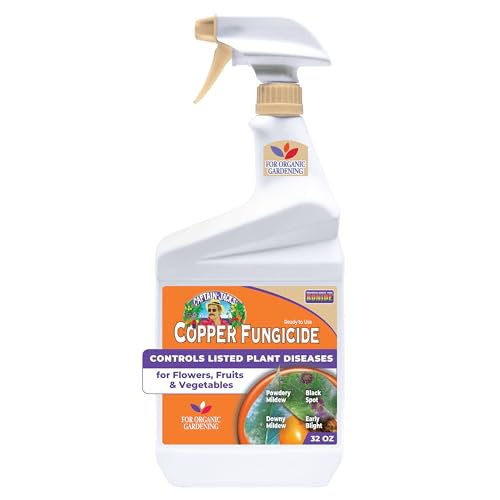
1 Apply an organic fungicide to the affected leaves to eliminate the fungal spores and prevent further spread.
2 Prune and dispose of heavily infected leaves to reduce the fungal load, ensuring you do not compost them.
3 Improve air circulation around the plant by thinning out dense foliage and avoid overhead watering to keep leaves dry.
warning

Botrytis Blight (Gray Mold)

While typically known for causing brown rot, early stages or certain environmental conditions in Paeonia suffruticosa can manifest as fuzzy, light-colored growths on decaying floral parts or foliage. This is often triggered by high humidity and wet foliage.

Common
lightbulb
How to confirm: Check if the white patches are accompanied by soft, decaying tissue or moldy buds during periods of high moisture.
build How to fix it
shopping_cart Recommended Products
1 Apply an organic fungicide to the affected areas to stop the spread of the mold and protect healthy tissue.
2 Prune and remove all infected flowers and foliage immediately, ensuring you dispose of them away from your garden to prevent spore spread.
3 Improve air circulation around the plant and avoid overhead watering to keep the foliage dry and reduce humidity levels.
warning

Mineral Deposits (Hard Water Residue)

If you are overhead watering or using well water, calcium and magnesium carbonates can precipitate on the leaf surface as water evaporates. This is not a biological pathogen but appears as white, crusty spots that do not spread.

Common
lightbulb
How to confirm: Check if the white spots are localized to areas frequently hit by water droplets and if they feel crunchy rather than fuzzy.
build How to fix it
shopping_cart Recommended Products
1 Gently wipe the leaves with a soft, damp cloth to remove the crusty mineral deposits without damaging the foliage.
2 Switch to using filtered water or rainwater for overhead watering to prevent new calcium and magnesium carbonates from precipitating on the leaves.
3 If you notice any signs of nutrient imbalance alongside the residue, supplement with a balanced liquid fertilizer to maintain plant vigor.
local_hospital All symptoms eco All plants with white powder
favorite