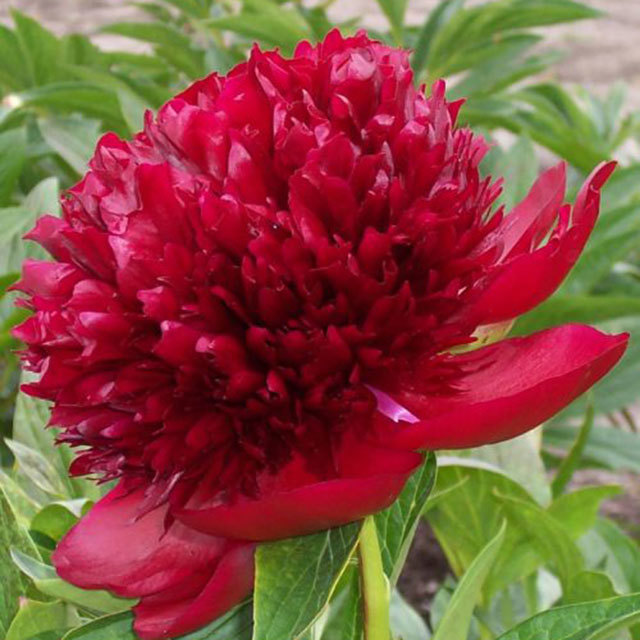
Paeonia suffruticosa Red Charm White Powder
eco White Powder

Paeonia suffruticosa Red Charm – White Powder

Why does your Paeonia suffruticosa Red Charm have white powder? Diagnose the cause and fix it with our step-by-step guide.

search Possible Causes

error

Powdery Mildew

This fungal disease, caused by Oidium species, thrives in high humidity and moderate temperatures. It presents as a white, talcum-like coating on the surface of the 'Red Charm' leaves, which can eventually lead to leaf senescence and reduced flowering.

Very Common
lightbulb
How to confirm: Check if the white patches can be rubbed off easily with your finger and if they appear primarily on the upper surfaces of older foliage.
build How to fix it
shopping_cart Recommended Products
1 Apply an organic fungicide to the affected leaves to eliminate the fungal spores and prevent further spread.
2 Prune and dispose of heavily infected leaves to reduce the fungal load on the plant, ensuring you do not compost them.
3 Improve air circulation around the peony by thinning dense foliage and avoid overhead watering to keep leaves dry.
warning

Botrytis Blight (Early Stage)

While typically associated with gray mold, early stages of Botrytis on tree peonies can sometimes appear as fuzzy, pale patches on buds or leaf margins. This is common in 'Red Charm' when moisture lingers on the dense foliage during spring.

Common
lightbulb
How to confirm: Inspect the base of the flower buds for any signs of soft, water-soaked tissue or brownish discoloration accompanying the white fuzz.
build How to fix it
shopping_cart Recommended Products
1 Apply an organic fungicide to the affected buds and leaf margins to halt the spread of the fungal spores.
2 Prune and remove any heavily infected buds or foliage, ensuring you dispose of them away from your garden to prevent further contamination.
3 Improve airflow around the dense 'Red Charm' foliage and avoid overhead watering to ensure leaves dry quickly after rain or dew.
warning

Mealybug Infestation

Small, white, cottony masses can be mistaken for powdery mildew. These insects secrete a waxy substance that protects them and appears as distinct, stationary white clumps rather than a fine dust across the entire leaf.

Common
lightbulb
How to confirm: Use a magnifying glass to look for small, slow-moving insects or concentrated 'cottony' tufts in the leaf axils and under the foliage.
build How to fix it
shopping_cart Recommended Products
1 Treat the visible white cottony masses with an organic insecticide to eliminate the mealybug population.
2 Inspect the undersides of leaves and stem crevices for any remaining insects or eggs to prevent re-infestation.
3 Wipe away any remaining waxy residue from the plant stems using a cotton swab dipped in isopropyl alcohol.
local_hospital All symptoms eco All plants with white powder
favorite


