Pelargonium Angel Eyes Tiny Black Flies
eco Tiny Black Flies

Pelargonium Angel Eyes – Tiny Black Flies

Why does your Pelargonium Angel Eyes have tiny black flies? Diagnose the cause and fix it with our step-by-step guide.

search Possible Causes

error

Fungus Gnats

The larvae of these flies live in the top layers of organic matter and feed on decaying roots or fungi. In Pelargoniums, they thrive in the consistently moist soil required by many geranium varieties, often breeding in the peat-based potting mixes used.

Very Common
lightbulb
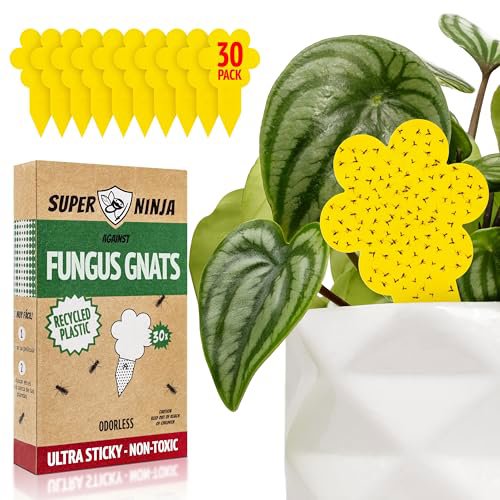
How to confirm: Place a yellow sticky trap near the soil surface to see if small dark flies are captured.
build How to fix it
shopping_cart Recommended Products
1 Deploy yellow sticky traps to capture the adult flying gnats and break the breeding cycle.
2 Reduce watering frequency and allow the top inch of soil to dry out completely to kill larvae in the organic matter.
3 Repot the plant in a well-draining medium and consider adding perlite to improve aeration and prevent future moisture retention.
warning

Sciarid Flies (Dark Winged Fungus Gnats)

These are closely related to fungus gnats but specifically target highly organic, overly saturated soils. They are attracted to the moisture levels often maintained for lush Angel Eyes blooms, leading to rapid population growth.

Common
lightbulb
How to confirm: Check if the flies are hovering specifically around the base of the stems in damp soil patches.
build How to fix it
shopping_cart Recommended Products
1 Reduce watering frequency and allow the top inch of soil to dry out completely to disrupt the flies' breeding cycle in the moist organic matter.
2 Deploy yellow sticky traps near the soil surface to capture adult flies and prevent further reproduction.
3 Apply a microbial-based soil treatment or ensure better aeration by mixing in horticultural perlite to prevent soil compaction and excess moisture retention.
warning

Soil Nutrient Deficiency causing Root Decay

While not the direct cause of the flies, root rot caused by overwatering attracts fungus gnats as they feed on the dying root tissue. If your Pelargonium's stems feel soft at the soil line, the flies are likely a secondary symptom of rot.

Common
lightbulb
How to confirm: Gently lift the plant from its pot to inspect if the roots are slimy or dark brown instead of firm and white.
build How to fix it
shopping_cart Recommended Products
1 Reduce watering frequency and allow the top inch of soil to dry completely to stop the cycle of root decay and fungus gnat attraction.
2 Deploy yellow sticky traps to capture the adult flying insects and prevent further egg-laying in the soil.
3 Repot the plant in a well-draining medium enriched with perlite to improve aeration and prevent future root rot.

Other Pelargonium Angel Eyes problems

Your plant might also be experiencing one of these issues:

local_hospital All symptoms eco All plants with tiny black flies
favorite