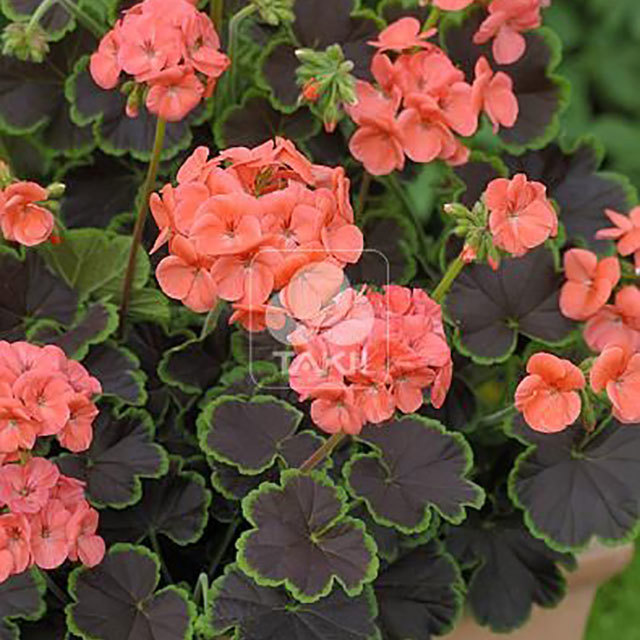
Pelargonium Black Velvet Coral White Powder
eco White Powder

Pelargonium Black Velvet Coral – White Powder

Why does your Pelargonium Black Velvet Coral have white powder? Diagnose the cause and fix it with our step-by-step guide.

search Possible Causes

error

Powdery Mildew

This fungal disease is common in Pelargoniums, especially in high humidity or poor air circulation. It manifests as white, flour-like patches on the velvety leaves and can lead to leaf distortion.

Very Common
lightbulb
How to confirm: Check if the white spots can be wiped off easily with your finger, leaving a clean area underneath.
build How to fix it
shopping_cart Recommended Products
1 Apply an organic fungicide to the affected leaves to stop the spread of the fungal spores.
2 Prune and discard any heavily infected leaves to prevent the fungus from spreading to healthy foliage.
3 Improve air circulation around the plant and reduce humidity to create an environment less hospitable to powdery mildew.
warning

Mealybugs

Small, white, cottony insects that cluster in the crevices of the stems and leaf axils. While they appear as 'powder,' they are actually waxy secretions from the insect bodies.

Common
lightbulb
How to confirm: Use a magnifying glass to look for small, moving insects or clusters tucked into the base of the leaf stems.
build How to fix it
shopping_cart Recommended Products
1 Isolate the plant immediately to prevent the mealybugs from spreading to other houseplants.
2 Treat the affected areas by spraying the plant with an organic insecticide to eliminate the insects and their waxy secretions.
3 Use yellow sticky traps to capture any remaining flying adults or migrating nymphs in the vicinity.
warning

Mineral/Salt Deposits

Excessive buildup of salts from tap water or fertilizers can crystallize on the surface of the dark leaves. This often looks like a fine, white dust that does not move.

Common
lightbulb
How to confirm: Try wiping a leaf with distilled water to see if the white residue dissolves completely.
build How to fix it
shopping_cart Recommended Products
1 Gently wipe the dark leaves with a soft, damp cloth to remove the crystallized salt deposits without damaging the foliage.
2 Flush the soil thoroughly with distilled or rainwater to leach out excess mineral salts from the root zone.
3 Switch to using a high-quality, low-salt fertilizer and monitor soil moisture levels to prevent future buildup.
local_hospital All symptoms eco All plants with white powder
favorite