Pelargonium Black Velvet F1 Pink Leggy Stems
eco Leggy Stems

Pelargonium Black Velvet F1 Pink – Leggy Stems

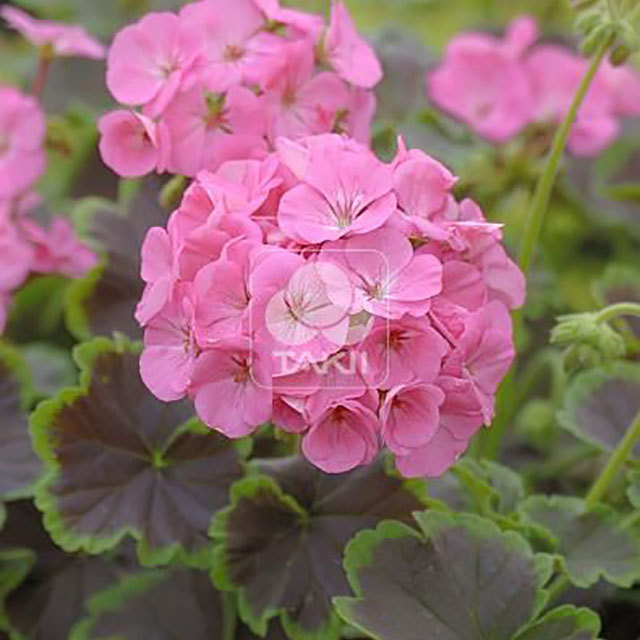
Why does your Pelargonium Black Velvet F1 Pink have leggy stems? Diagnose the cause and fix it with our step-by-step guide.

search Possible Causes

error

Insufficient Light Intensity

As a zonal geranium variety, Black Velvet requires high light levels to maintain its compact, velvety habit. Low light triggers etiolation, where the plant stretches its internodes rapidly to search for a light source.

Very Common
lightbulb
How to confirm: Observe if the stems are noticeably thinner and paler than the base of the plant near the soil line.
build How to fix it
shopping_cart Recommended Products
1 Increase light intensity by moving the plant closer to a window or providing supplemental lighting to prevent further stretching.
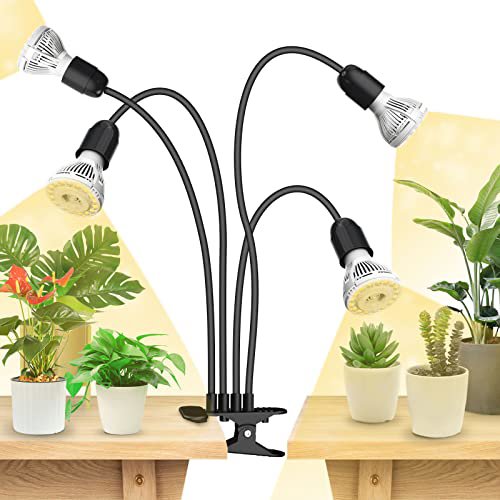
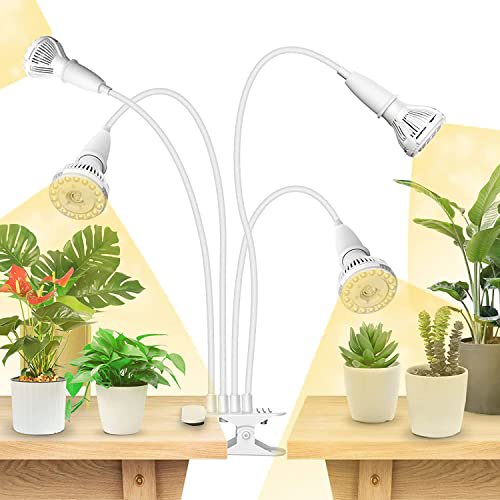
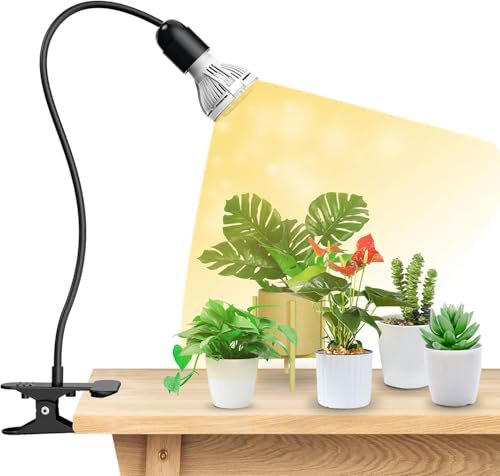
2 Use a full-spectrum grow light to mimic natural sunlight and encourage a more compact, bushy growth habit.
3 Prune the elongated, leggy stems back to a node to stimulate new, denser growth from the base.
warning

Excessive Nitrogen Fertilization

High levels of nitrogen promote rapid, succulent vegetative growth at the expense of structural integrity. In Pelargoniums, this results in soft, elongated stems that lack the characteristic density of the cultivar.

Common
lightbulb
How to confirm: Check if you have recently used a fertilizer with a significantly high first number (N) in the N-P-K ratio.
build How to fix it
shopping_cart Recommended Products
1 Stop all nitrogen-rich fertilization immediately to prevent further rapid, weak growth.
2 Prune the elongated, leggy stems back to a node to encourage bushier, denser growth and structural strength.
3 Flush the soil with plain, room-temperature water to help leach excess nitrogen salts away from the root zone.
warning

Overwatering and Poor Drainage

Constant moisture in the substrate can lead to oxygen deprivation in the root zone, weakening the plant's ability to support its own weight. This physiological stress often manifests as weak, spindly stem development.

Common
lightbulb
How to confirm: Press your finger deep into the soil to see if it remains saturated long after a scheduled watering.
build How to fix it
shopping_cart Recommended Products
1 Immediately reduce watering frequency and allow the top inch of soil to dry out completely before watering again to prevent further root suffocation.
2 Repot the plant into a container with superior drainage, such as a Root & Vessel cylinder pot, using a well-aerated medium like a mix containing perlite to improve oxygen flow to the roots.
3 Prune the elongated, weak stems to encourage bushier growth and prevent the plant from collapsing under its own weight.
warning

Temperature Fluctuations

Sudden drops in nighttime temperatures or extreme heat can disrupt the plant's metabolic processes, leading to erratic growth patterns. This instability often prevents the formation of tight, compact nodes.

Common
lightbulb
How to confirm: Monitor if the legginess coincides with recent drafts from windows or proximity to heating vents.
build How to fix it
shopping_cart Recommended Products
1 Stabilize the environment by moving the plant to a location with consistent temperatures, avoiding drafts from windows or air conditioning vents.
2 Increase supplemental lighting to encourage tighter node development and prevent further stretching of the stems.
3 Prune the elongated, leggy stems back to a healthy node to stimulate bushier, more compact growth.

Other Pelargonium Black Velvet F1 Pink problems

Your plant might also be experiencing one of these issues:

local_hospital All symptoms eco All plants with leggy stems
favorite