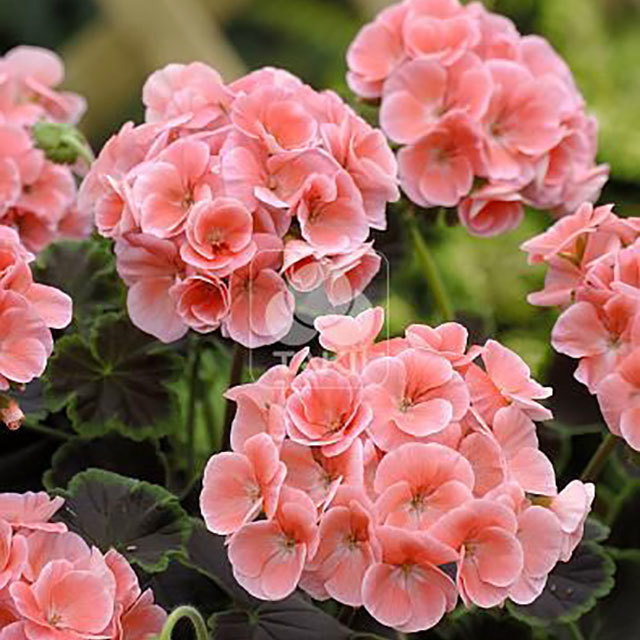
Pelargonium Black Velvet F1 Salmon Leggy Stems
eco Leggy Stems

Pelargonium Black Velvet F1 Salmon – Leggy Stems

Why does your Pelargonium Black Velvet F1 Salmon have leggy stems? Diagnose the cause and fix it with our step-by-step guide.

search Possible Causes

error

Insufficient Light Exposure

Zonal geraniums require high light intensity to maintain compact growth; low light triggers etiolation, causing the stems to stretch toward a light source.

Very Common
lightbulb
How to confirm: Observe if the internodes (space between leaves) are significantly longer than they were during more established growth periods.
build How to fix it
shopping_cart Recommended Products
1 Move your geranium to a location with much higher light intensity, such as a south-facing window or a spot with direct sunlight.
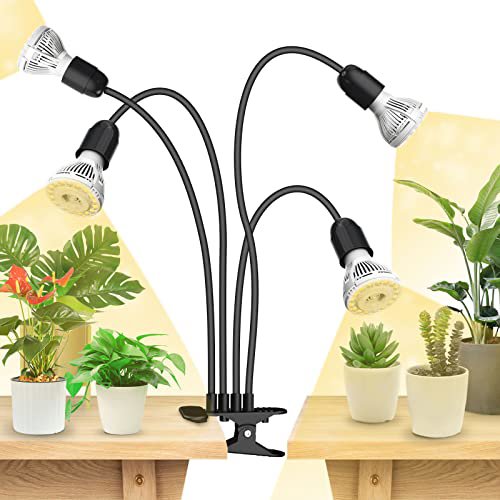
2 Supplement natural light with a full-spectrum grow light to ensure consistent energy for compact growth.
3 Prune back the elongated, leggy stems to encourage new, bushier growth from the base.
warning

Excessive Nitrogen Fertilization

A diet too high in nitrogen encourages rapid, succulent vegetative growth at the expense of structural strength and leaf density.

Common
lightbulb
How to confirm: Check your fertilizer label for a high first number (N) and look for very dark green but weak, spindly stems.
build How to fix it
shopping_cart Recommended Products
1 Stop all high-nitrogen fertilization immediately to allow the plant to focus on structural development rather than rapid, soft growth.
2 Prune back the elongated, leggy stems to a node to encourage bushier growth and more compact internodes.
3 Switch to a balanced or low-nitrogen fertilizer, such as FoxFarm Grow Big, to support healthy vegetative structure without excessive stretching.
warning

Overwatering and Poor Aeration

Constant moisture in the substrate can lead to weakened root systems that cannot support a heavy canopy, resulting in structurally unstable, stretching stems.

Common
lightbulb
How to confirm: Stick your finger two inches into the soil to see if it remains damp long after a scheduled watering.
build How to fix it
shopping_cart Recommended Products
1 Reduce watering frequency and allow the top inch of soil to dry completely before watering again to prevent root rot.
2 Repot the plant in a well-draining medium enriched with perlite to improve oxygen flow to the roots.
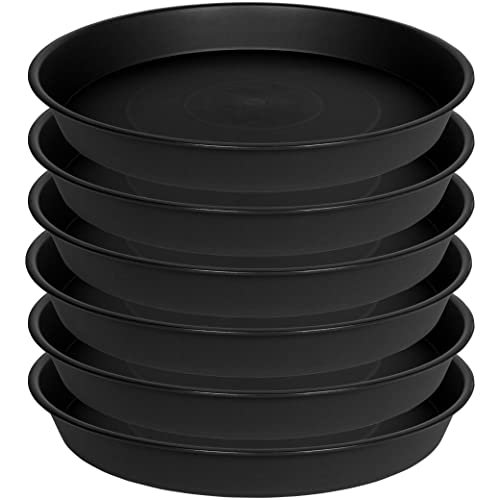
3 Ensure the plant is in a pot with adequate drainage and use a saucer to prevent water from pooling at the base.
warning

Temperature Fluctuations

Warm nighttime temperatures combined with low light can accelerate cell elongation in Pelargonium, leading to a leggy appearance.

Common
lightbulb
How to confirm: Monitor if the stretching coincides with periods where indoor heating or high night temps have increased.
build How to fix it
shopping_cart Recommended Products
1 Increase light exposure by placing the plant in a brighter location or using a full-spectrum grow light to prevent further cell elongation.
2 Maintain a stable environment by avoiding drafts and keeping nighttime temperatures consistent with daytime levels.
3 Prune the elongated, leggy stems back to a more compact growth point to encourage bushier development.

Other Pelargonium Black Velvet F1 Salmon problems

Your plant might also be experiencing one of these issues:

local_hospital All symptoms eco All plants with leggy stems
favorite