Pelargonium graveolens Leggy Stems
eco Leggy Stems

Pelargonium graveolens – Leggy Stems

Why does your Pelargonium graveolens have leggy stems? Diagnose the cause and fix it with our step-by-step guide.

search Possible Causes

error

Insufficient Light Intensity

Rose Geraniums are sun-loving plants that require significant light to maintain compact growth. In low light, the plant undergoes etiolation, stretching its internodes excessively to reach for a light source.

Very Common
lightbulb
How to confirm: Observe if the stems are noticeably thinner and paler than the lower foliage near the base.
build How to fix it
shopping_cart Recommended Products
1 Move your Rose Geranium to a location with much higher light intensity, such as a south-facing window, to stop the stems from stretching.
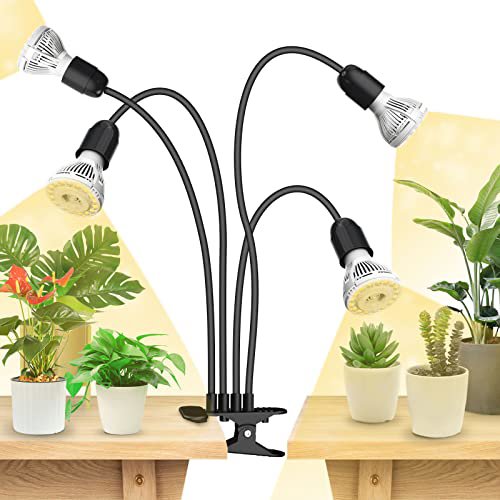
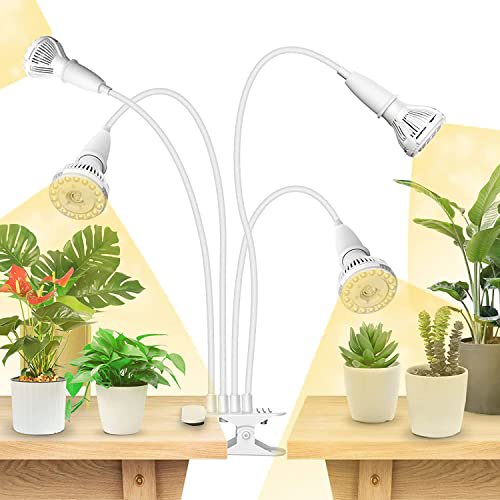
2 Supplement with a full-spectrum LED grow light to provide the necessary energy for compact, bushy growth.
3 Prune back the excessively long, leggy stems to encourage new, denser growth from the base of the plant.
warning

Excessive Nitrogen Fertilization

High levels of nitrogen promote rapid vegetative growth, which in Pelargoniums can lead to soft, weak, and elongated stems that lack structural integrity.

Common
lightbulb
How to confirm: Check if you have recently used a high-nitrogen fertilizer or if the new growth appears exceptionally dark green but floppy.
build How to fix it
shopping_cart Recommended Products
1 Flush the soil with plenty of fresh water to leach out excess nitrogen salts from the root zone.
2 Prune back the elongated, weak stems to encourage bushier, more compact growth and improve structural integrity.
3 Switch to a balanced or low-nitrogen fertilizer, such as FoxFarm Big Bloom, to support healthy development without excessive foliage.
warning

Overwatering and Poor Aeration

Consistent moisture in the substrate can lead to weakened root systems, which prevents the plant from supporting upright stems. This often results in succulent, weak growth rather than sturdy woody stems.

Common
lightbulb
How to confirm: Touch the soil; if it remains damp several centimeters below the surface for extended periods, you are likely overwatering.
build How to fix it
shopping_cart Recommended Products
1 Reduce watering frequency and allow the top inch of soil to dry completely before watering again to prevent root rot.
2 Repot the plant in a well-draining medium enriched with perlite to improve soil aeration and prevent moisture retention.
3 Prune the leggy, weak stems to encourage new, sturdier growth from the base of the plant.
warning

Temperature Fluctuations and High Humidity

Warm, humid environments without adequate air circulation can stimulate rapid cell elongation in Rose Geraniums, causing the plant to lose its characteristic bushy habit.

Common
lightbulb
How to confirm: Monitor if the legginess coincides with a recent increase in indoor humidity or lack of air movement around the foliage.
build How to fix it
shopping_cart Recommended Products
1 Increase light intensity to prevent further cell elongation and encourage a bushier growth habit.
2 Improve air circulation around the plant using a small fan to reduce humidity buildup and stabilize temperature.
3 Prune the elongated, leggy stems to stimulate new, denser growth from the base of the plant.
local_hospital All symptoms eco All plants with leggy stems
favorite