Pelargonium x domesticum Aztec Leggy Stems
eco Leggy Stems

Pelargonium x domesticum Aztec – Leggy Stems

Why does your Pelargonium x domesticum Aztec have leggy stems? Diagnose the cause and fix it with our step-by-step guide.

search Possible Causes

error

Insufficient Light Intensity

Zonal Pelargoniums require high light levels to maintain a compact, bushy habit; low light triggers etiolation where stems stretch toward the nearest light source.

Very Common
lightbulb
How to confirm: Observe if the internodes (distance between leaves) are significantly longer than those on older, healthier growth.
build How to fix it
shopping_cart Recommended Products
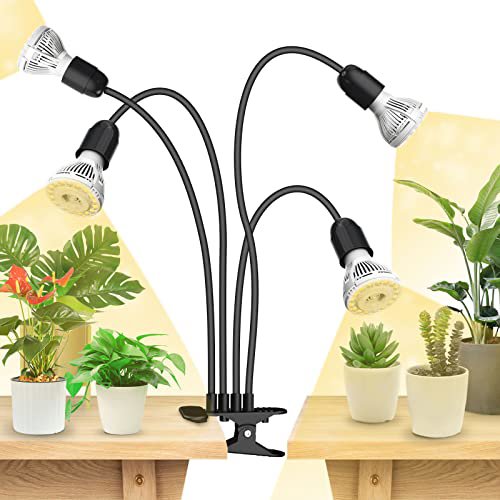
1 Increase light exposure by moving the plant to a brighter location, such as a south-facing window, or supplement with a full-spectrum grow light.
2 Prune the elongated, leggy stems back to a node to encourage new, bushier growth from the base.
3 Monitor light levels and soil moisture to ensure the plant is not being overwatered, which can exacerbate stem stretching.
warning

Excessive Nitrogen Fertilization

High levels of nitrogen promote rapid vegetative growth and succulent stem elongation at the expense of structural strength and flower production.

Common
lightbulb
How to confirm: Check if your fertilizer has a much higher first number (N) than the second and third (P-K) in the NPK ratio.
build How to fix it
shopping_cart Recommended Products
1 Stop all nitrogen-rich fertilization immediately to allow the plant to stabilize and focus on structural strength.
2 Prune back the elongated, leggy stems to a node to encourage bushier, more compact growth and promote future flowering.
3 Flush the soil with plain, room-temperature water to help leach excess nitrogen salts away from the root zone.
warning

Overwatering and Poor Aeration

Consistently wet substrate can cause soft, weak growth as the plant's root system struggles to support structural development due to reduced oxygen.

Common
lightbulb
How to confirm: Stick your finger two inches into the soil to see if it remains damp long after a scheduled watering.
build How to fix it
shopping_cart Recommended Products
1 Check the soil moisture levels immediately using a moisture meter to ensure the substrate is not staying saturated for too long.
2 Repot the plant into a well-draining medium enriched with perlite to improve oxygen availability to the roots.
3 Ensure the plant is in a pot with adequate drainage and use a saucer to prevent water from pooling at the base.
warning

Temperature Fluctuations

Excessively warm night temperatures can stimulate rapid cell elongation in Pelargoniums, leading to weak, spindly stems.

Common
lightbulb
How to confirm: Monitor if the leggy growth coincides with periods where nighttime temperatures have stayed consistently above 70°F (21°C).
build How to fix it
shopping_cart Recommended Products
1 Stabilize the environment by moving the plant to a location with consistent temperatures, avoiding drafts or heat sources that cause night-time spikes.
2 Increase light intensity to prevent further stretching; consider using a full-spectrum grow light to provide the energy needed for sturdier stem development.
3 Prune the leggy, spindly stems back to a healthier node to encourage bushier, more compact growth.

Other Pelargonium x domesticum Aztec problems

Your plant might also be experiencing one of these issues:

local_hospital All symptoms eco All plants with leggy stems
favorite