Pelargonium zonale Leggy Stems
eco Leggy Stems

Pelargonium zonale – Leggy Stems

Why does your Pelargonium zonale have leggy stems? Diagnose the cause and fix it with our step-by-step guide.

search Possible Causes

error

Insufficient Light Exposure

Zonal Geraniums are sun-loving plants that require at least 6 hours of direct sunlight; lack of light triggers etiolation, where stems stretch excessively to find a light source.

Very Common
lightbulb
How to confirm: Observe if the internodes (the space between leaves) are unusually long and the foliage appears sparse or pale.
build How to fix it
shopping_cart Recommended Products
1 Move your Geranium to a location that receives at least 6 hours of direct sunlight daily, such as a south-facing window.
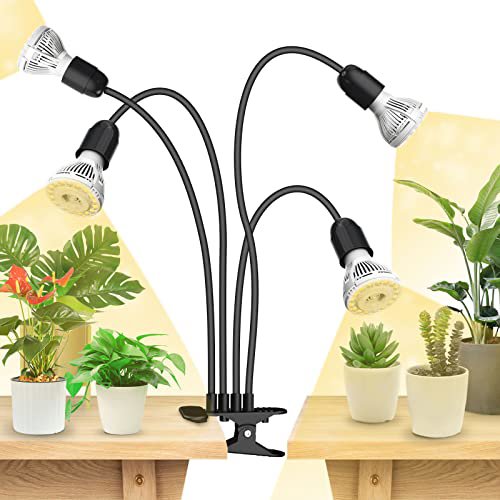
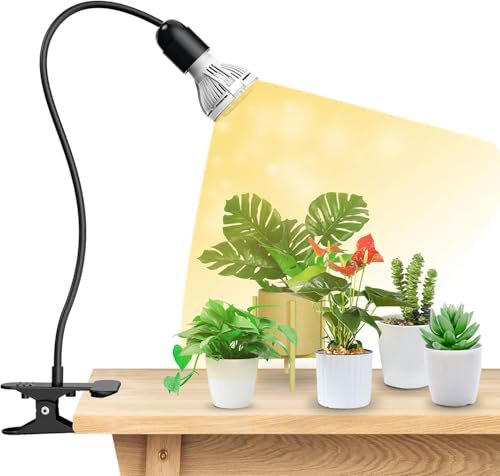
2 Supplement natural light with a full-spectrum grow light to prevent further stem stretching and support healthy foliage.
3 Prune the elongated, leggy stems back to a more compact shape to encourage bushier growth and better light penetration.
warning

Overwatering and Poor Drainage

Excessive moisture in the substrate can lead to weakened cell structure and soft, elongated growth as roots struggle to breathe.

Common
lightbulb
How to confirm: Check if the soil remains soggy for long periods or if the lower leaves are turning yellow alongside the leggy stems.
build How to fix it
shopping_cart Recommended Products
1 Immediately reduce watering frequency and allow the top inch of soil to dry out completely before watering again to prevent root rot.
2 Repot the geranium in a well-draining potting mix and ensure the container has adequate drainage holes to prevent water from pooling.
3 Prune back the elongated, leggy stems to encourage bushier, more compact growth and improve airflow around the base of the plant.
warning

Excessive Nitrogen Fertilization

High levels of nitrogen promote rapid, succulent vegetative growth which results in weak, spindly stems that lack structural integrity.

Common
lightbulb
How to confirm: Review your recent fertilizer use to see if a high-nitrogen formula was applied recently.
build How to fix it
shopping_cart Recommended Products
1 Stop all nitrogen-rich fertilization immediately to allow the plant to stabilize and prevent further rapid, weak growth.
2 Prune the long, spindly stems back to a more compact height to encourage bushier growth and improve structural integrity.
3 Increase light exposure by moving the plant to a brighter location or using a full-spectrum grow light to strengthen the stems.
warning

Temperature Fluctuations

Large swings between warm days and very cold nights can disrupt the plant's metabolic processes, leading to irregular, stretched growth patterns.

Common
lightbulb
How to confirm: Monitor the nighttime temperature near where the plant is kept to ensure it remains consistently above 15°C (60°F).
build How to fix it
shopping_cart Recommended Products
1 Stabilize the environment by moving the plant to a location with consistent temperatures, away from cold drafts or heating vents.
2 Supplement with supplemental lighting to encourage more compact, sturdy growth and prevent further stretching.
3 Prune back the elongated, leggy stems to a healthy node to stimulate bushier growth and improve plant structure.

Other Pelargonium zonale problems

Your plant might also be experiencing one of these issues:

local_hospital All symptoms eco All plants with leggy stems
favorite