Peperomia griseo-argentea Tiny Black Flies
eco Tiny Black Flies

Peperomia griseo-argentea – Tiny Black Flies

Why does your Peperomia griseo-argentea have tiny black flies? Diagnose the cause and fix it with our step-by-step guide.

pets Pet Friendly

search Possible Causes

error

Fungus Gnats

The tiny black flies are likely fungus gnat adults, which thrive in the moist, organic-rich soil that Peperomia griseo-argentea prefers. Their larvae live in the top layer of soil and feed on decaying organic matter and fungal mycelium.

Very Common
lightbulb
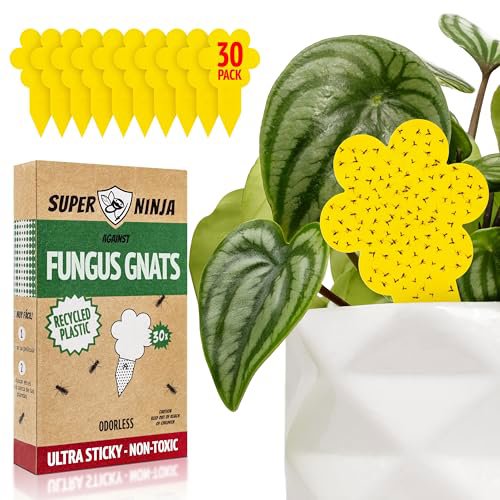
How to confirm: Place a yellow sticky trap near the plant to confirm the presence of flying adults.
build How to fix it
shopping_cart Recommended Products
1 Deploy yellow sticky traps to capture the adult flying gnats and break the reproductive cycle.
2 Reduce watering frequency and allow the top inch of soil to dry out completely to kill larvae in the soil.
3 Top-dress the soil with a layer of horticultural perlite to create a dry barrier that prevents adults from laying eggs.
error

Overwatering leading to Root Rot

Frequent moisture in Peperomia soil encourages fungus gnat populations and can cause the silver-leafed stems to soften. As roots decay from lack of oxygen, they provide a perfect breeding ground for larvae.

Very Common
lightbulb
How to confirm: Gently lift the plant from its pot to check if the roots are dark, slimy, or smelling of decay.
build How to fix it
shopping_cart Recommended Products
1 Immediately reduce watering frequency and allow the soil to dry out significantly to stop the breeding cycle of the flies and prevent further root decay.
2 Repot the plant in a well-draining, fresh medium like a mix containing perlite to improve aeration and oxygen to the root zone.
3 Apply yellow sticky traps near the soil surface to capture the adult fungus gnats and disrupt their reproduction.
warning

Soil Organic Matter Decomposition

If you use a heavy peat-based potting mix, the natural breakdown of organic material can attract gnats. This is particularly common when the soil surface remains damp for extended periods.

Common
lightbulb
How to confirm: Check if the top inch of soil stays wet for more than several days after watering.
build How to fix it
shopping_cart Recommended Products
1 Deploy yellow sticky traps to capture the adult flies and break the reproductive cycle of the fungus gnats.
2 Reduce watering frequency and allow the top inch of soil to dry out completely to disrupt the larvae's moist habitat.
3 Top-dress the soil with a layer of horticultural perlite to create a dry barrier that prevents gnats from reaching the organic matter.
local_hospital All symptoms eco All plants with tiny black flies
favorite