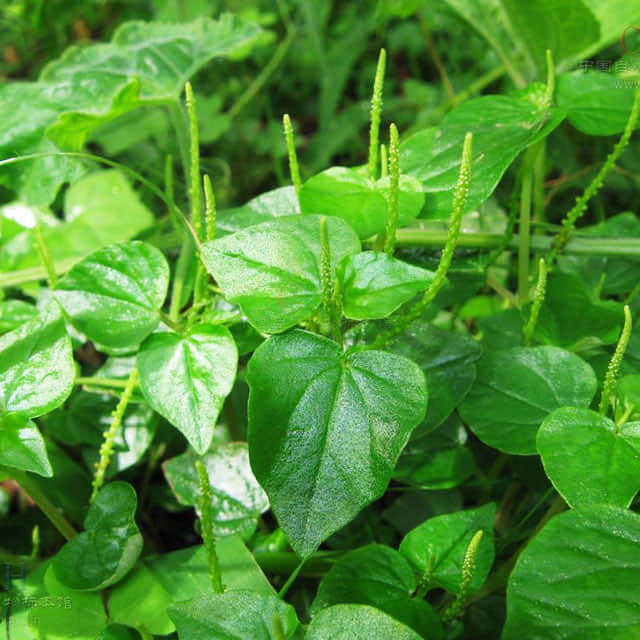
Peperomia pellucida Tiny Black Flies
eco Tiny Black Flies

Peperomia pellucida – Tiny Black Flies

Why does your Peperomia pellucida have tiny black flies? Diagnose the cause and fix it with our step-by-step guide.

pets Pet Friendly

search Possible Causes

error

Fungus Gnats (Sciarid Fly)

The presence of tiny black flies in high-moisture plants like Peperomia pellucida is most commonly due to fungus gnats. Their larvae live in the top layers of organic matter and feed on decaying roots and fungal mycelium, thriving in the perpetually damp soil this species requires.

Very Common
lightbulb
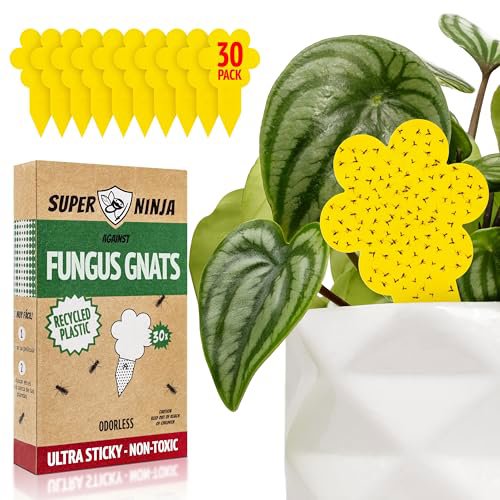
How to confirm: Place a yellow sticky trap near the soil surface to see if small black insects are captured.
build How to fix it
shopping_cart Recommended Products
1 Deploy yellow sticky traps to capture the adult flying gnats and break the breeding cycle.
2 Allow the top inch of soil to dry out slightly between waterings to make the environment less hospitable for larvae.
3 Apply a biological control or organic insecticide to target the larvae living in the organic matter.
warning

Soil Moisture Imbalance (Root Rot precursor)

While Peperomia pellucida loves humidity, overly saturated soil creates the perfect breeding ground for dipteran insects. The decaying organic matter in the pot acts as a food source and egg-laying site for flies.

Common
lightbulb
How to confirm: Stick your finger two inches into the soil to check if it is staying anaerobic or swampy.
build How to fix it
shopping_cart Recommended Products
1 Reduce watering frequency and allow the top inch of soil to dry out completely to disrupt the fungus gnat breeding cycle.
2 Apply a biological control such as Neem Oil or a specialized spray to eliminate adult flies and larvae.
3 Repot the plant in a well-draining medium enriched with perlite to improve aeration and prevent future soil saturation.
warning

Black Scab/Fungal Rot attracting secondary pests

If the plant has developing soft spots on its succulent stems, these necrotic tissues can attract various small flies looking for moisture and decaying matter.

Common
lightbulb
How to confirm: Inspect the base of the stems for any translucent or mushy black lesions.
build How to fix it
shopping_cart Recommended Products
1 Remove all necrotic, soft, or decaying stem tissue using sterilized shears to eliminate the fungal food source.
2 Apply an organic fungicide to treat the underlying rot and prevent further spread of the black scab.
3 Deploy yellow sticky traps to capture the adult flies and disrupt their breeding cycle near the soil surface.
local_hospital All symptoms eco All plants with tiny black flies
favorite