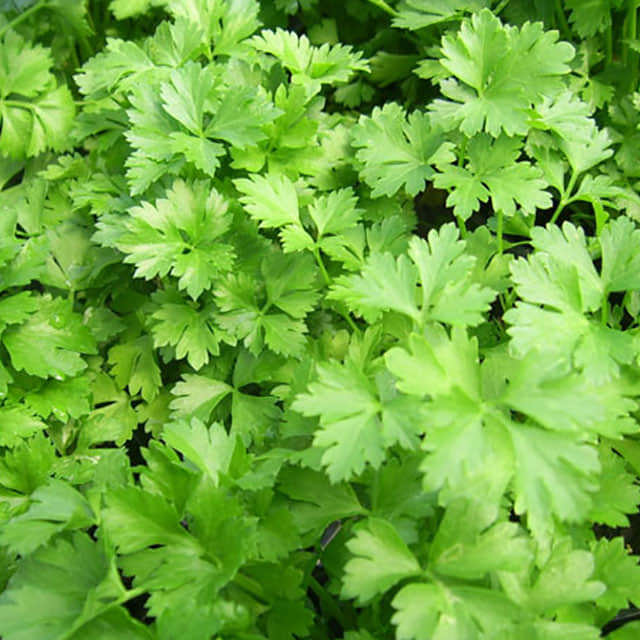
Petroselinum crispum Tiny Black Flies
eco Tiny Black Flies

Petroselinum crispum – Tiny Black Flies

Why does your Petroselinum crispum have tiny black flies? Diagnose the cause and fix it with our step-by-step guide.

pets Pet Friendly

search Possible Causes

error

Fungus Gnats (Sciaridae)

The tiny black flies are likely fungus gnats, whose larvae live in the moist soil of parsley pots and feed on organic matter and decaying root tissue. The adults emerge to lay eggs in the top layer of the substrate, often triggered by high humidity around the parsley foliage.

Very Common
lightbulb
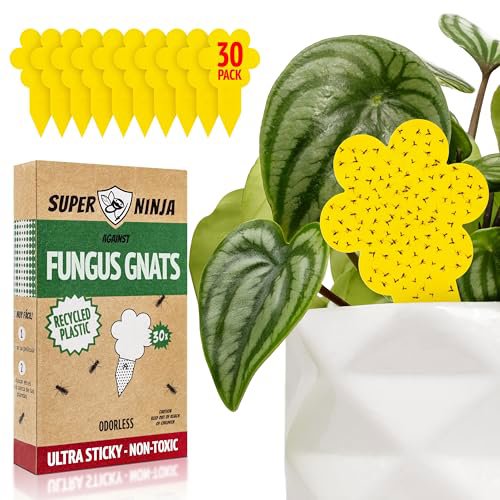
How to confirm: Place a yellow sticky trap near the base of the parsley to confirm the presence of flying adults.
build How to fix it
shopping_cart Recommended Products
1 Deploy yellow sticky traps to capture the adult flying gnats and break the reproductive cycle.
2 Allow the top inch of soil to dry out completely between waterings to kill larvae inhabiting the moist substrate.
3 Apply a biological control or organic spray to target any remaining larvae and prevent further infestation.
warning

Black Bean Aphids (Aphis fabae)

While usually stationary, some aphid species can appear as small dark moving dots on the undersides of parsley leaves. They suck sap from the plant, which can lead to leaf curling and stunted growth in curly-leaf varieties.

Common
lightbulb
How to confirm: Inspect the underside of the youngest parsley leaves for clusters of small, dark insects or sticky honeydew residue.
build How to fix it
shopping_cart Recommended Products
1 Apply an organic insecticide spray to the undersides of the leaves to eliminate the aphid population.
2 Prune and discard any heavily infested or curling leaves to prevent the spread of aphids to healthy parts of the plant.
3 Use yellow sticky traps to capture adult flying insects and monitor for new infestations.
warning

Root Fly Larvae (Ripipara)

Small flies may be present if the soil is overly decomposed, with larvae attacking the root system of the parsley. This leads to secondary symptoms like wilting or yellowing of the curly leaf margins.

Common
lightbulb
How to confirm: Gently lift one parsley plant from its pot to check for small, translucent larvae moving near the roots.
build How to fix it
shopping_cart Recommended Products
1 Apply a biological control to eliminate the fly larvae and adult flies in the soil.
2 Reduce watering frequency and allow the top inch of soil to dry out to disrupt the larvae's moist habitat.
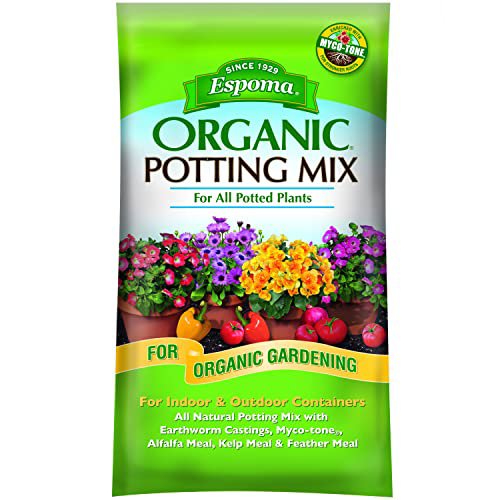
3 Repot the parsley in fresh, well-draining potting soil to remove existing larvae and prevent further root damage.

Other Petroselinum crispum problems

Your plant might also be experiencing one of these issues:

local_hospital All symptoms eco All plants with tiny black flies
favorite