Petunia hybrida Trilogy Leggy Stems
eco Leggy Stems

Petunia hybrida Trilogy – Leggy Stems

Why does your Petunia hybrida Trilogy have leggy stems? Diagnose the cause and fix it with our step-by-step guide.

search Possible Causes

error

Insufficient Light Intensity

Petunias are sun-loving plants that require at least 6 hours of direct sunlight; low light levels trigger etiolation, causing the stems to stretch and become weak as they search for a light source.

Very Common
lightbulb
How to confirm: Check if the plant is placed in a shaded area or if nearby foliage is blocking its access to direct sun.
build How to fix it
shopping_cart Recommended Products
1 Move your petunia to a location that receives at least 6 to 8 hours of direct sunlight daily to stop the stems from stretching.
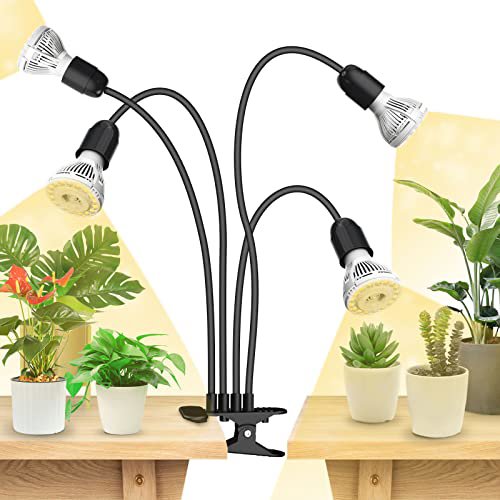
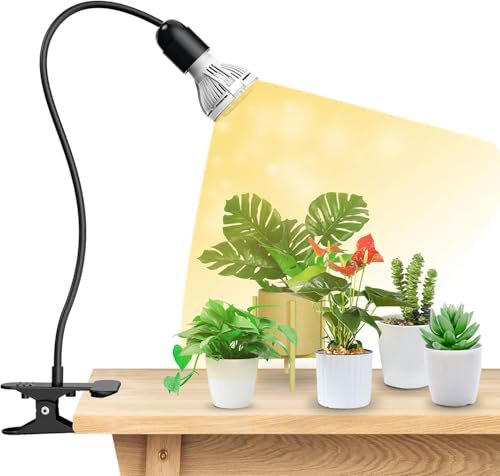
2 Supplement with a full-spectrum grow light to provide the necessary intensity if natural sunlight is insufficient.
3 Prune the leggy, weak stems back to encourage bushier, more compact growth and prevent the plant from collapsing.
warning

Nitrogen Imbalance

Excessive nitrogen in the fertilizer can promote rapid, lush vegetative growth at the expense of structural strength, resulting in long, spindly stems that lack sturdiness.

Common
lightbulb
How to confirm: Review your recent fertilizer use to see if it is high in Nitrogen (the first number on the N-P-K label).
build How to fix it
shopping_cart Recommended Products
1 Reduce nitrogen-heavy fertilizers and switch to a balanced or bloom-focused formula to encourage structural strength and flowering.
2 Prune the long, spindly stems back to encourage bushier, more compact growth and improve airflow.
3 Ensure the plant receives adequate sunlight to prevent further stretching and promote sturdy stem development.
warning

Improper Watering Frequency

Inconsistent moisture levels, particularly periods where the soil stays too wet followed by drought, can stress the plant's cellular structure and lead to uneven, elongated growth patterns.

Common
lightbulb
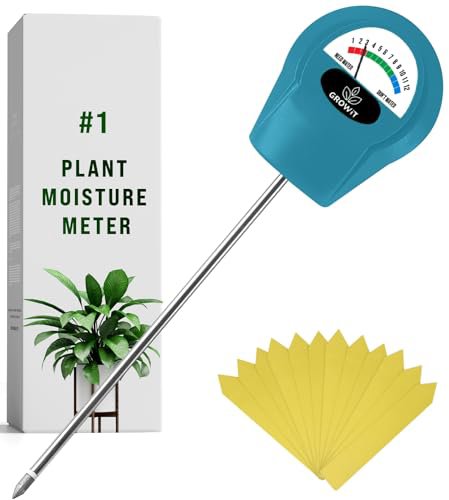
How to confirm: Monitor the soil moisture depth with your finger to ensure it dries out slightly between waterings but never stays bone dry.
build How to fix it
shopping_cart Recommended Products
1 Monitor soil moisture levels closely to ensure a consistent watering schedule, preventing the cycle of drought and waterlogging.
2 Prune back the elongated, leggy stems to encourage bushier growth and more robust stem development.
3 Apply a balanced liquid fertilizer to provide the nutrients necessary for strengthening the plant's cellular structure.
warning

Temperature Fluctuations

Excessively warm night temperatures can accelerate metabolic rates in Petunia hybrids, causing the plant to grow rapidly and leggy if it cannot recover during cooler periods.

Common
lightbulb
How to confirm: Observe if the plant is kept near a heat source or in an area with significantly higher nighttime temperatures than daytime.
build How to fix it
shopping_cart Recommended Products
1 Stabilize the environment by moving the plant to a location with more consistent temperatures, avoiding drafts or heat sources that cause night-time spikes.
2 Provide supplemental lighting to balance the accelerated metabolic rate and encourage more compact, sturdy growth.
3 Prune back the elongated, leggy stems to encourage bushier growth and prevent the plant from becoming too top-heavy.

Other Petunia hybrida Trilogy problems

Your plant might also be experiencing one of these issues:

local_hospital All symptoms eco All plants with leggy stems
favorite