Petunia Opera Supreme F1 Light Blue Leggy Stems
eco Leggy Stems

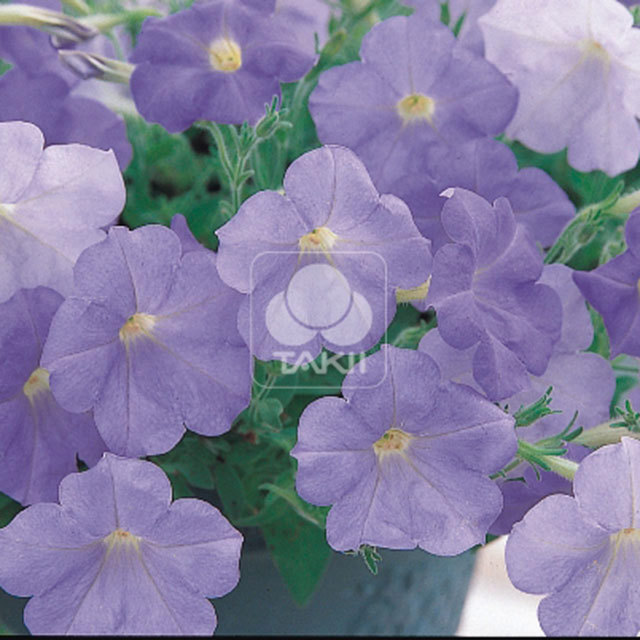
Petunia Opera Supreme F1 Light Blue – Leggy Stems

Why does your Petunia Opera Supreme F1 Light Blue have leggy stems? Diagnose the cause and fix it with our step-by-step guide.

pets Pet Friendly

search Possible Causes

error

Insufficient Light Intensity

As a sun-loving cultivar, the Opera Supreme series requires high light levels to maintain compact growth. Lack of UV exposure causes etiolation, where stems stretch rapidly toward the nearest light source.

Very Common
lightbulb
How to confirm: Observe if the plant is leaning toward a window or if the internodes (space between leaves) are unusually long.
build How to fix it
shopping_cart Recommended Products
1 Move your Petunia to a location with maximum sunlight exposure, ideally a spot that receives at least 6 to 8 hours of direct sun daily.
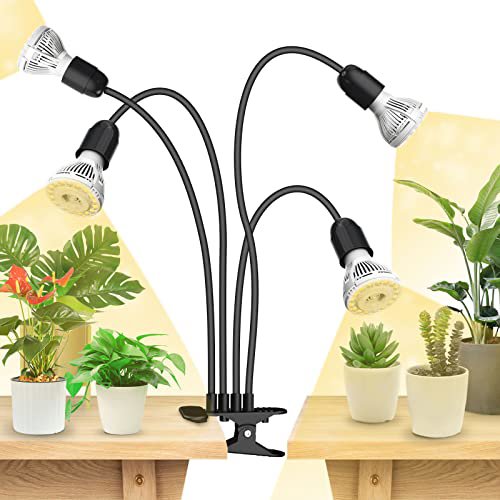
2 Supplement with a full-spectrum LED grow light to provide the necessary intensity for compact growth and prevent further stretching.
3 Prune the elongated, leggy stems to encourage bushier growth and prevent the plant from becoming too top-heavy.
error

Excessive Nitrogen Fertilization

High levels of nitrogen promote rapid vegetative growth and lush green foliage at the expense of structural integrity. This can lead to weak, spindly stems that lack the strength to support the heavy blooms characteristic of this hybrid.

Very Common
lightbulb
How to confirm: Check your fertilizer label for a high 'N' value and see if new growth is extremely dark green but soft.
build How to fix it
shopping_cart Recommended Products
1 Flush the soil with plenty of fresh water to leach out excess nitrogen salts from the root zone.
2 Prune back the leggy, spindly stems to encourage bushier, more compact growth and structural strength.
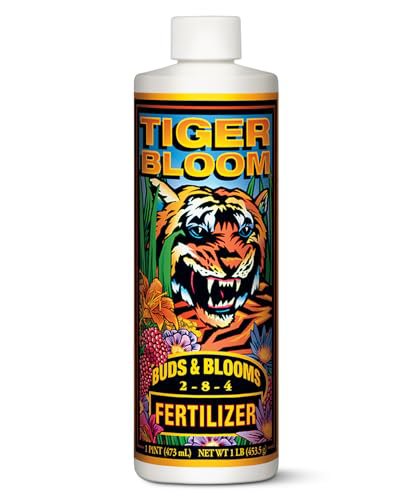
3 Switch to a balanced or low-nitrogen fertilizer, such as FoxFarm Tiger Bloom, to support bloom development rather than foliage growth.
warning

Overwatering and Poor Aeration

Constant moisture in the substrate can lead to oxygen depletion in the root zone. This weakens the root system's ability to support the plant, resulting in floppy, leggy growth rather than sturdy, upright stems.

Common
lightbulb
How to confirm: Stick your finger two inches into the soil to see if it remains saturated long after a watering event.
build How to fix it
shopping_cart Recommended Products
1 Improve soil aeration by mixing in horticultural perlite to prevent oxygen depletion in the root zone.
2 Monitor soil moisture levels closely using an analog moisture meter to ensure you only water when the substrate is dry.
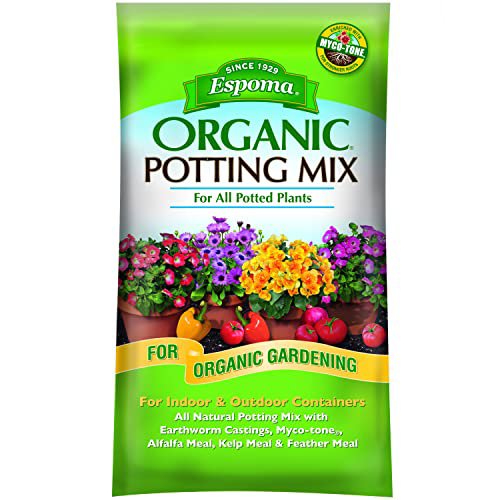
3 Repot the plant into a container with better drainage and fresh, well-aerated potting soil.
warning

Temperature Fluctuations

Excessively warm night temperatures can accelerate metabolic rates in Petunias, causing them to 'stretch' overnight. This prevents the plant from establishing the dense, mounded habit typical of the Opera Supreme series.

Common
lightbulb
How to confirm: Monitor if leggy growth coincides with a recent heatwave or lack of nighttime cooling.
build How to fix it
shopping_cart Recommended Products
1 Stabilize the environment by moving the plant to a location with more consistent temperatures, avoiding drafts or heat sources that cause night-time spikes.
2 Increase light intensity to encourage shorter, denser internodes and prevent further stretching.
3 Prune the leggy stems back to encourage new, bushier growth from the base.

Other Petunia Opera Supreme F1 Light Blue problems

Your plant might also be experiencing one of these issues:

local_hospital All symptoms eco All plants with leggy stems
favorite