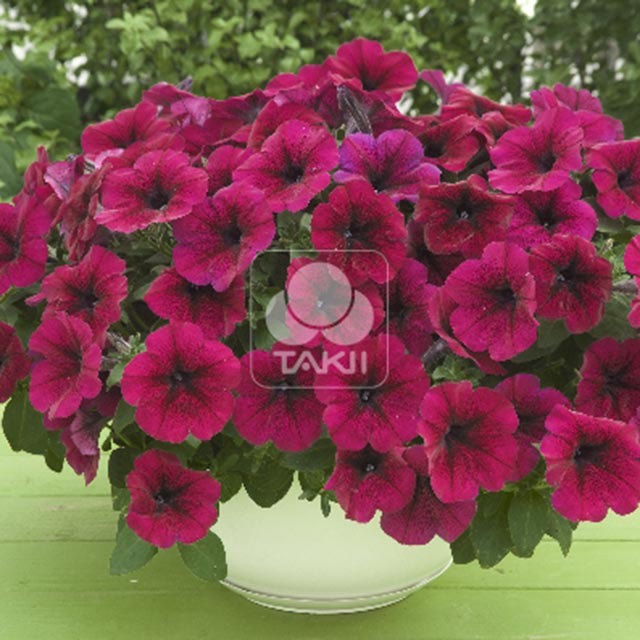
Petunia Trilogy F1 Deep Purple Leggy Stems
eco Leggy Stems

Petunia Trilogy F1 Deep Purple – Leggy Stems

Why does your Petunia Trilogy F1 Deep Purple have leggy stems? Diagnose the cause and fix it with our step-by-step guide.

pets Pet Friendly

search Possible Causes

error

Insufficient Light Intensity

As a sun-loving species, Petunias require full sun to maintain compact growth; lack of light causes etiolation, where stems stretch rapidly toward the nearest light source.

Very Common
lightbulb
How to confirm: Observe if the plant is positioned in a shaded area or if the distance between leaf nodes has increased significantly.
build How to fix it
shopping_cart Recommended Products
1 Move your petunia to a location that receives at least 6 to 8 hours of direct sunlight daily to prevent further stretching.
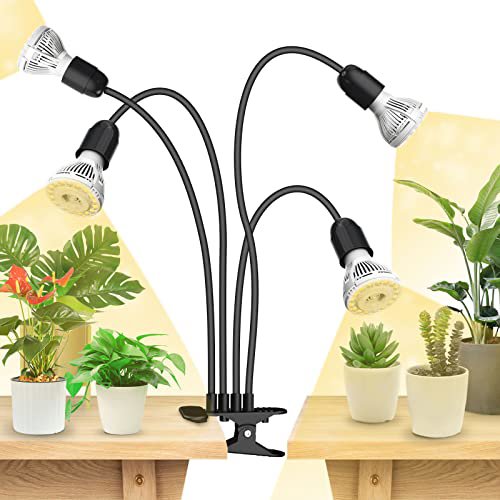
2 Supplement natural light with a high-intensity grow light to provide the necessary spectrum for compact growth.
3 Prune the elongated, leggy stems back to encourage bushier growth and more lateral branching.
error

Nitrogen-Heavy Fertilization

An overabundance of nitrogen promotes rapid vegetative growth and lush green leaves at the expense of structural strength and flower production, leading to weak, spindly stems.

Very Common
lightbulb
How to confirm: Review your recent fertilizer application frequency and check if the N-P-K ratio is heavily weighted toward Nitrogen.
build How to fix it
shopping_cart Recommended Products
1 Stop all high-nitrogen fertilizers immediately to allow the plant to focus on structural strength and bloom development.
2 Prune back the long, spindly stems by about one-third to encourage bushier growth and more compact habit.
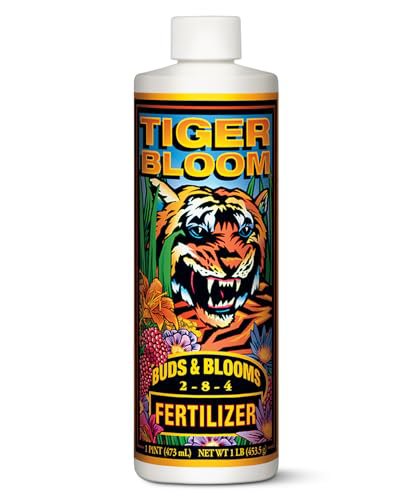
3 Switch to a fertilizer with higher phosphorus and potassium to support flower production and stem stability.
warning

Overwatering and Poor Aeration

Excessive moisture in the substrate can lead to soft, weakened cell structures in the stems, making them appear floppy and elongated as the root system struggles with oxygen deprivation.

Common
lightbulb
How to confirm: Stick your finger two inches into the soil to see if it remains saturated long after a watering event.
build How to fix it
shopping_cart Recommended Products
1 Reduce watering frequency and allow the top inch of soil to dry out completely before watering again to prevent further oxygen deprivation.
2 Repot the plant in a well-draining medium enriched with perlite to improve soil aeration and prevent future root rot.
3 Prune the elongated, weak stems to encourage bushier, more compact growth and improve airflow through the foliage.
warning

Temperature Fluctuations

Excessively high night temperatures can accelerate metabolic rates in Petunias, causing rapid stem elongation and reduced internode density.

Common
lightbulb
How to confirm: Check if the plant is kept near heat vents or in an area experiencing significant diurnal temperature swings.
build How to fix it
shopping_cart Recommended Products
1 Stabilize the environment by moving the plant to a location with consistent temperatures, avoiding drafts or heat sources that cause night-time spikes.
2 Increase light intensity to encourage shorter, denser internodes and prevent further stretching.
3 Prune back the elongated, leggy stems to stimulate bushier growth and more compact foliage.
local_hospital All symptoms eco All plants with leggy stems
favorite