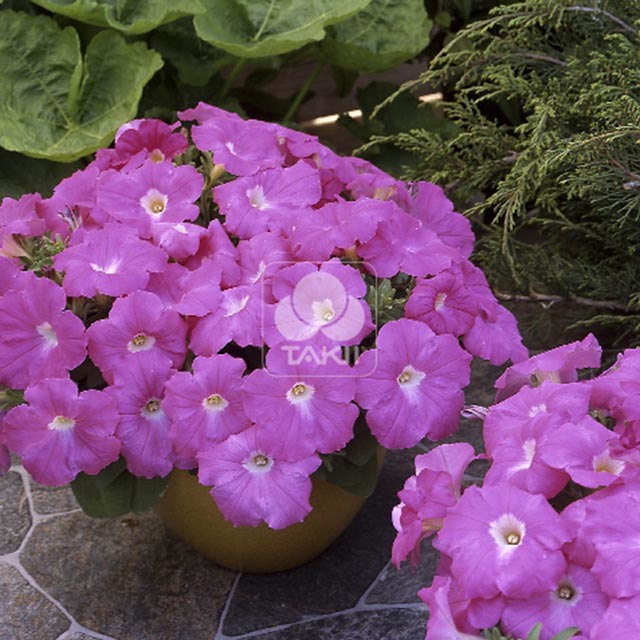
Petunia Trilogy F1 Rose Leggy Stems
eco Leggy Stems

Petunia Trilogy F1 Rose – Leggy Stems

Why does your Petunia Trilogy F1 Rose have leggy stems? Diagnose the cause and fix it with our step-by-step guide.

search Possible Causes

error

Insufficient Light Intensity

Petunias are sun-loving plants that require at least 6 hours of direct sunlight. When light is low, the plant undergoes etiolation, stretching its stems to search for a light source, resulting in weak, spindly growth.

Very Common
lightbulb
How to confirm: Observe if the stems are leaning towards a window or if the internodes (space between leaves) are unusually long.
build How to fix it
shopping_cart Recommended Products
1 Move your plant to a location that receives at least 6 hours of direct sunlight daily to stop the stems from stretching.
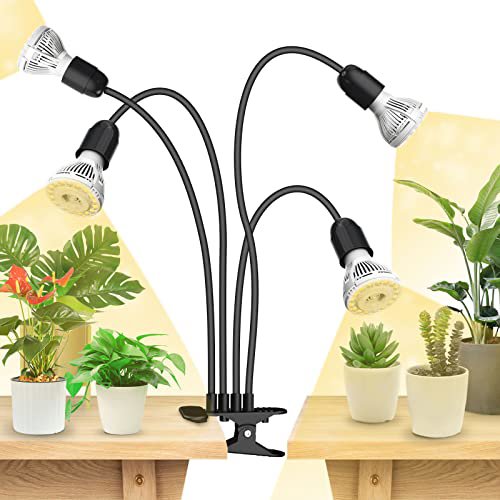
2 Supplement with a full-spectrum grow light to provide the necessary intensity for bushier, stronger growth.
3 Prune the leggy, weak stems back to a healthier height to encourage new, compact growth from the base.
error

Overwatering and Poor Drainage

Excessive moisture in the substrate can cause oxygen deprivation in the root zone, leading to weak root systems that cannot support upright growth. This often manifests as soft, elongated stems that lack structural integrity.

Very Common
lightbulb
How to confirm: Check if the potting medium remains soggy for several days after watering or feels muddy to the touch.
build How to fix it
shopping_cart Recommended Products
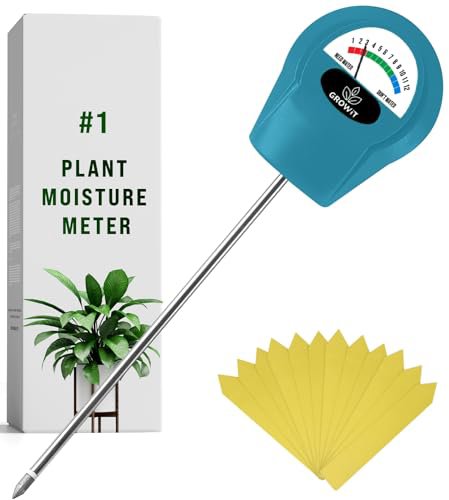
1 Immediately reduce watering frequency and allow the top inch of soil to dry out completely before watering again to prevent further root rot.
2 Repot the plant into a container with superior drainage and refresh the medium with a well-aerating mix containing perlite to improve oxygen flow to the roots.
3 Prune the elongated, weak stems to encourage bushier, more compact growth and prevent the plant from collapsing under its own weight.
warning

Nitrogen-to-Potassium Imbalance

An excess of nitrogen-rich fertilizer promotes rapid, lush vegetative growth at the expense of structural strength. This high-nitrogen push can cause the Petunia Trilogy F1 to grow tall and thin without sufficient lignin for stem support.

Common
lightbulb
How to confirm: Review your recent fertilization schedule to see if you have used a high-nitrogen 'starter' fertilizer instead of a bloom-booster.
build How to fix it
shopping_cart Recommended Products
1 Reduce nitrogen-heavy fertilizers and switch to a balanced or potassium-rich formula to strengthen stem structure.
2 Prune back the leggy, elongated stems to encourage bushier, more compact growth and improve airflow.
3 Ensure the plant receives adequate light intensity to prevent further stretching (etiolation).
warning

High Temperature/Heat Stress

Extreme heat can accelerate the metabolic rate of Petunias, causing rapid stem elongation. If temperatures are too high without adequate ventilation, the plant may stretch to increase surface area for transpiration.

Common
lightbulb
How to confirm: Monitor nighttime temperatures to ensure they remain within a moderate range and check for wilting during peak afternoon heat.
build How to fix it
shopping_cart Recommended Products
1 Move the plant to a cooler location with better airflow or provide shade during the hottest parts of the day to reduce metabolic stress.
2 Monitor soil moisture levels closely to ensure the plant isn't dehydrating due to increased transpiration from heat.
3 Prune back the elongated, leggy stems to encourage bushier growth and more compact structure.
local_hospital All symptoms eco All plants with leggy stems
favorite