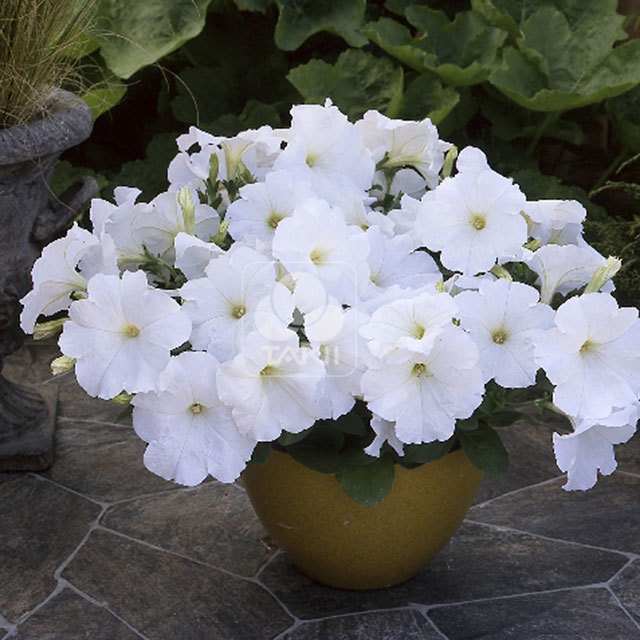
Petunia Trilogy F1 White Leggy Stems
eco Leggy Stems

Petunia Trilogy F1 White – Leggy Stems

Why does your Petunia Trilogy F1 White have leggy stems? Diagnose the cause and fix it with our step-by-step guide.

search Possible Causes

error

Insufficient Light Intensity

Petunias require full sun (at least 6 hours) to maintain compact growth; low light levels cause the plant to stretch toward the nearest light source, a process known as etiolation.

Very Common
lightbulb
How to confirm: Observe if the internodes (the distance between leaves on the stem) are unusually long and thin compared to healthy specimens.
build How to fix it
shopping_cart Recommended Products
1 Move your Petunia to a location that receives at least 6 hours of direct sunlight daily to stop the stems from stretching.
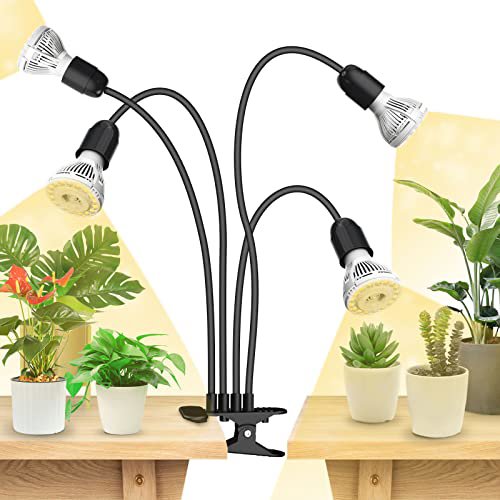
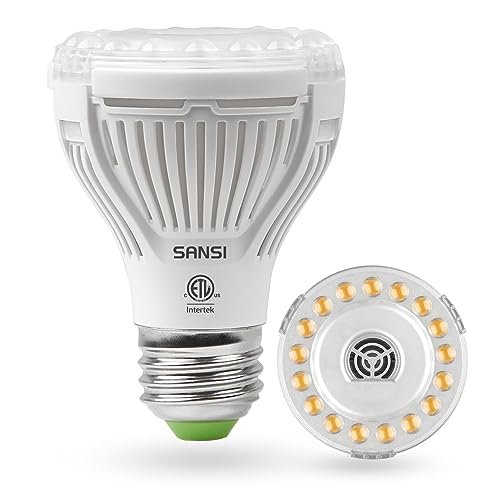
2 Supplement with a full-spectrum grow light to provide the necessary intensity for compact, bushy growth.
3 Prune the elongated, leggy stems back to encourage new, denser growth from the base.
error

Overwatering and Poor Drainage

Excessive moisture in the substrate can lead to weakened root systems, which cannot support a sturdy structure, causing the stems to lose turgidity and droop or stretch.

Very Common
lightbulb
How to confirm: Check if the soil remains saturated for long periods and feel if the base of the stems feels soft or mushy.
build How to fix it
shopping_cart Recommended Products
1 Immediately reduce watering frequency and allow the top inch of soil to dry out completely before watering again to prevent further root rot.
2 Repot the plant into a container with superior drainage and use a well-aerating medium like a mix containing perlite to ensure moisture does not stagnate.
3 Prune the elongated, weak stems to encourage bushier growth and improve airflow around the base of the plant.
warning

Nitrogen Excess

High levels of nitrogen in the fertilizer promote rapid, lush vegetative growth, which often results in weak, spindly stems that lack the structural lignin needed to stand upright.

Common
lightbulb
How to confirm: Review your recent fertilization schedule to see if you have used a high-nitrogen organic or synthetic fertilizer recently.
build How to fix it
shopping_cart Recommended Products
1 Flush the soil with plenty of fresh, plain water to leach out excess nitrogen from the root zone.
2 Prune back the long, spindly stems to encourage bushier, more compact growth and structural strength.
3 Switch to a fertilizer with a lower nitrogen ratio or a balanced formula to support stem stability.
warning

Temperature Fluctuations

Extremely warm night temperatures can accelerate metabolic rates, leading to rapid cell elongation and resulting in leggy, weak growth in Petunia Trilogy varieties.

Common
lightbulb
How to confirm: Check if the plant has been kept in an environment where nighttime temperatures significantly exceed 70°F (21°C).
build How to fix it
shopping_cart Recommended Products
1 Stabilize the plant's environment by moving it to a location with more consistent temperatures, avoiding areas prone to extreme night heat.
2 Provide supplemental lighting to encourage more compact, sturdy growth and counteract the effects of rapid cell elongation.
3 Prune back the elongated, weak stems to stimulate new, denser growth from the base of the plant.
local_hospital All symptoms eco All plants with leggy stems
favorite