Petunia x hybrida Leggy Stems
eco Leggy Stems

Petunia x hybrida – Leggy Stems

Why does your Petunia x hybrida have leggy stems? Diagnose the cause and fix it with our step-by-step guide.

pets Pet Friendly

search Possible Causes

error

Insufficient Light Exposure

Petunias are sun-loving plants that require at least 6 hours of direct sunlight daily. When light is low, the plant undergoes etiolation, stretching its stems rapidly to search for a light source.

Very Common
lightbulb
How to confirm: Observe if the stems are pale and thin, and check if the plant is located in a shaded area or under insufficient grow lights.
build How to fix it
shopping_cart Recommended Products
1 Move your petunia to a location that receives at least 6 to 8 hours of direct sunlight daily to stop the stems from stretching.
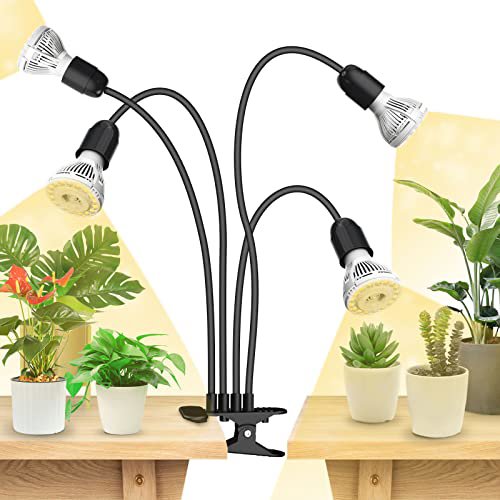
2 Supplement with a full-spectrum grow light to provide the necessary intensity for compact, healthy growth.
3 Prune the leggy, stretched stems back to encourage bushier growth and more abundant flowering.
error

Overwatering and Poor Drainage

Excessive moisture in the substrate leads to oxygen depletion in the root zone, weakening the structural integrity of the stems. This results in soft, spindly growth that lacks the turgor pressure to stand upright.

Very Common
lightbulb
How to confirm: Press your finger into the soil to see if it remains saturated for long periods or if the pot lacks drainage holes.
build How to fix it
shopping_cart Recommended Products
1 Immediately reduce watering frequency and allow the top inch of soil to dry out completely before watering again to prevent further root suffocation.
2 Repot the petunia into a container with superior drainage, such as a Root & Vessel cylinder pot, and use a well-aerated medium like a mix containing perlite to improve oxygen flow to the roots.
3 Prune the soft, spindly stems back to encourage bushier, more robust growth and improve airflow around the base of the plant.
warning

Nitrogen-Rich Over-Fertilization

An imbalance in fertilizer, specifically an excess of nitrogen, promotes rapid vegetative growth at the expense of sturdy stem development. This results in lush, green foliage but weak, elongated stems that cannot support their own weight.

Common
lightbulb
How to confirm: Review your recent fertilization schedule to see if you have used a high-nitrogen liquid fertilizer frequently.
build How to fix it
shopping_cart Recommended Products
1 Flush the soil with plenty of fresh water to leach out excess nitrogen salts from the root zone.
2 Prune back the elongated, weak stems to encourage bushier, more compact growth and stronger stem development.
3 Transition to a balanced or low-nitrogen fertilizer to restore structural strength to the plant.
warning

Temperature Extremes

Excessively high nighttime temperatures can accelerate metabolic rates in Petunias, causing them to grow too quickly for the cell walls to thicken. This rapid growth results in elongated, weak internodes.

Common
lightbulb
How to confirm: Check if the plant is located near a heat source or if recent summer heatwaves have coincided with the stretching of stems.
build How to fix it
shopping_cart Recommended Products
1 Move the plant to a more stable environment with cooler nighttime temperatures to slow metabolic growth and allow cell walls to strengthen.
2 Prune back the elongated, weak stems to encourage bushier, more compact growth and improve structural integrity.
3 Apply a balanced fertilizer to support healthy cell development and strengthen the plant's structure.
local_hospital All symptoms eco All plants with leggy stems
favorite