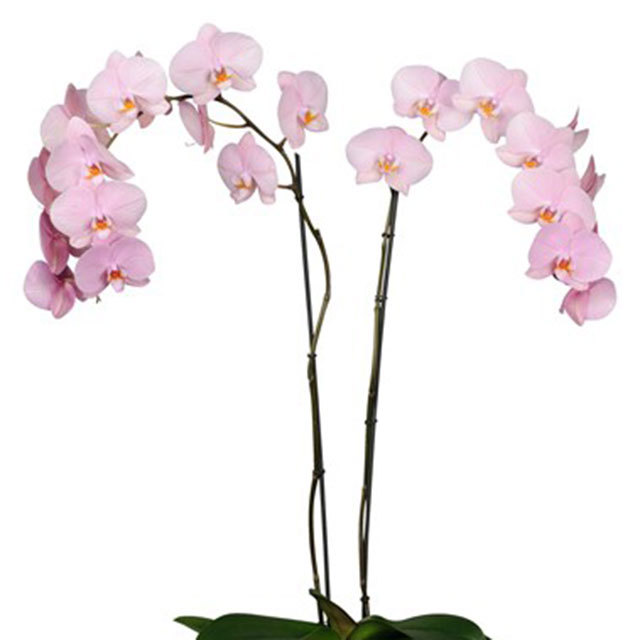
Phalaenopsis Akita Drooping Leaves
eco Drooping Leaves

Phalaenopsis Akita – Drooping Leaves

Why does your Phalaenopsis Akita have drooping leaves? Diagnose the cause and fix it with our step-by-step guide.

pets Pet Friendly

search Possible Causes

error

Underwatering and Dehydration

Phalaenopsis orchids rely on turgor pressure within their succulent leaves to remain upright; when the potting medium is too dry for too long, cells lose water, causing visible drooping.

Very Common
lightbulb
How to confirm: Check if the orchid roots are silvery-grey rather than plump and green; if they are grey, the plant needs hydration.
build How to fix it
shopping_cart Recommended Products
1 Immediately soak the orchid's potting medium in water for 15-20 minutes to rehydrate the roots and restore turgor pressure.
2 Monitor the hydration levels of the medium using a moisture meter to ensure the substrate stays consistently moist but not waterlogged.
3 Repot the orchid in a fresh, moisture-retentive medium like orchid bark to provide more stable hydration for the roots.
error

Root Rot (Overwatering)

Excessive moisture in the bark or moss substrate deprives roots of oxygen, leading to decay that prevents the orchid from absorbing water even when the medium is wet.

Very Common
lightbulb
How to confirm: Gently lift the plant from its pot and inspect if the roots are black, slimy, or hollow instead of firm and green.
build How to fix it
shopping_cart Recommended Products
1 Immediately remove the orchid from its current medium and inspect the roots; trim away any mushy, black, or foul-smelling roots using sterilized shears.
2 Repot the orchid in a fresh, well-draining substrate specifically designed for epiphytic orchids to ensure proper aeration and prevent future rot.
3 Use a moisture meter to monitor the substrate, ensuring you only water when the medium has significantly dried out to avoid repeat overwatering.
warning

Temperature Shock

Phalaenopsis are tropical plants; exposure to sudden cold drafts or temperatures below 60°F (15°C) can cause physiological stress and loss of leaf rigidity.

Common
lightbulb
How to confirm: Observe if the drooping coincided with moving the plant near a window, air conditioner vent, or during a cold night.
build How to fix it
shopping_cart Recommended Products
1 Immediately move the orchid to a stable, warm environment away from cold drafts, windows, or air conditioning vents to stabilize the temperature.
2 Monitor the soil moisture levels closely using a moisture meter to ensure the plant is not also suffering from dehydration during this period of stress.
3 Provide supplemental warmth and consistent light if the environment is dim, using a full-spectrum grow light to aid recovery.
warning

Nutrient Deficiency (Nitrogen)

A lack of essential macronutrients like nitrogen can weaken the structural integrity of the leaf cells in Phalaenopsis, leading to a loss of vigor and drooping.

Common
lightbulb
How to confirm: Check if the leaves are also turning a pale, yellowish-green color in addition to the drooping symptom.
build How to fix it
shopping_cart Recommended Products
1 Apply a balanced liquid fertilizer to provide immediate nitrogen uptake and restore leaf structural integrity.
2 Refresh the potting medium with orchid-specific bark to ensure the roots have access to fresh nutrients and optimal aeration.
3 Monitor the soil moisture levels using an analog meter to ensure nitrogen-rich water is reaching the roots without causing rot.

Other Phalaenopsis Akita problems

Your plant might also be experiencing one of these issues:

local_hospital All symptoms eco All plants with drooping leaves
favorite